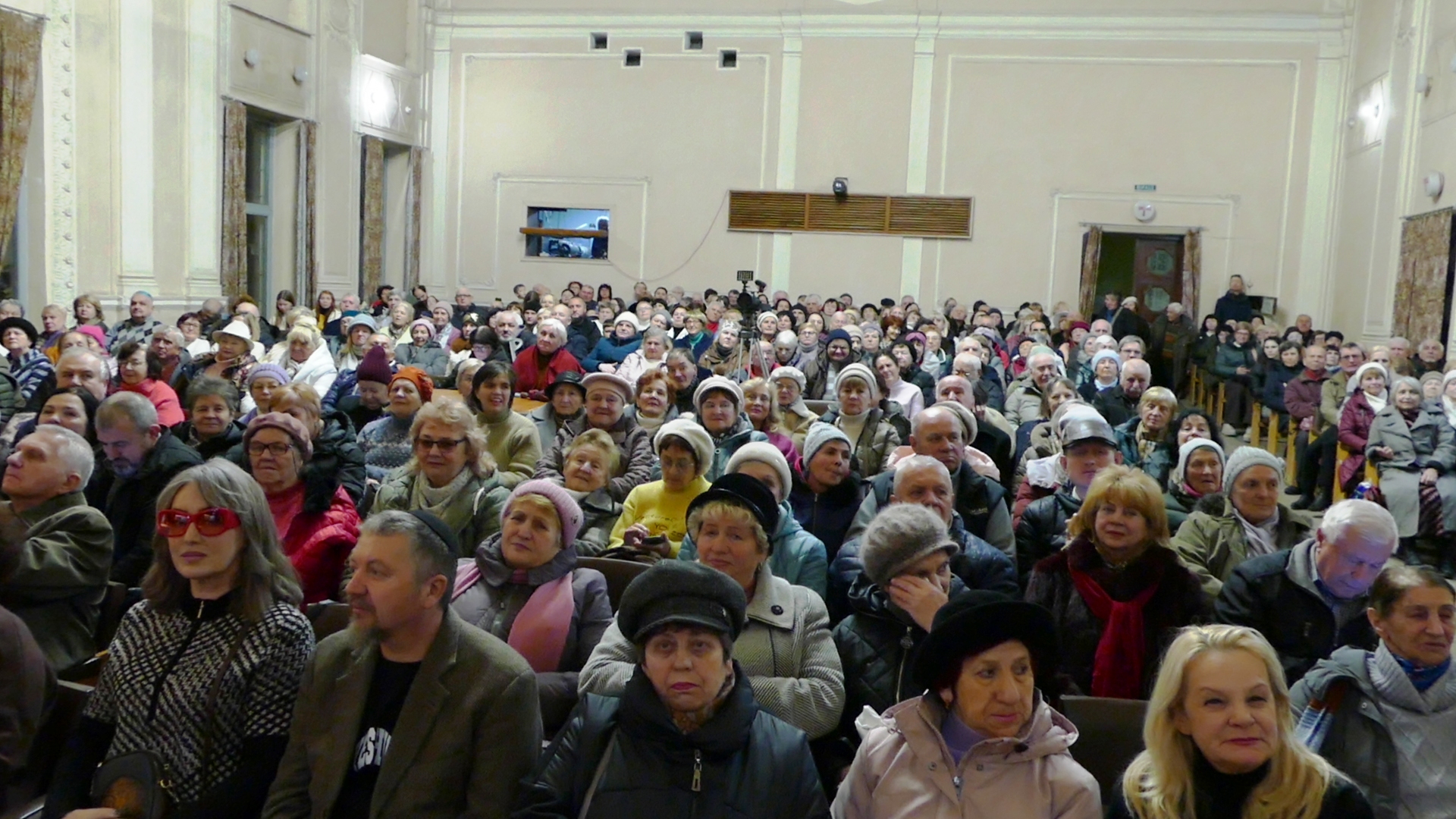
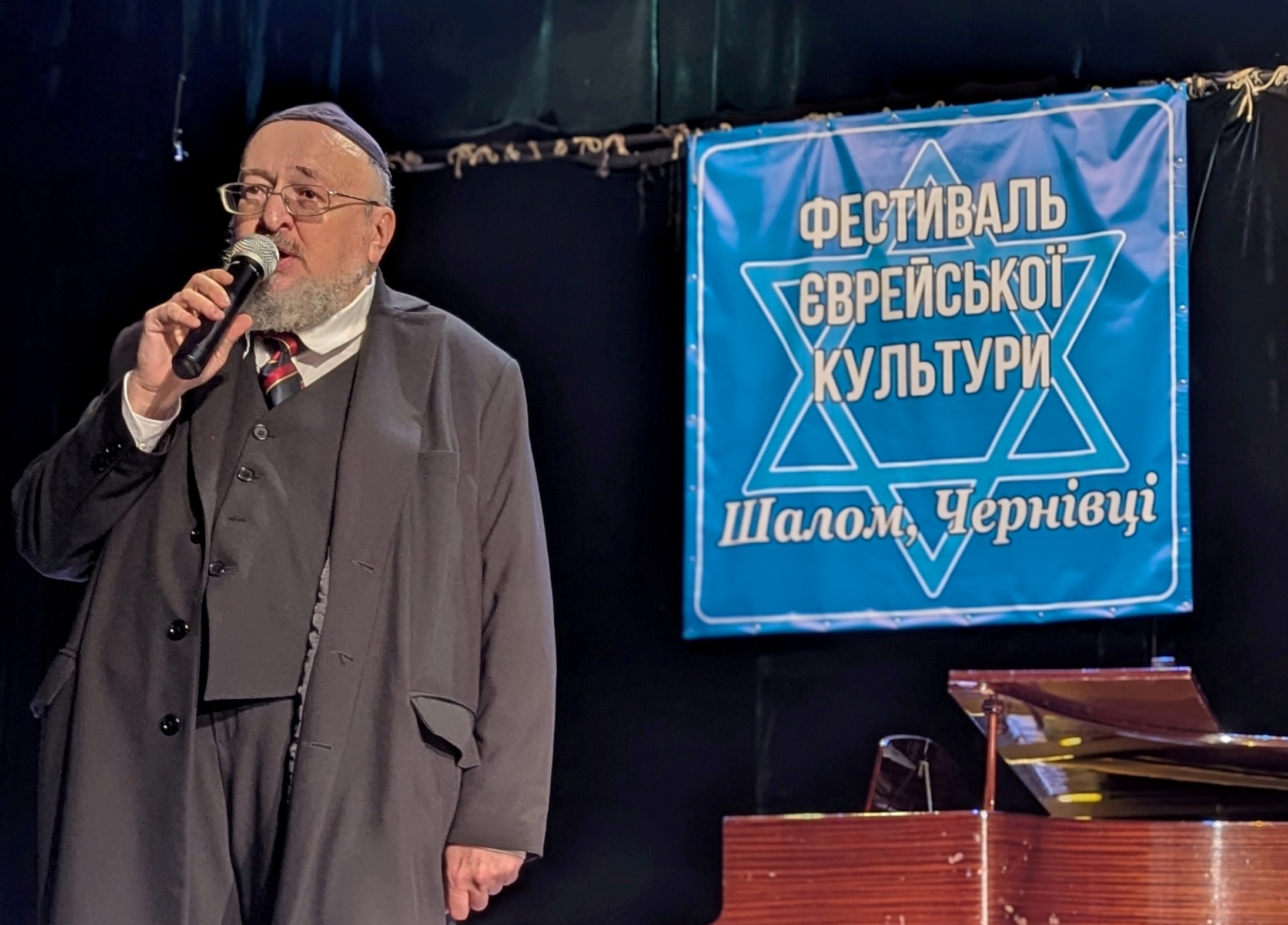
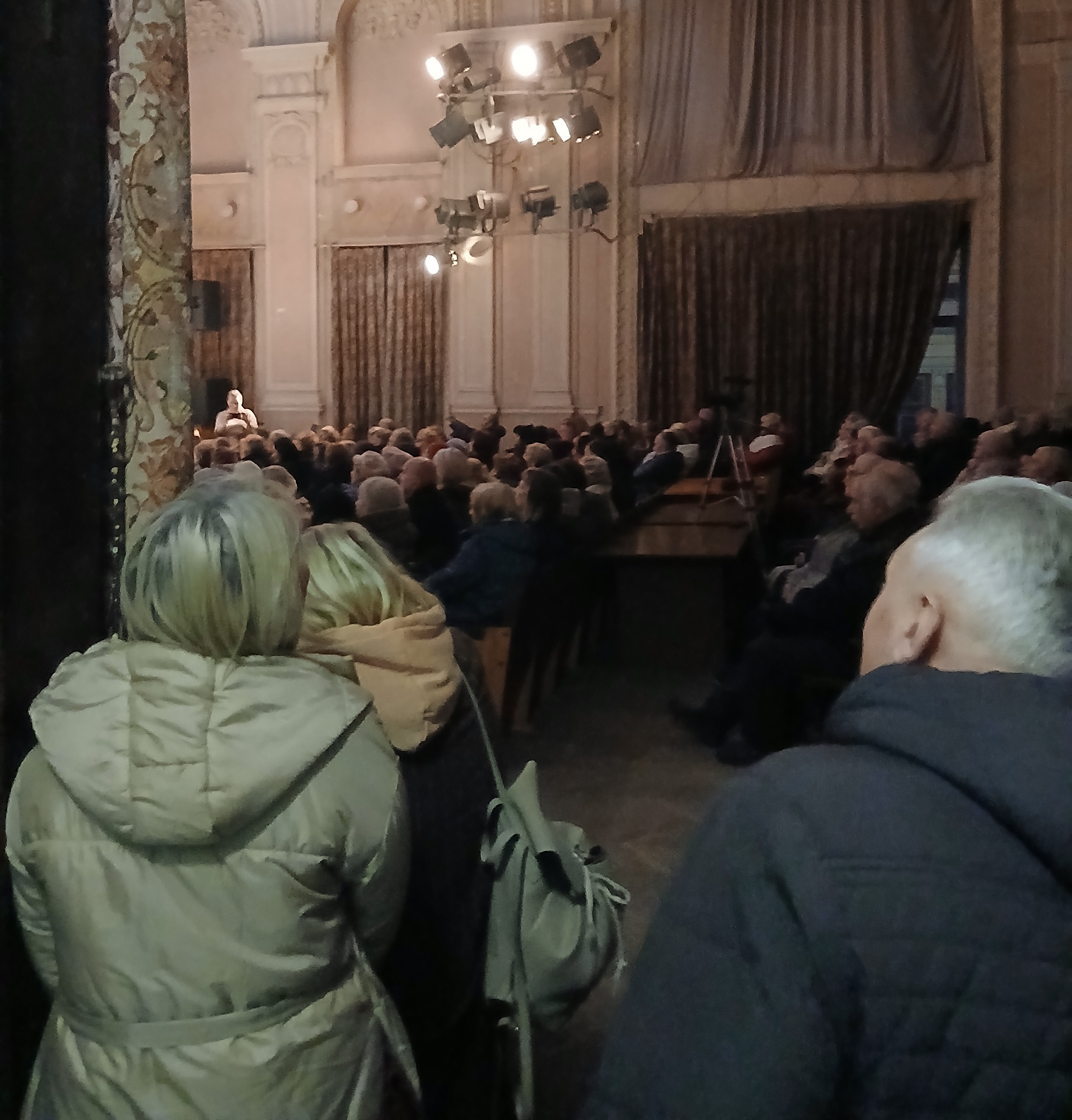
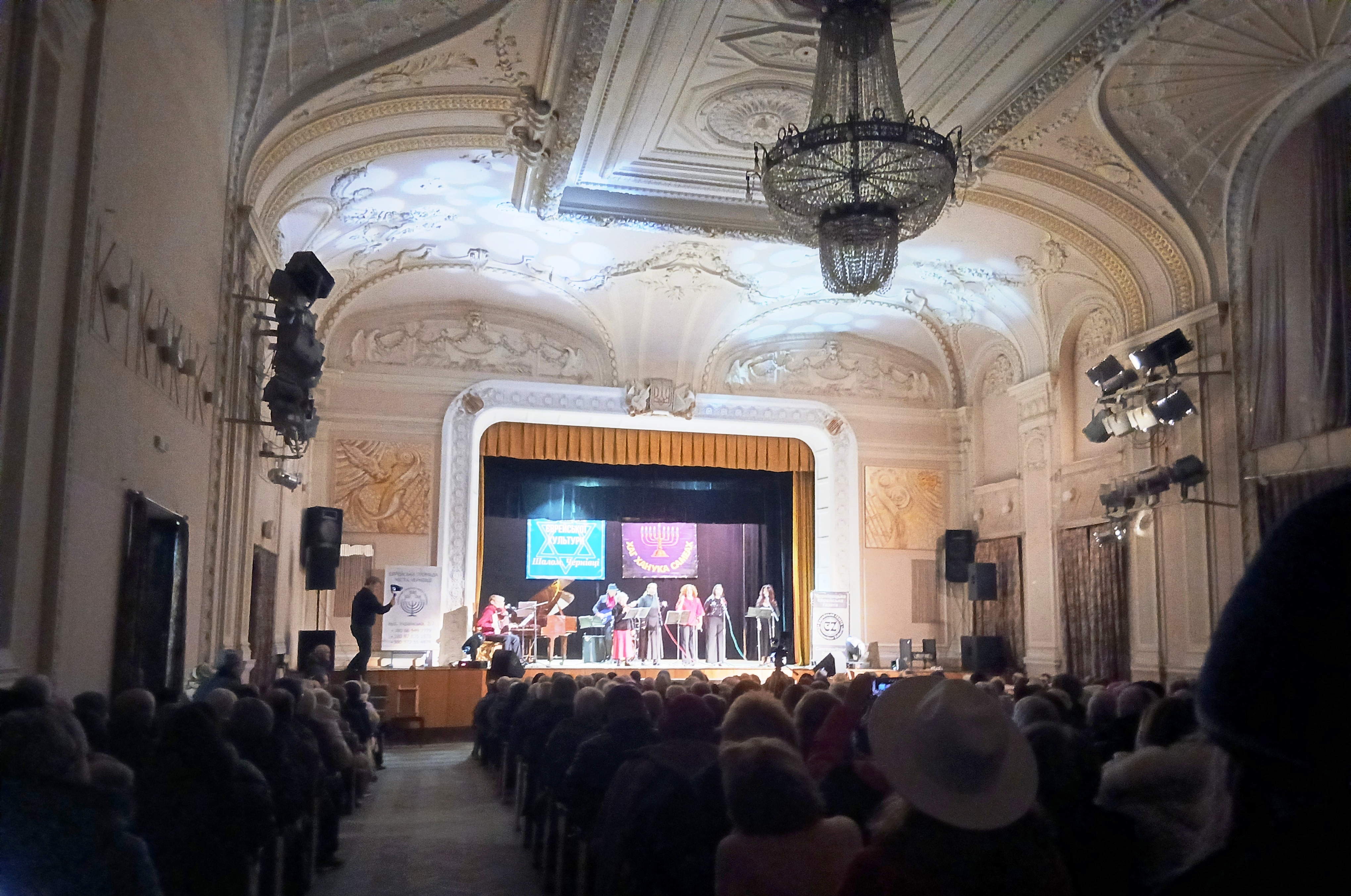
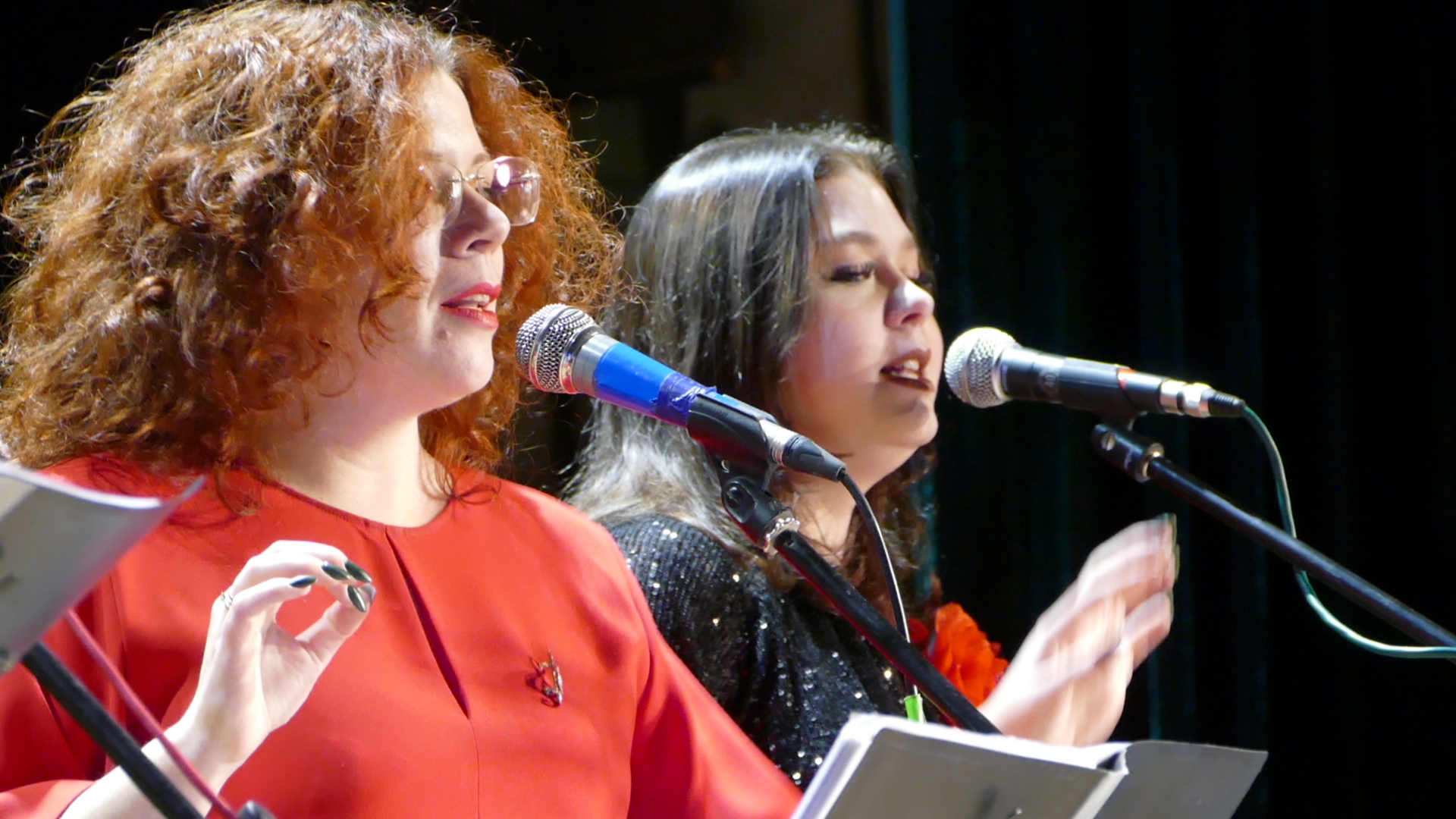
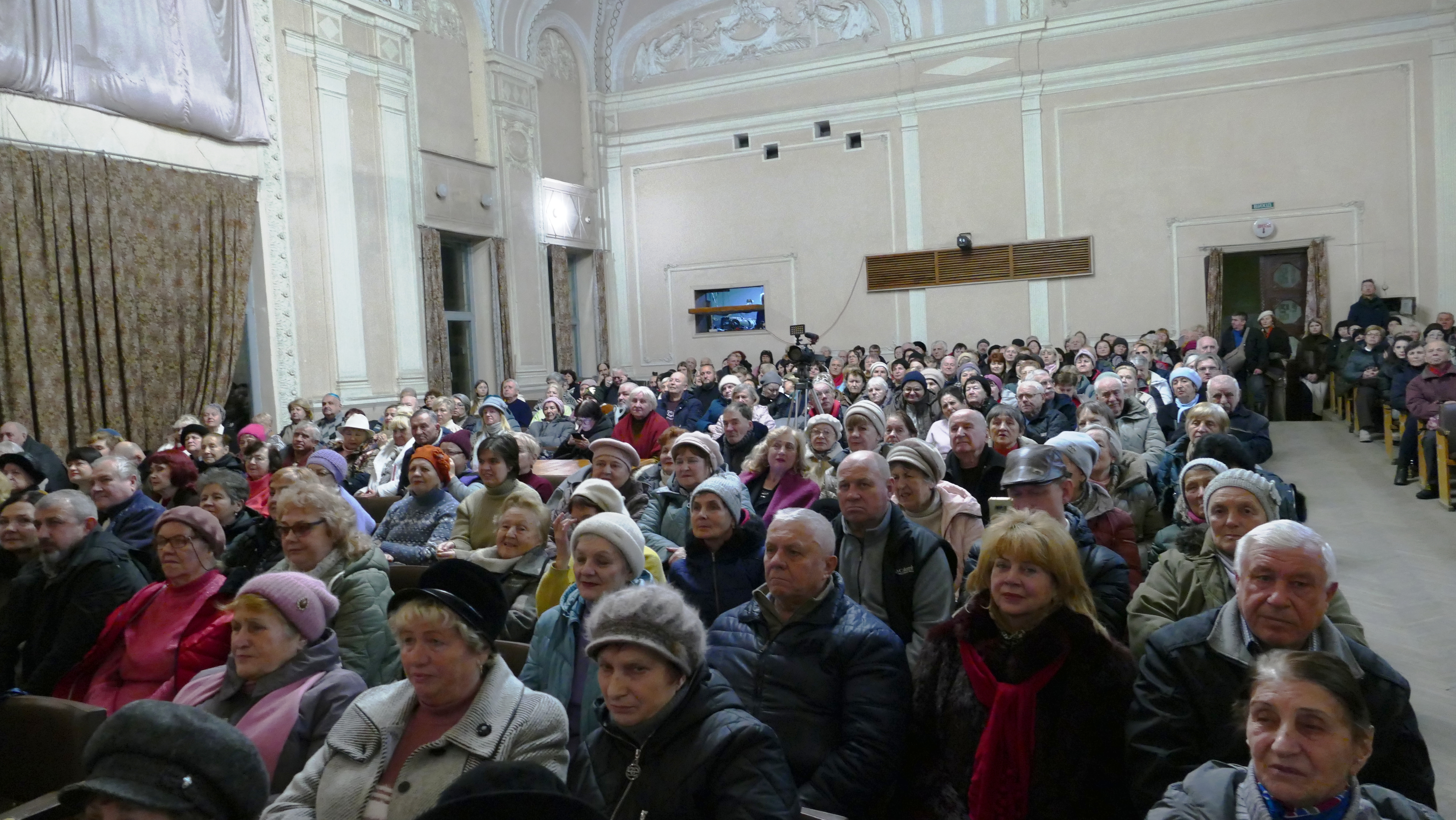
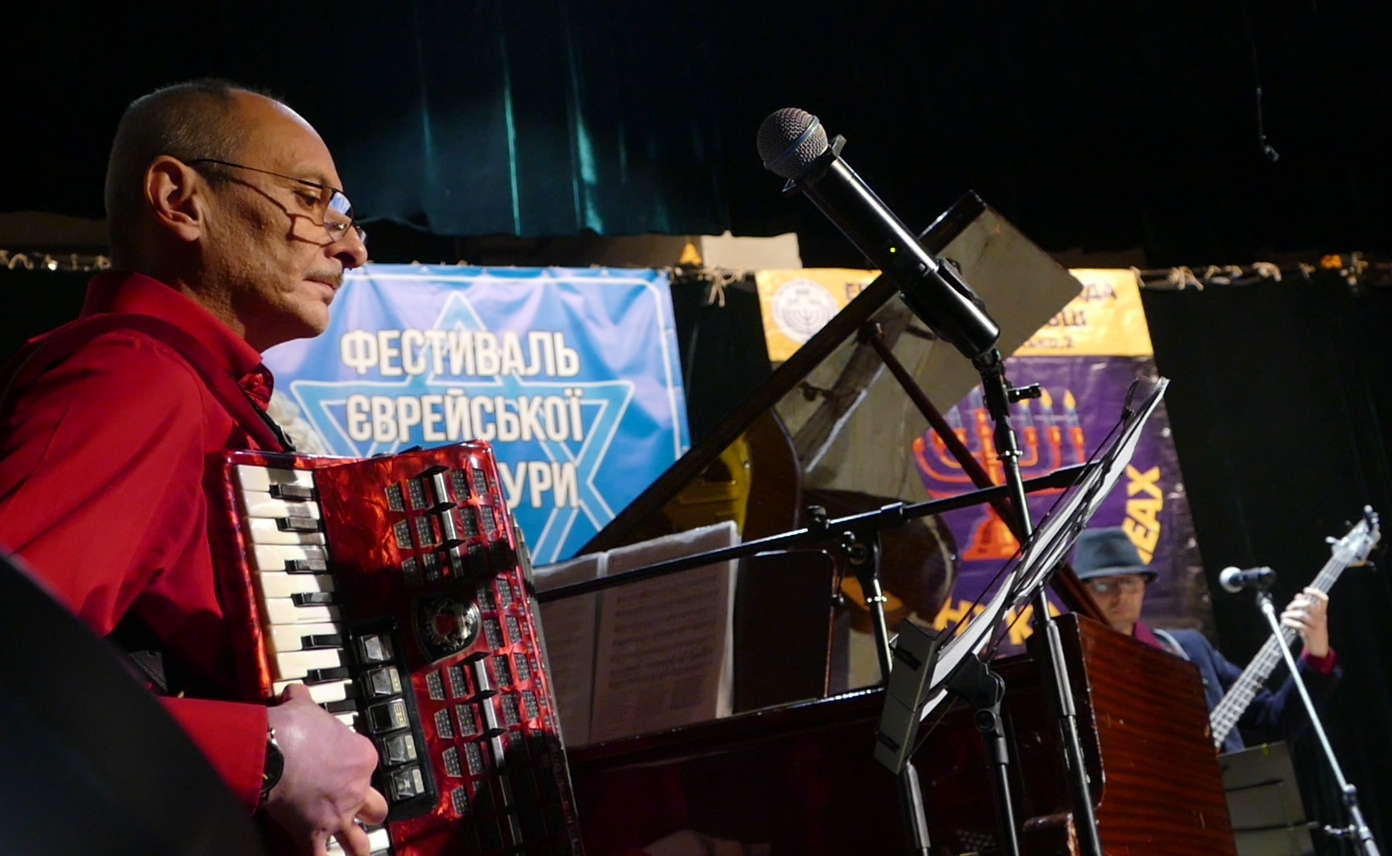
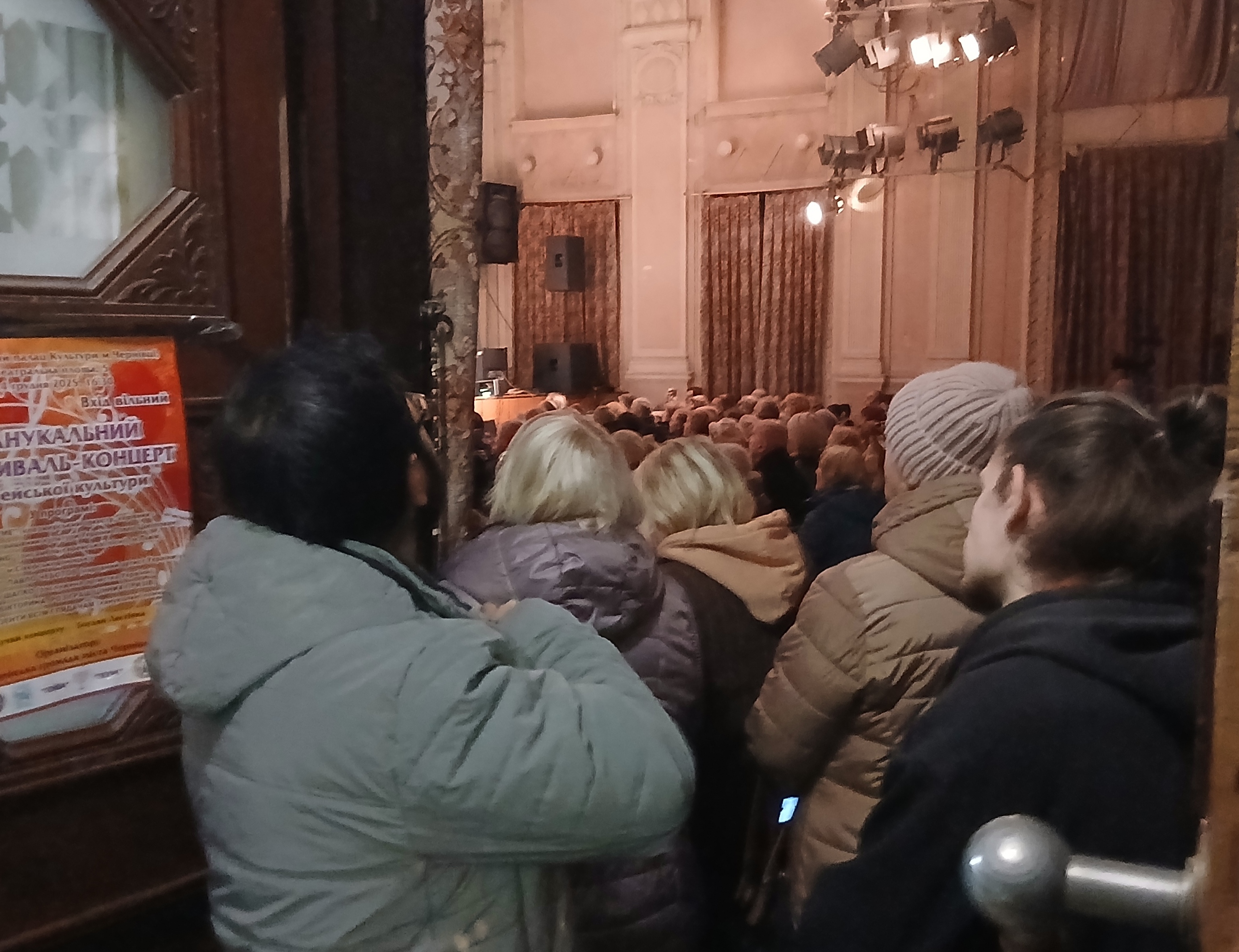
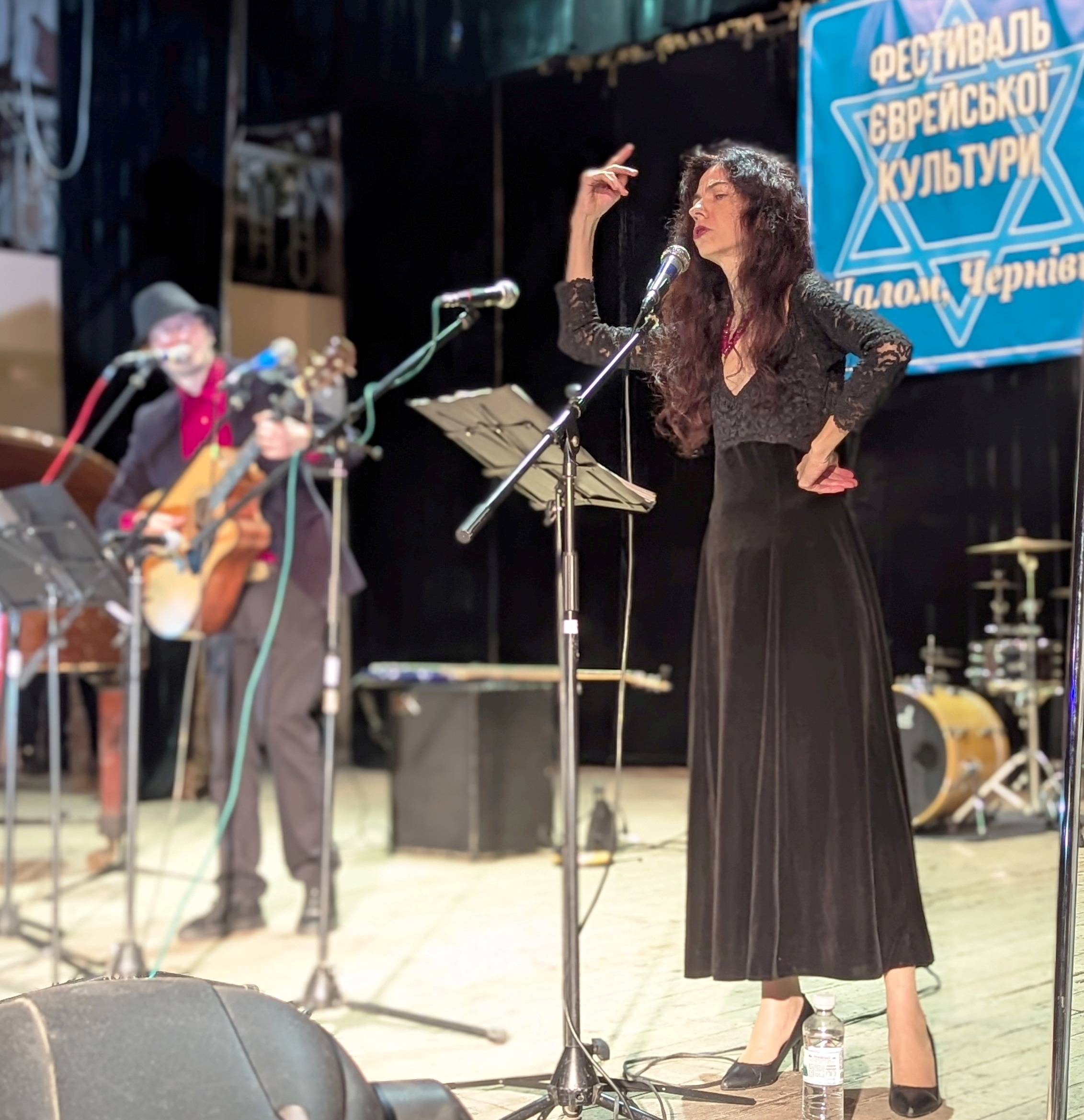
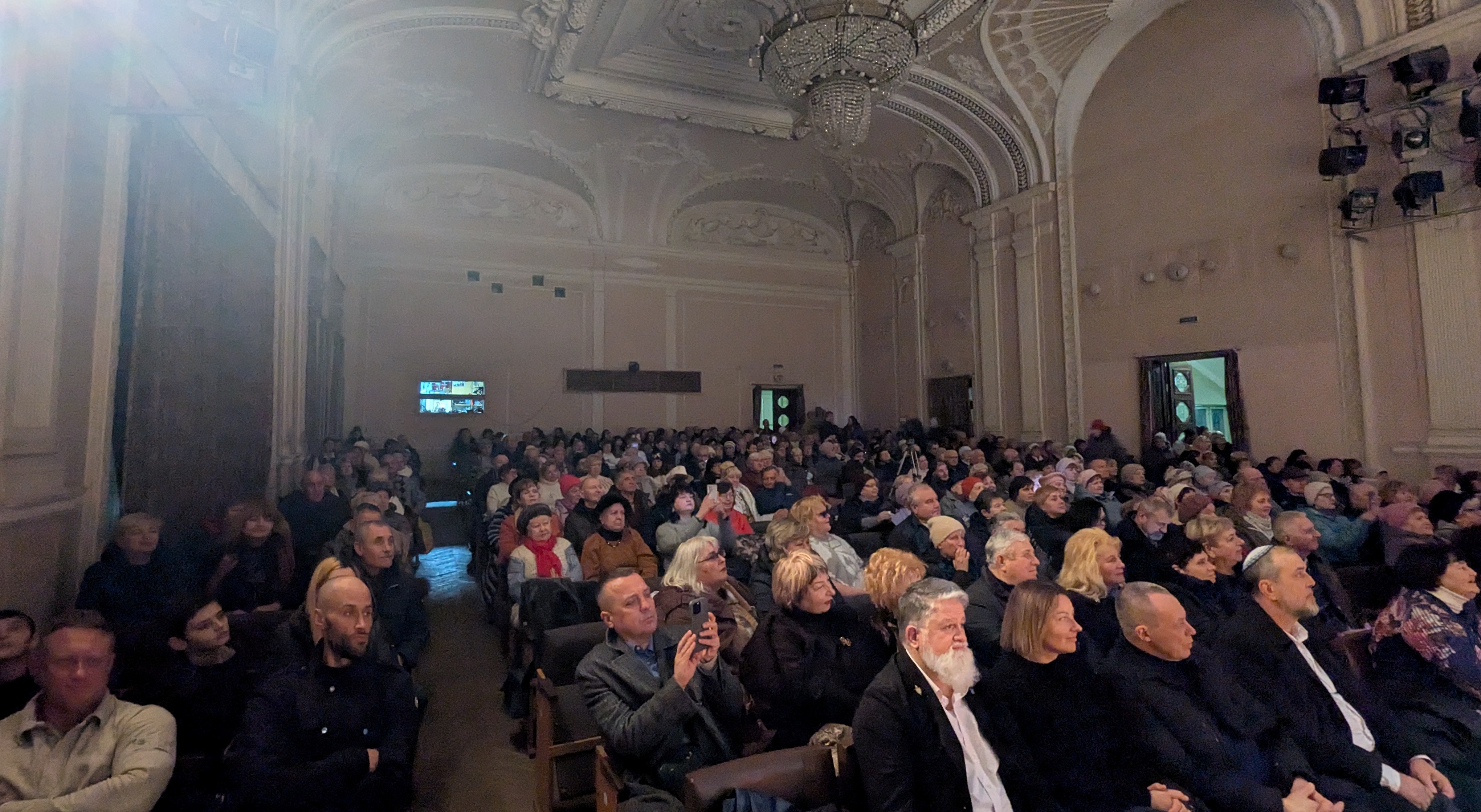
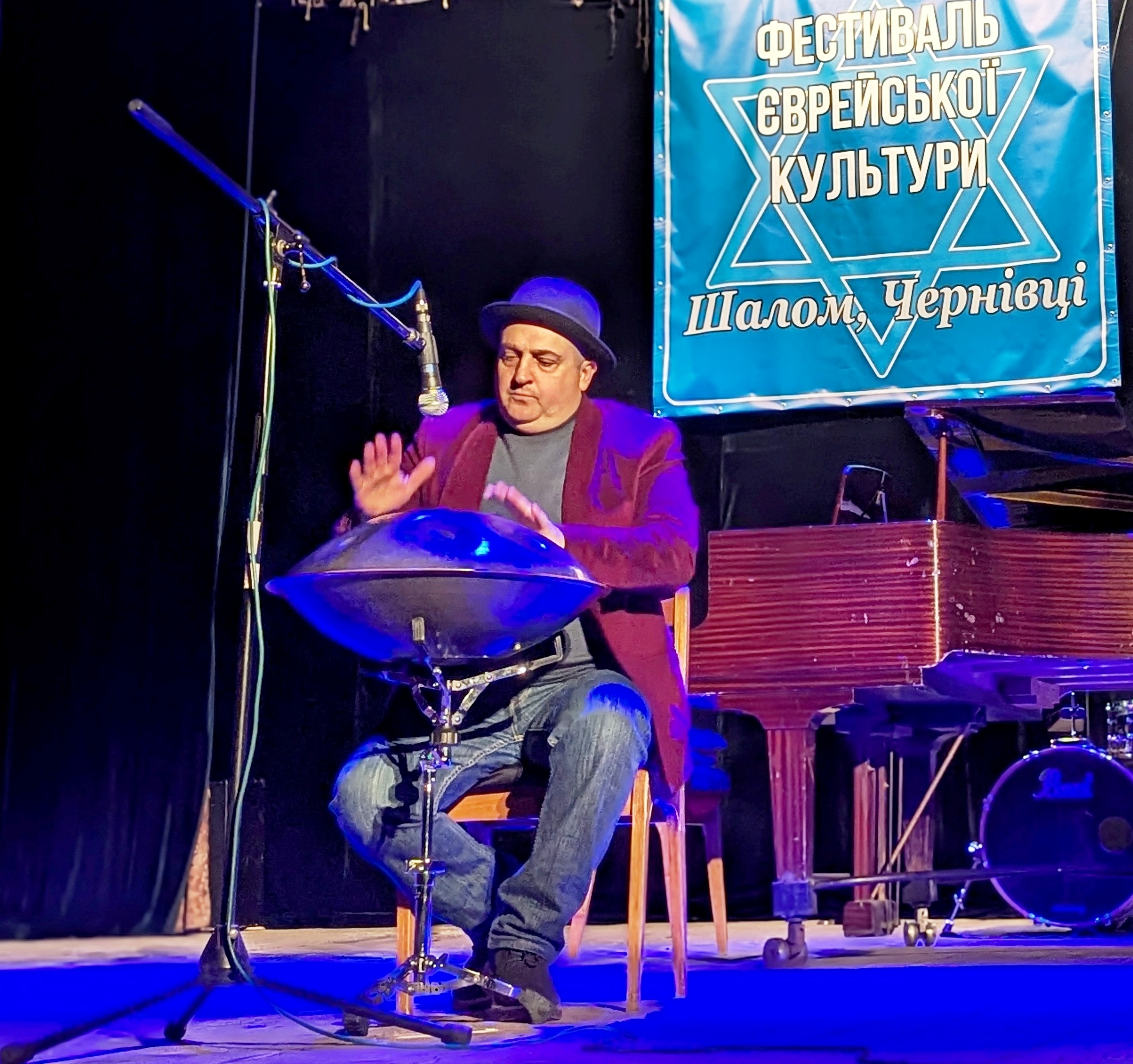
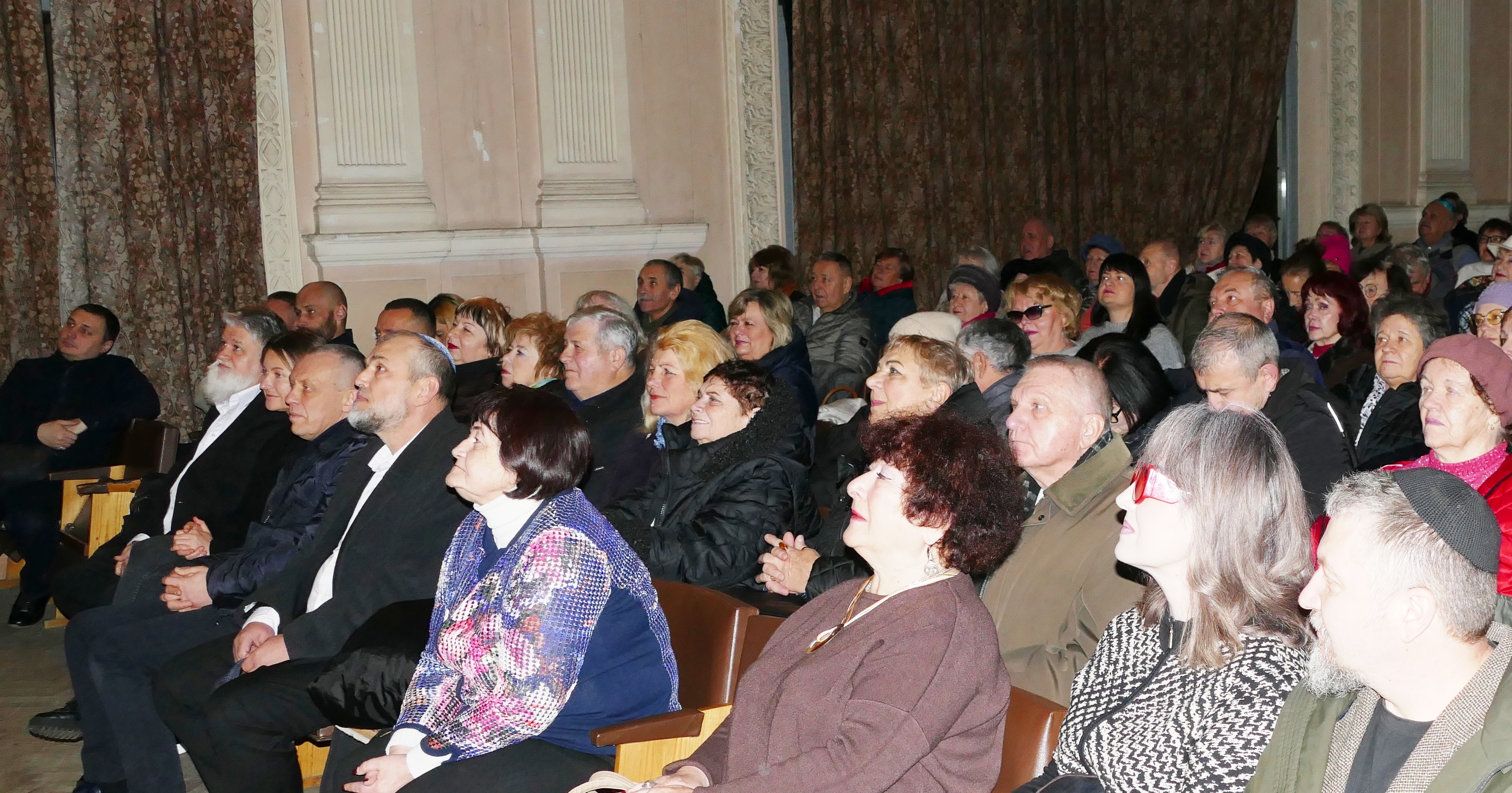
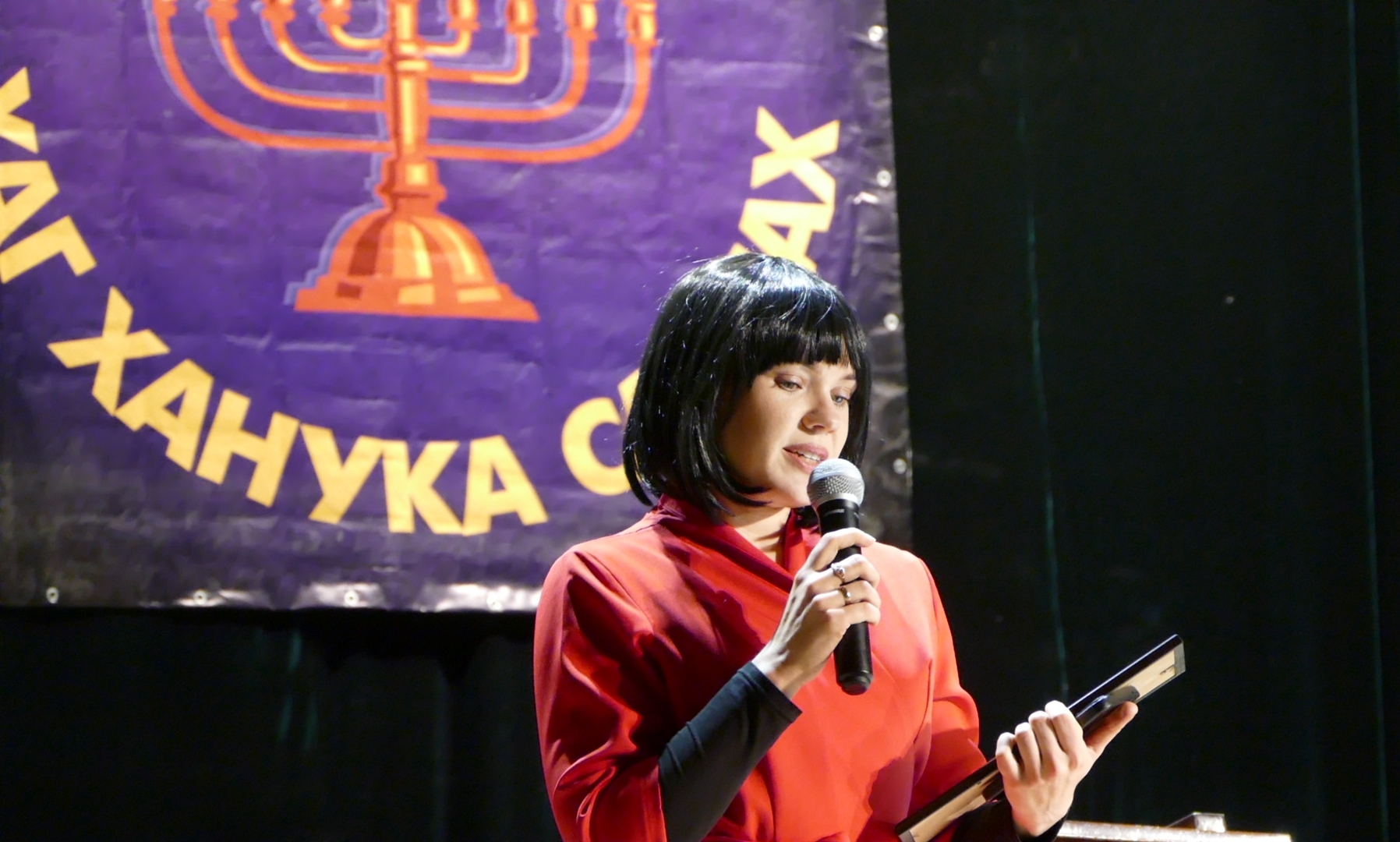
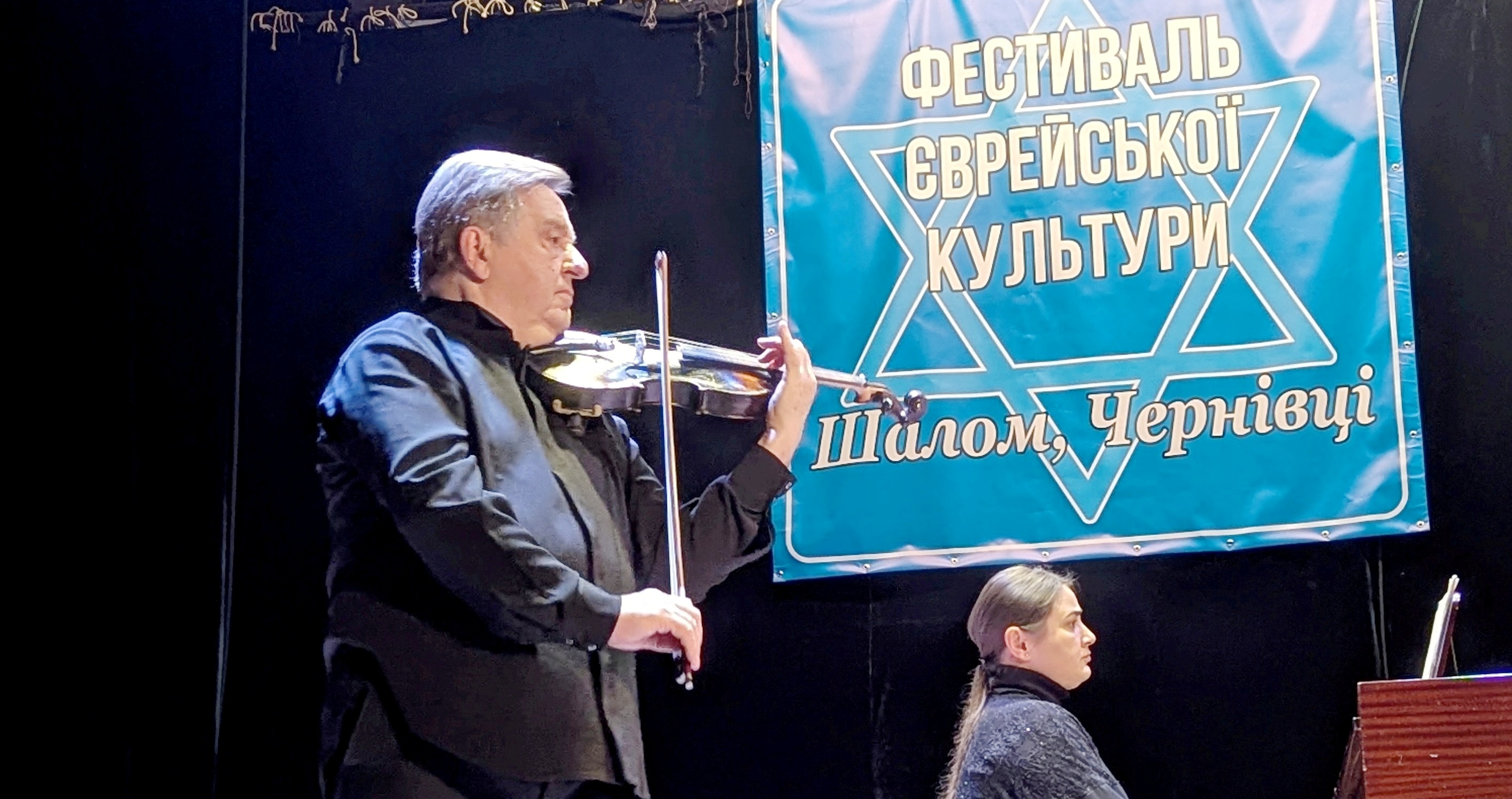
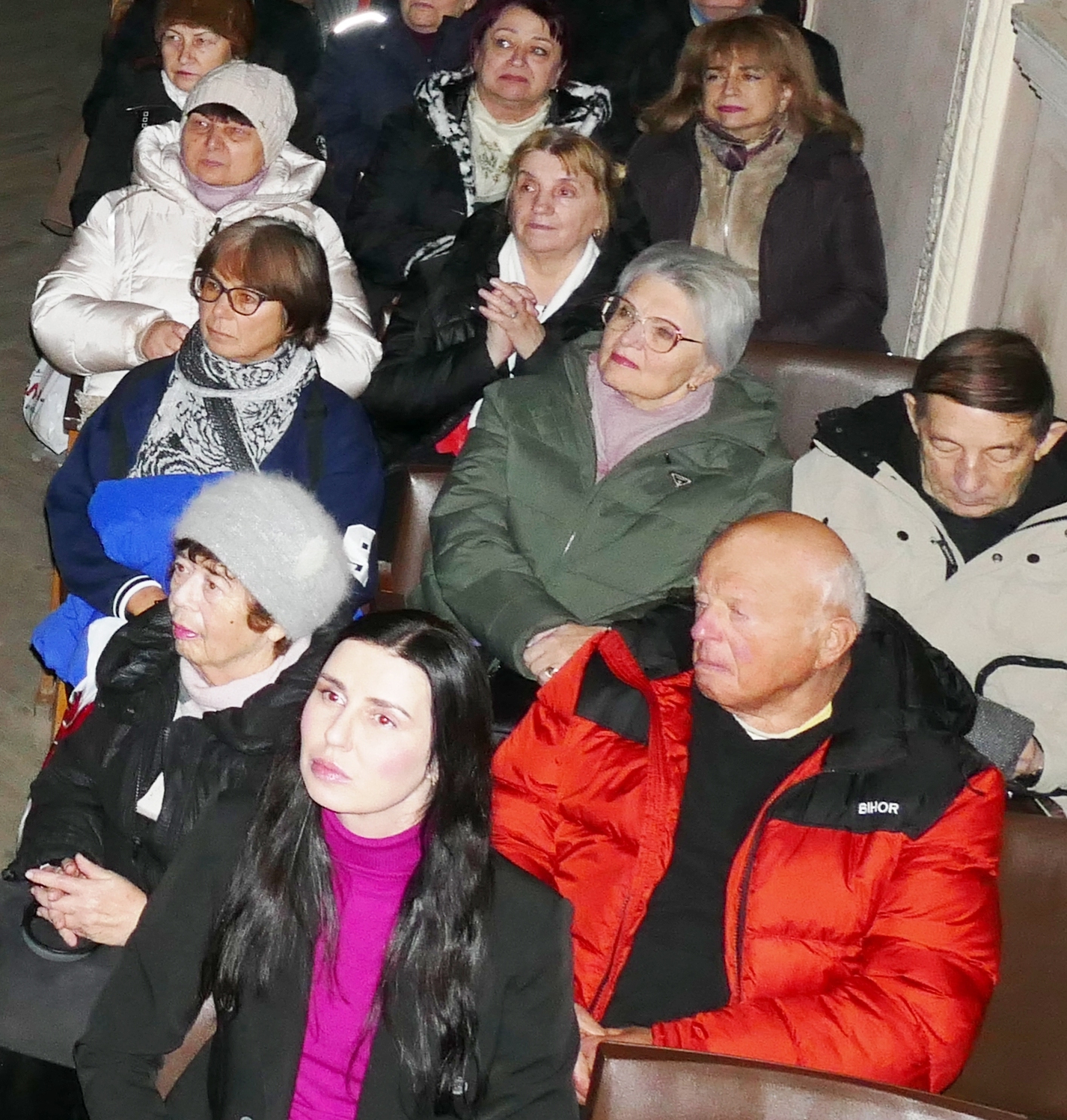
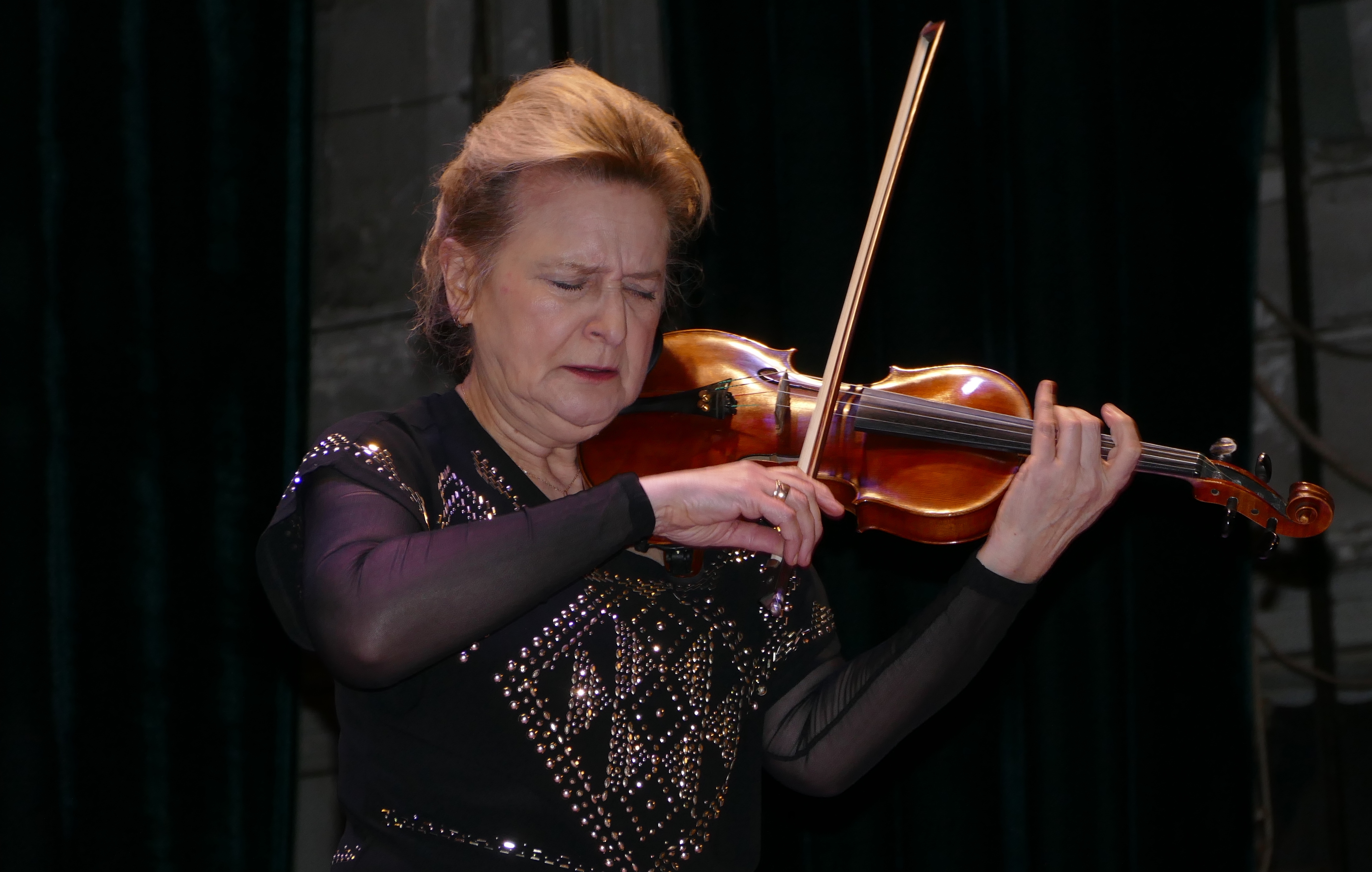
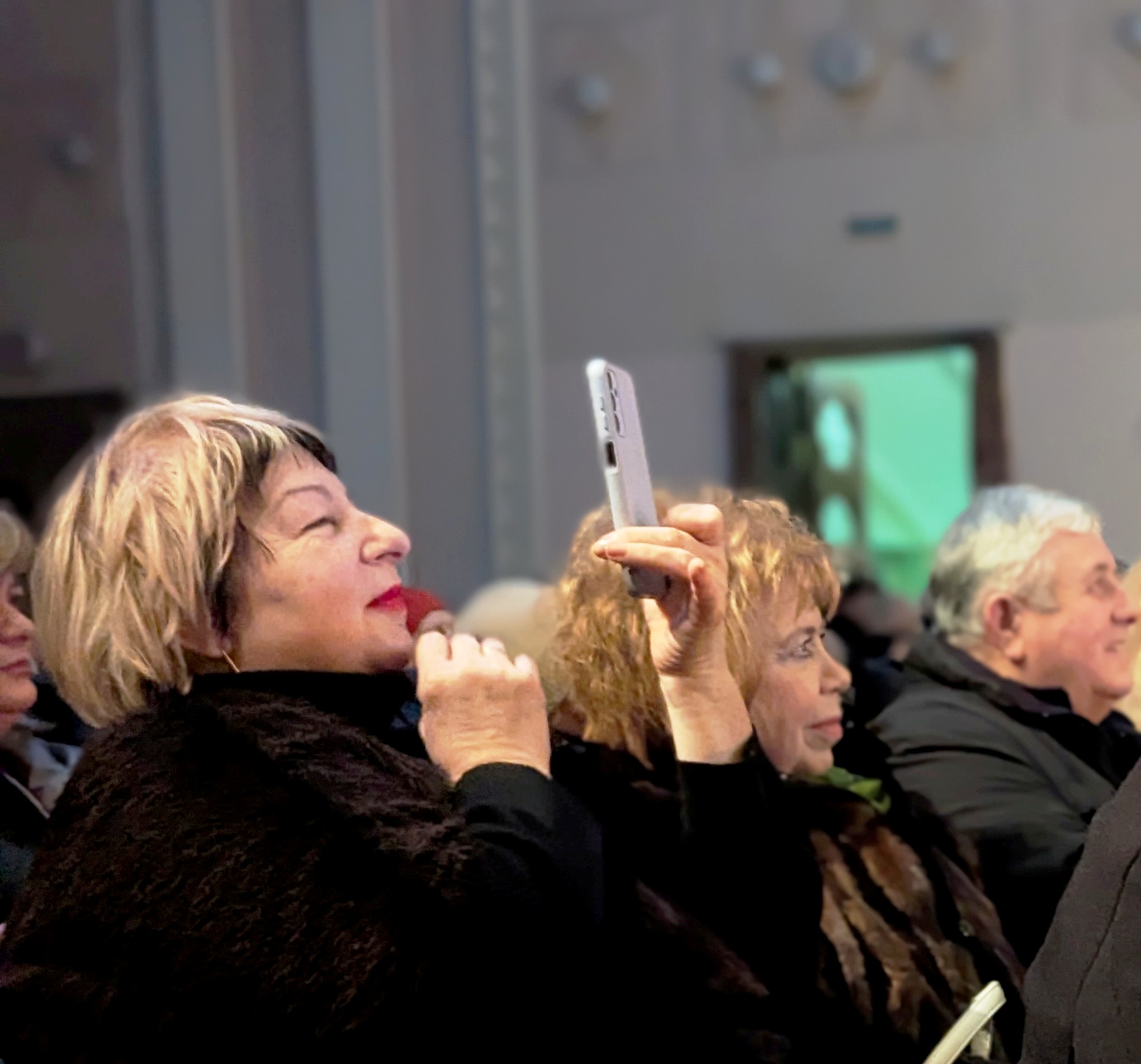
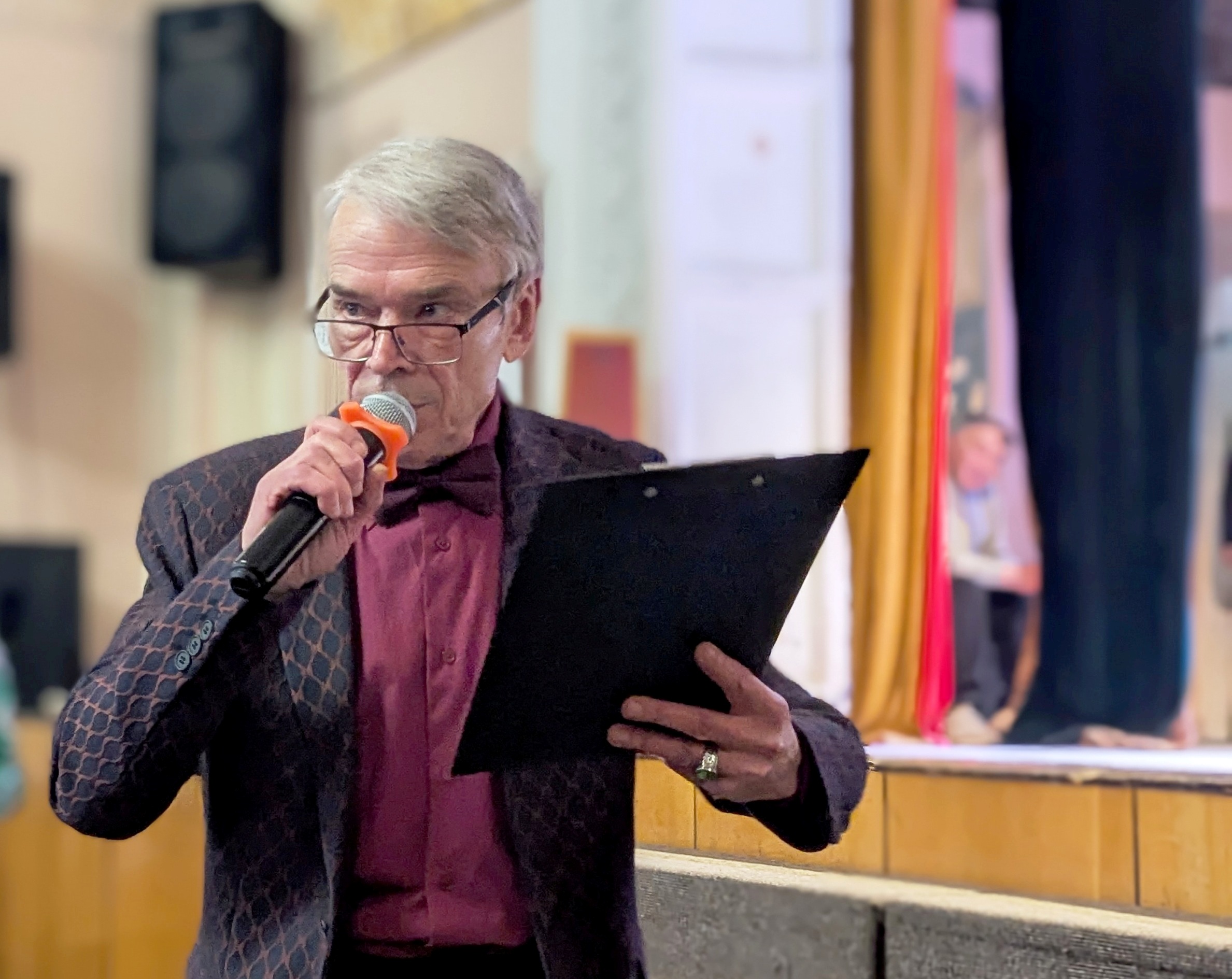
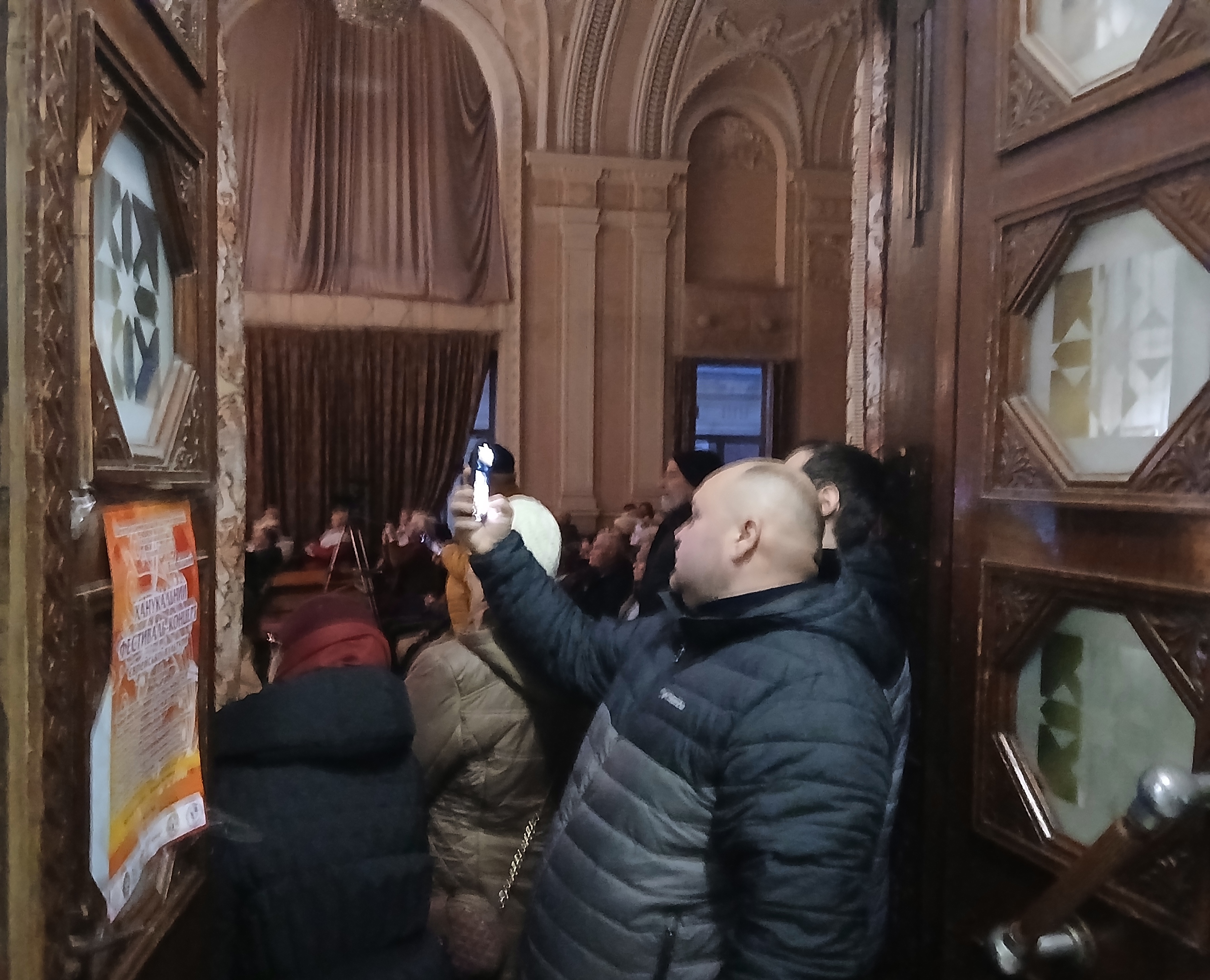
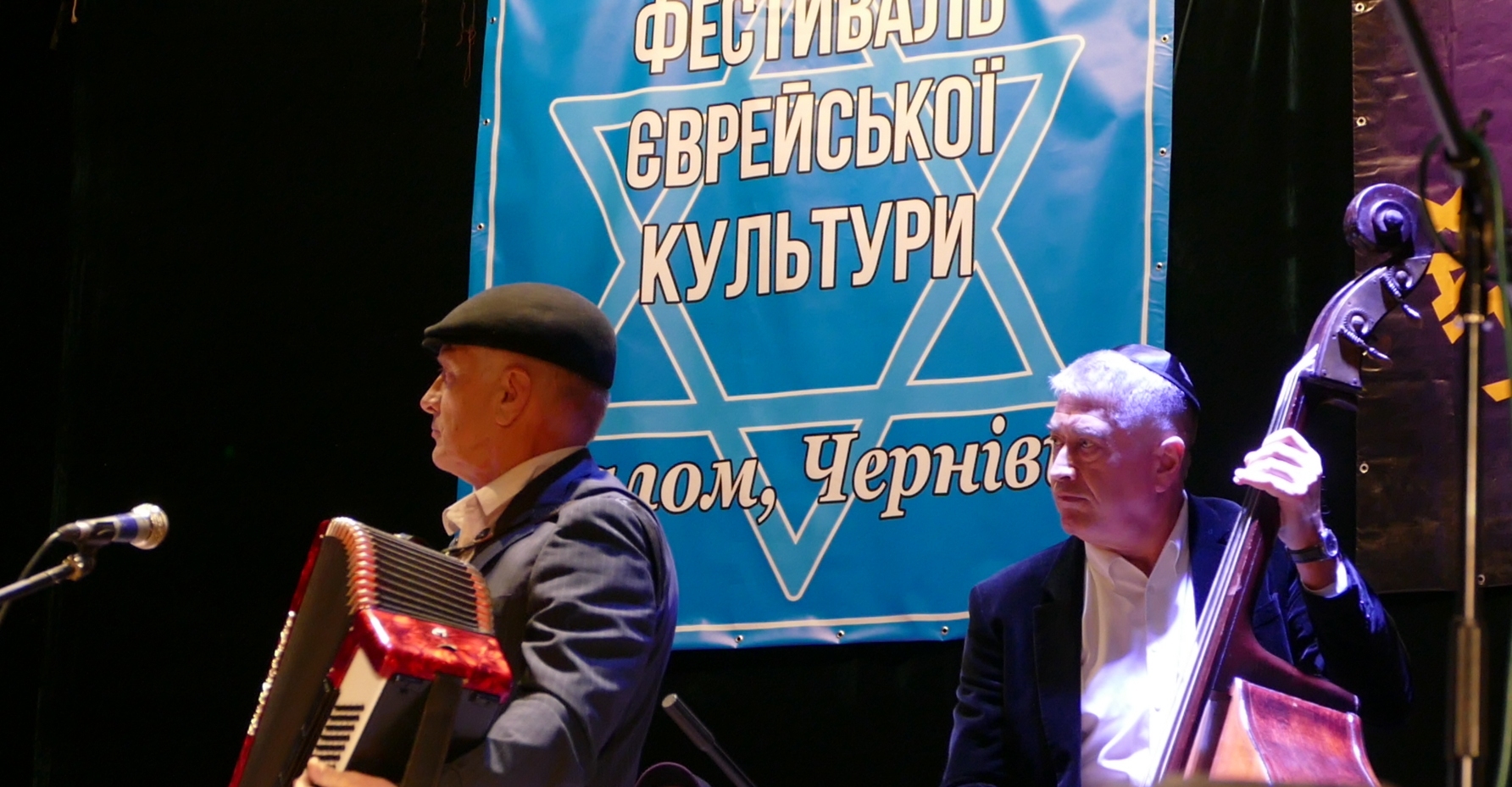
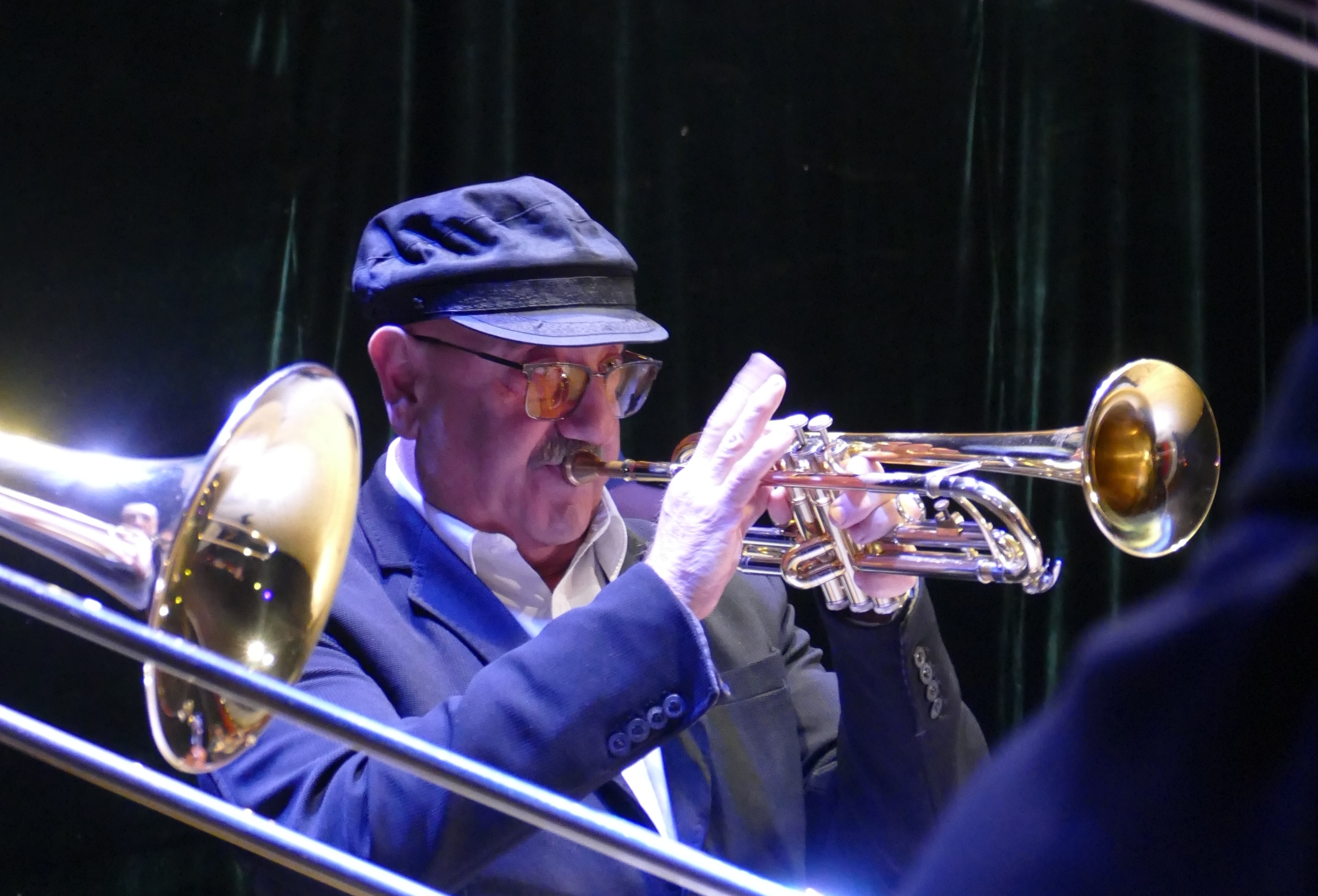
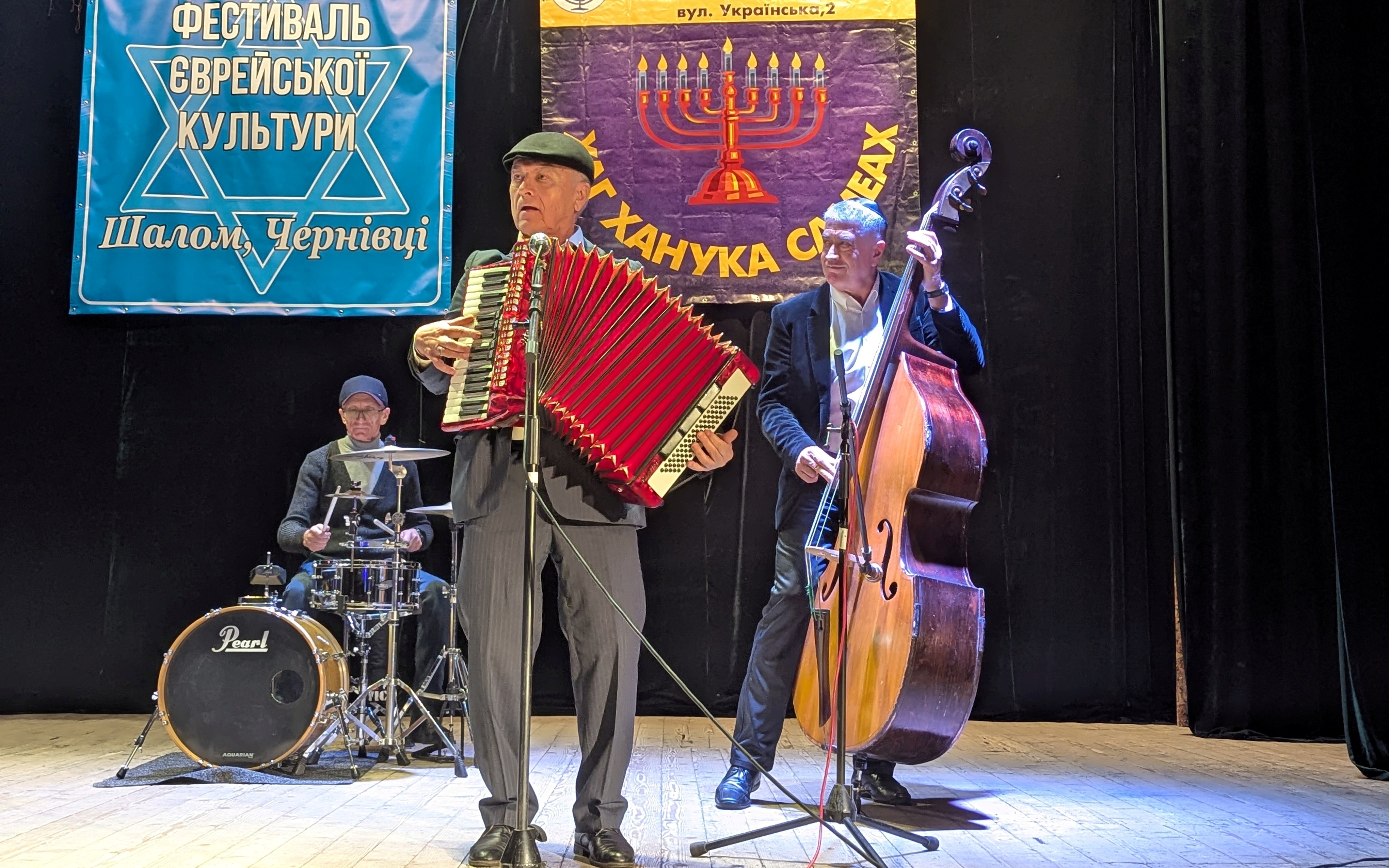
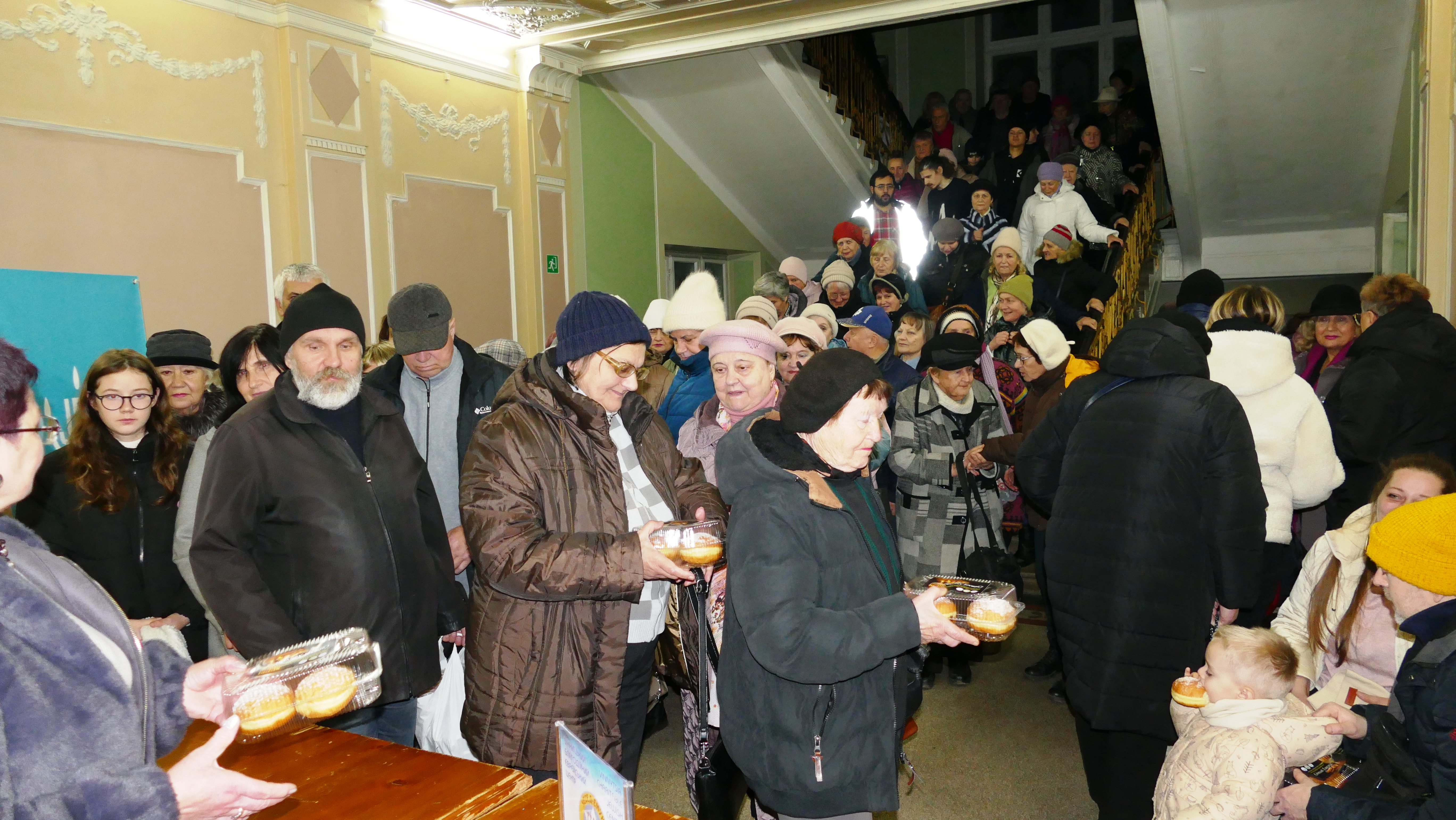
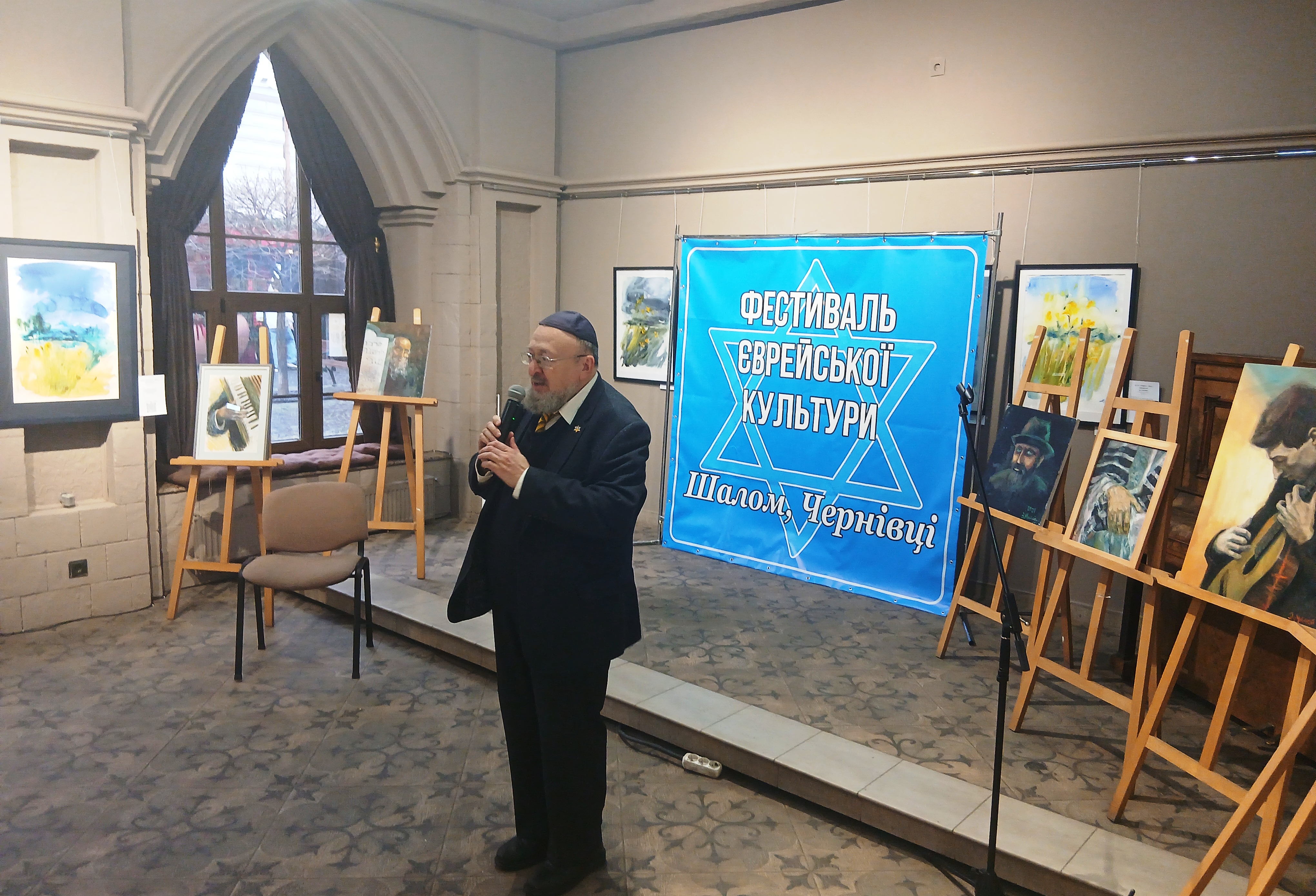
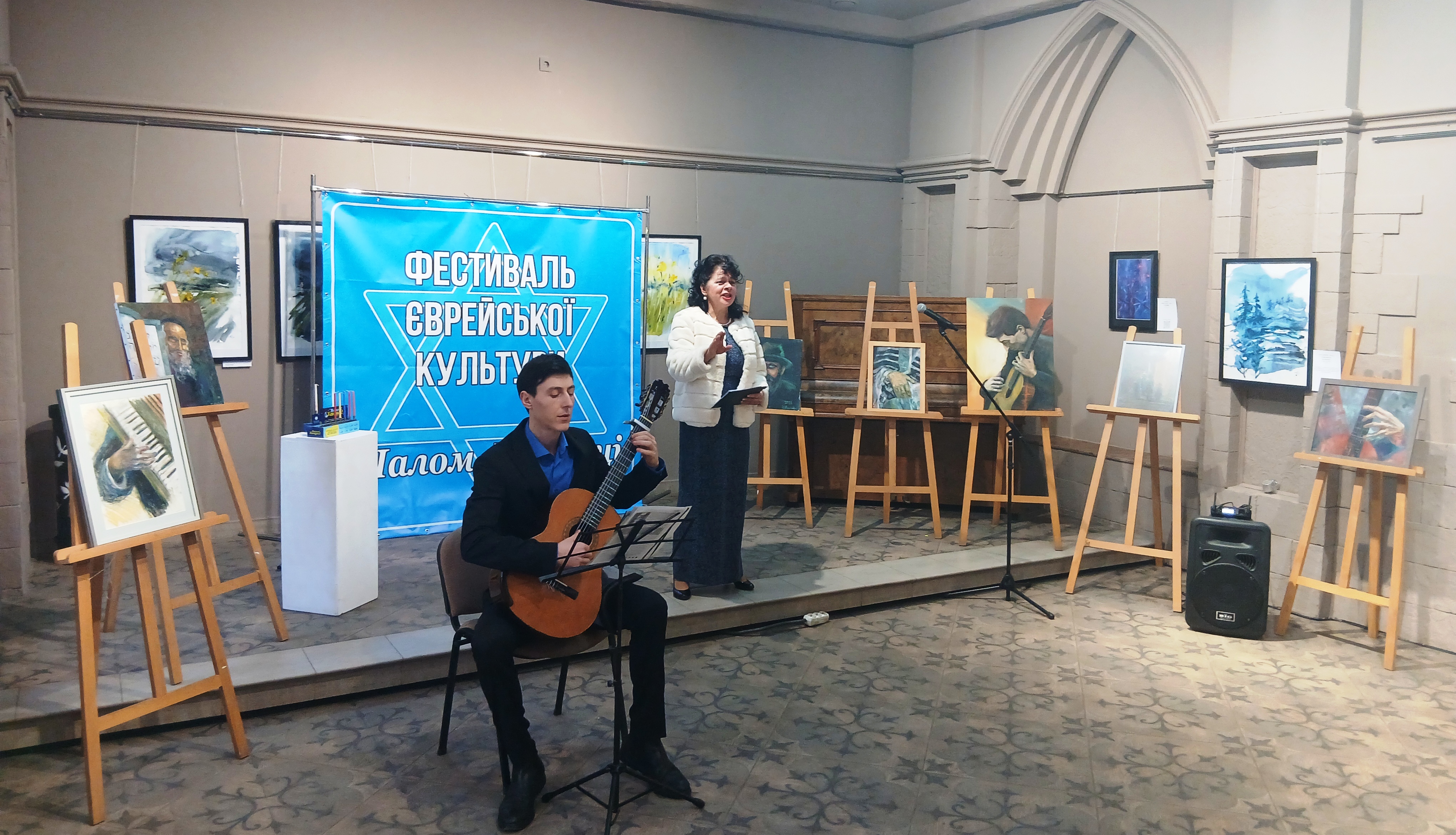
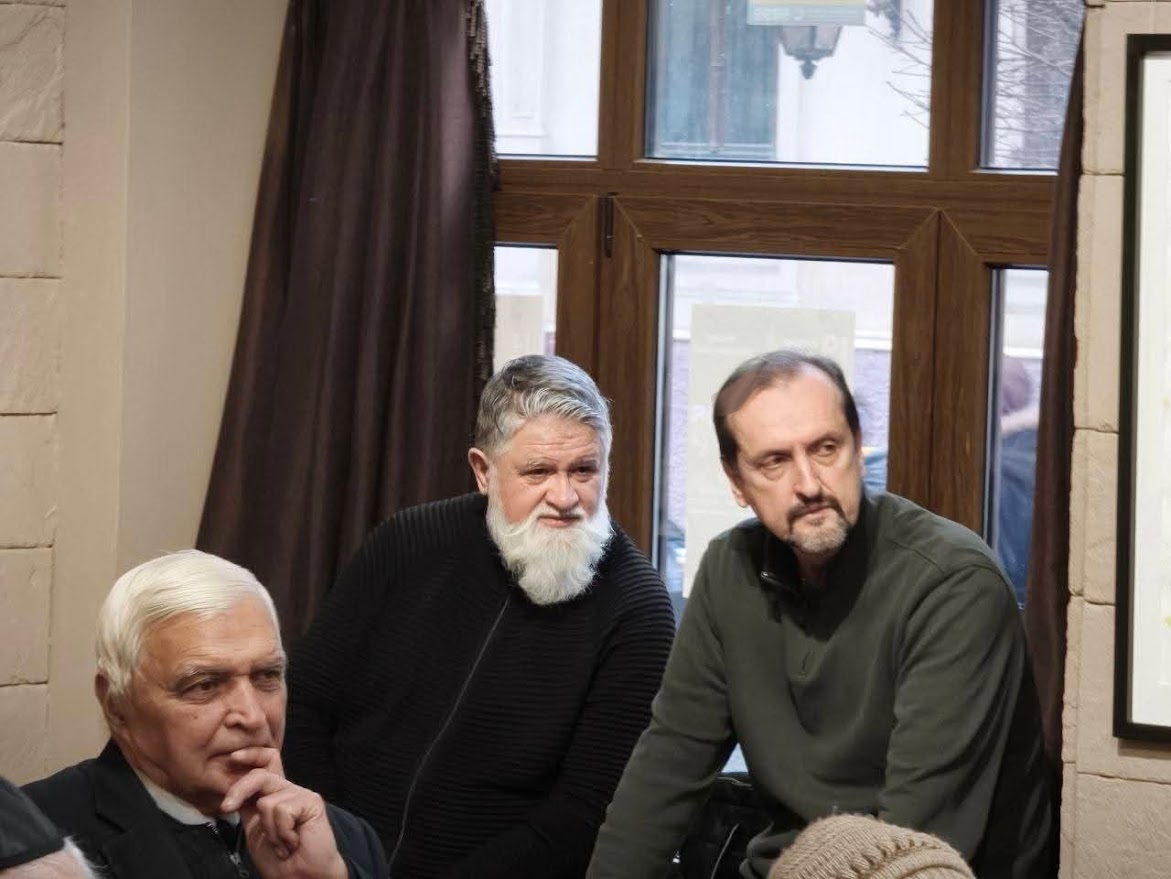
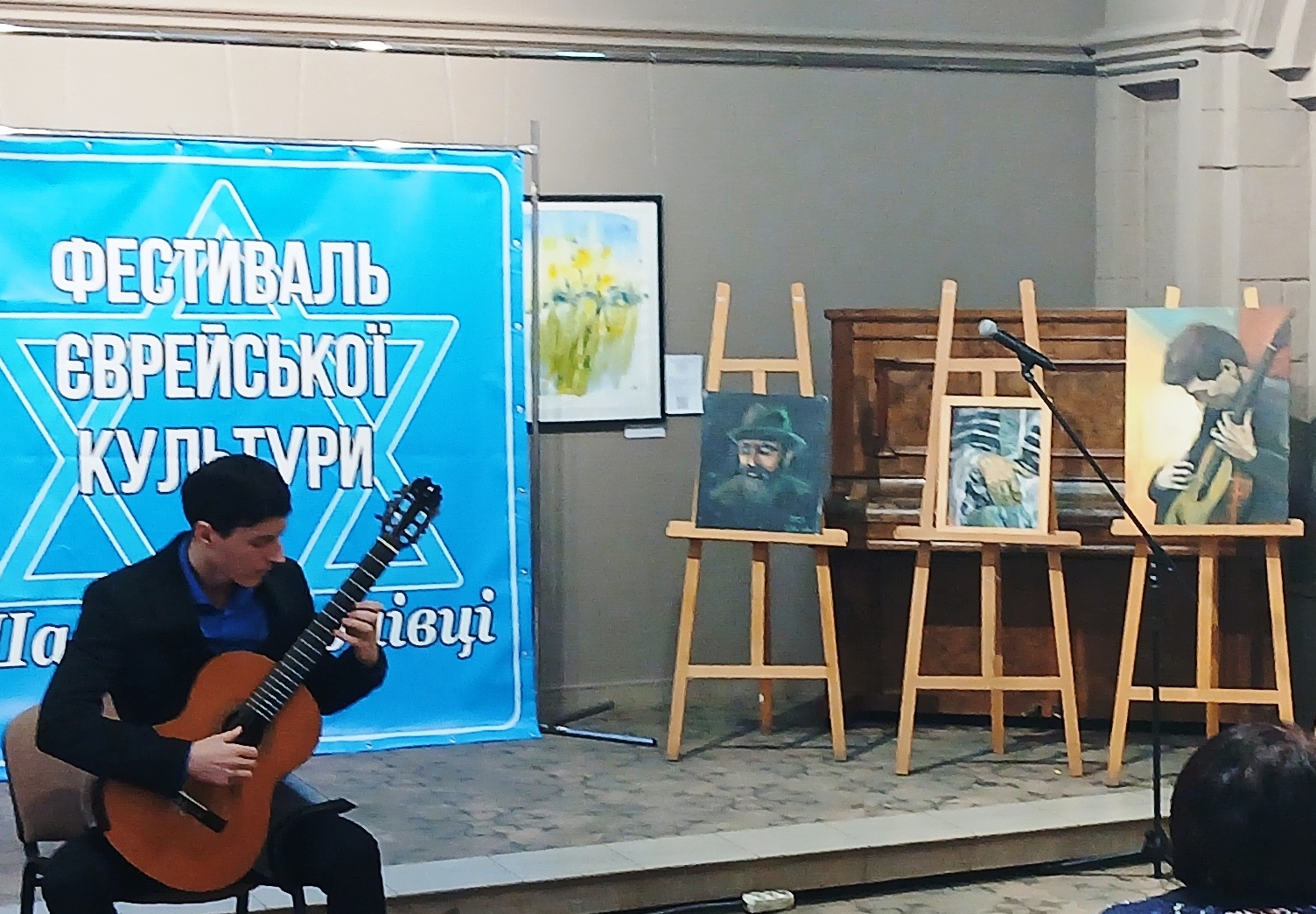
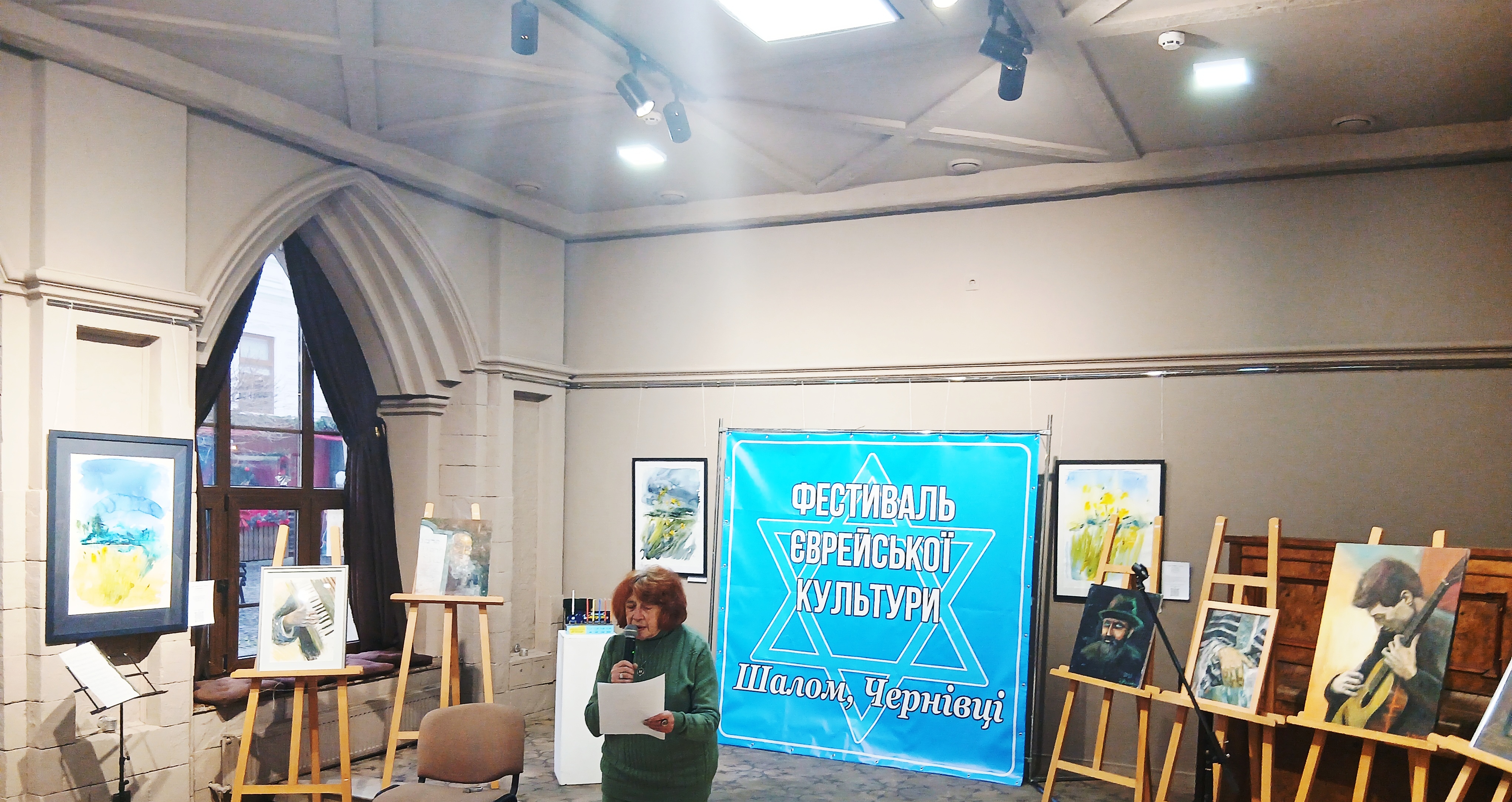
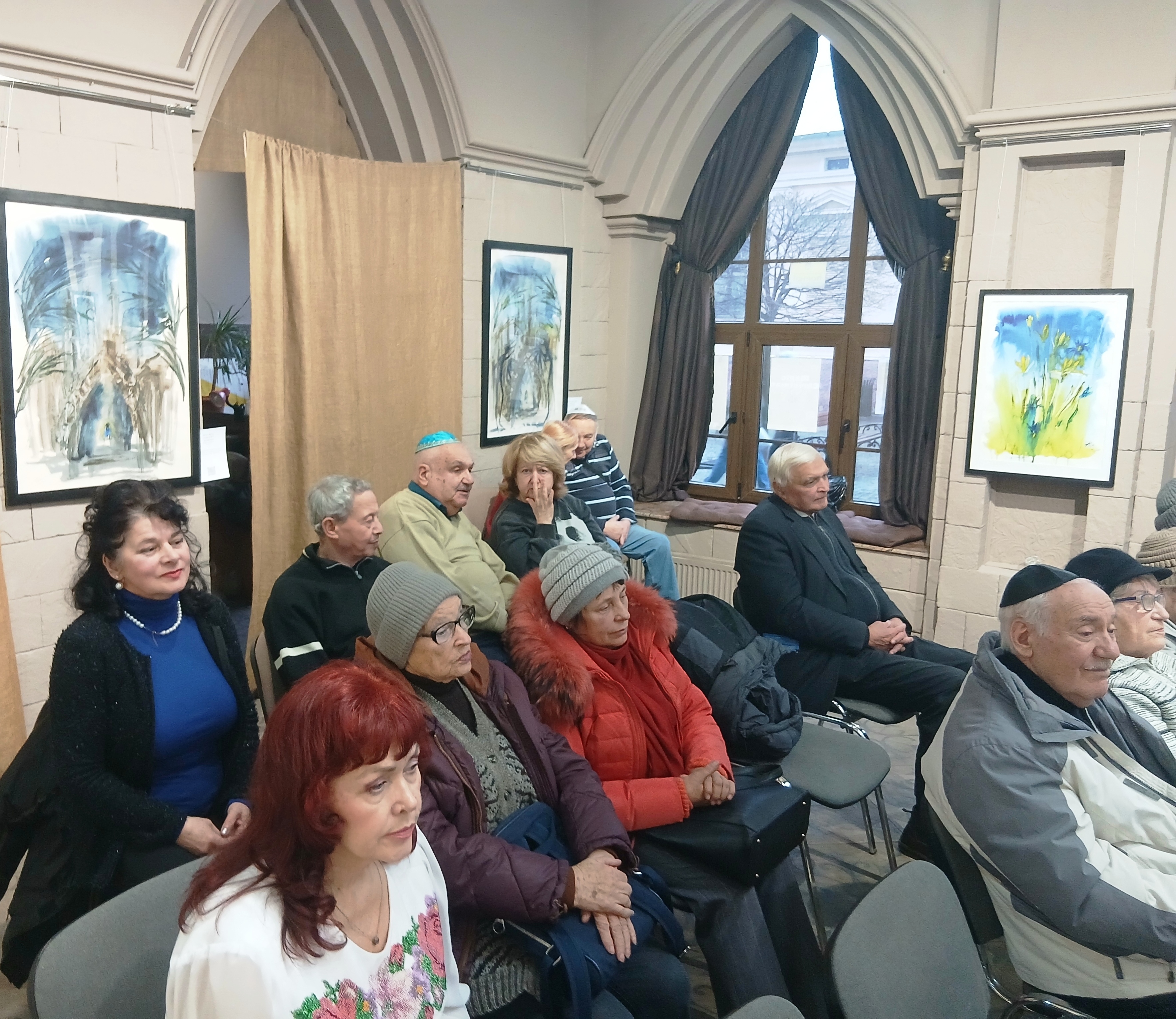
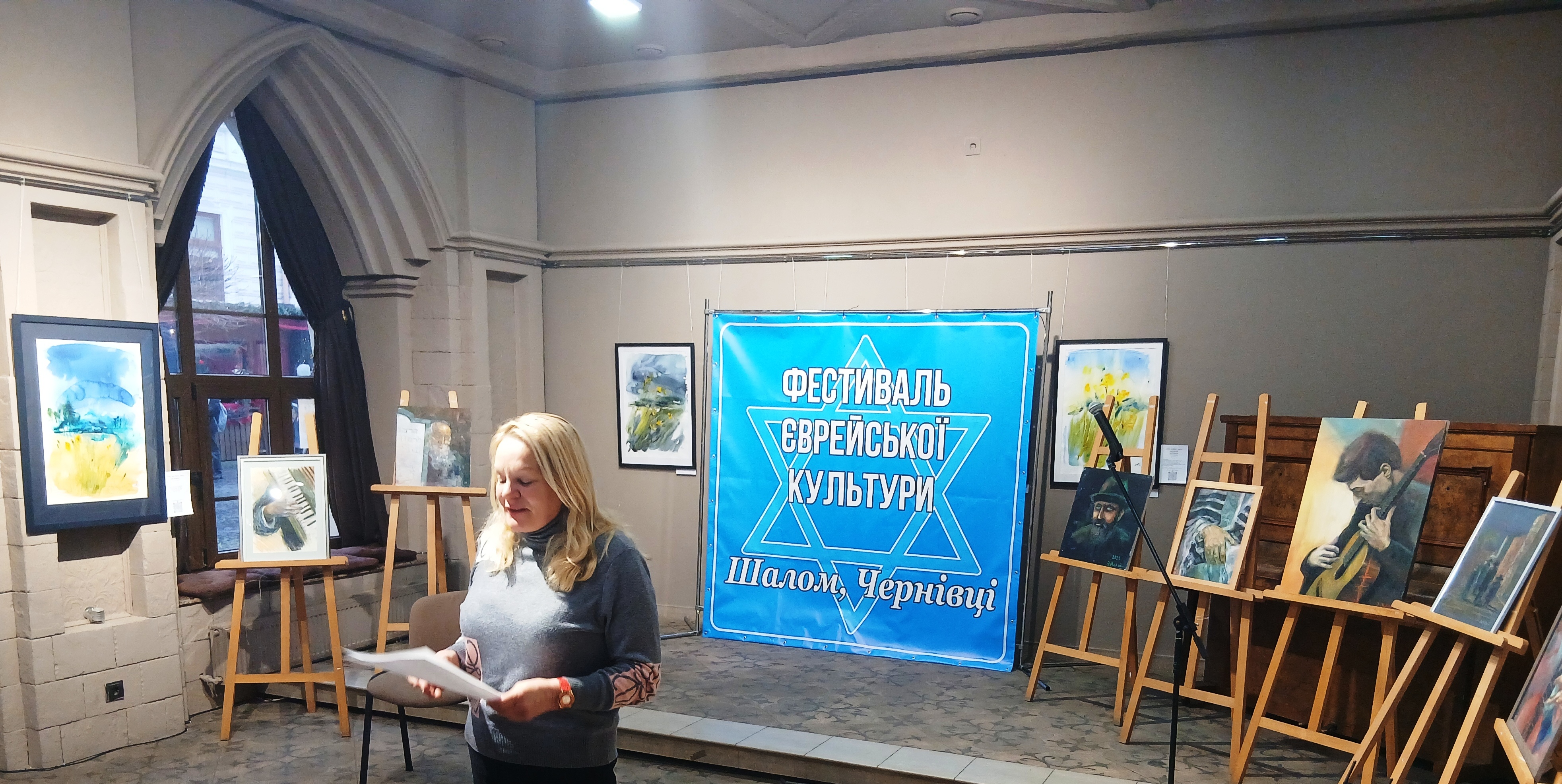
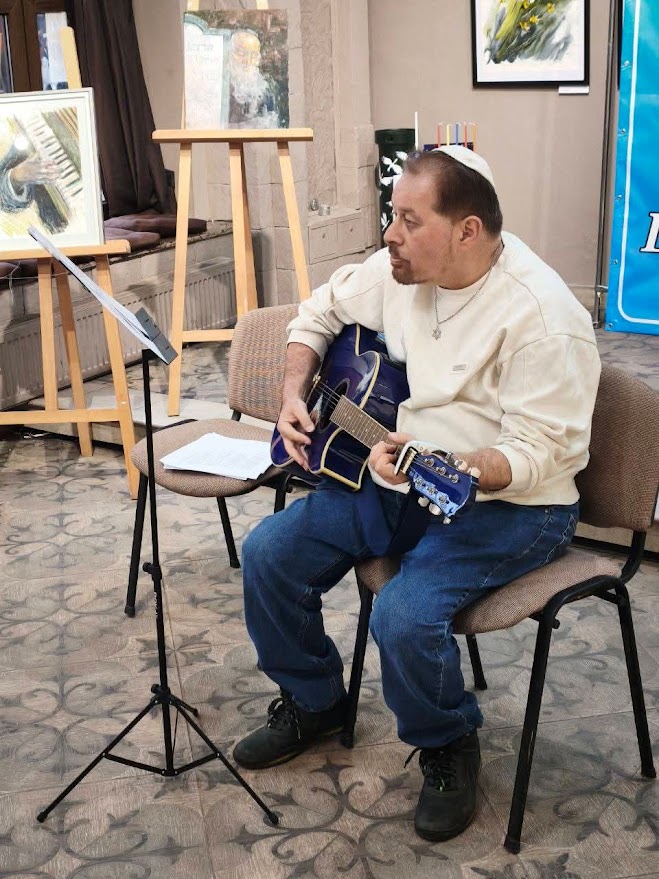
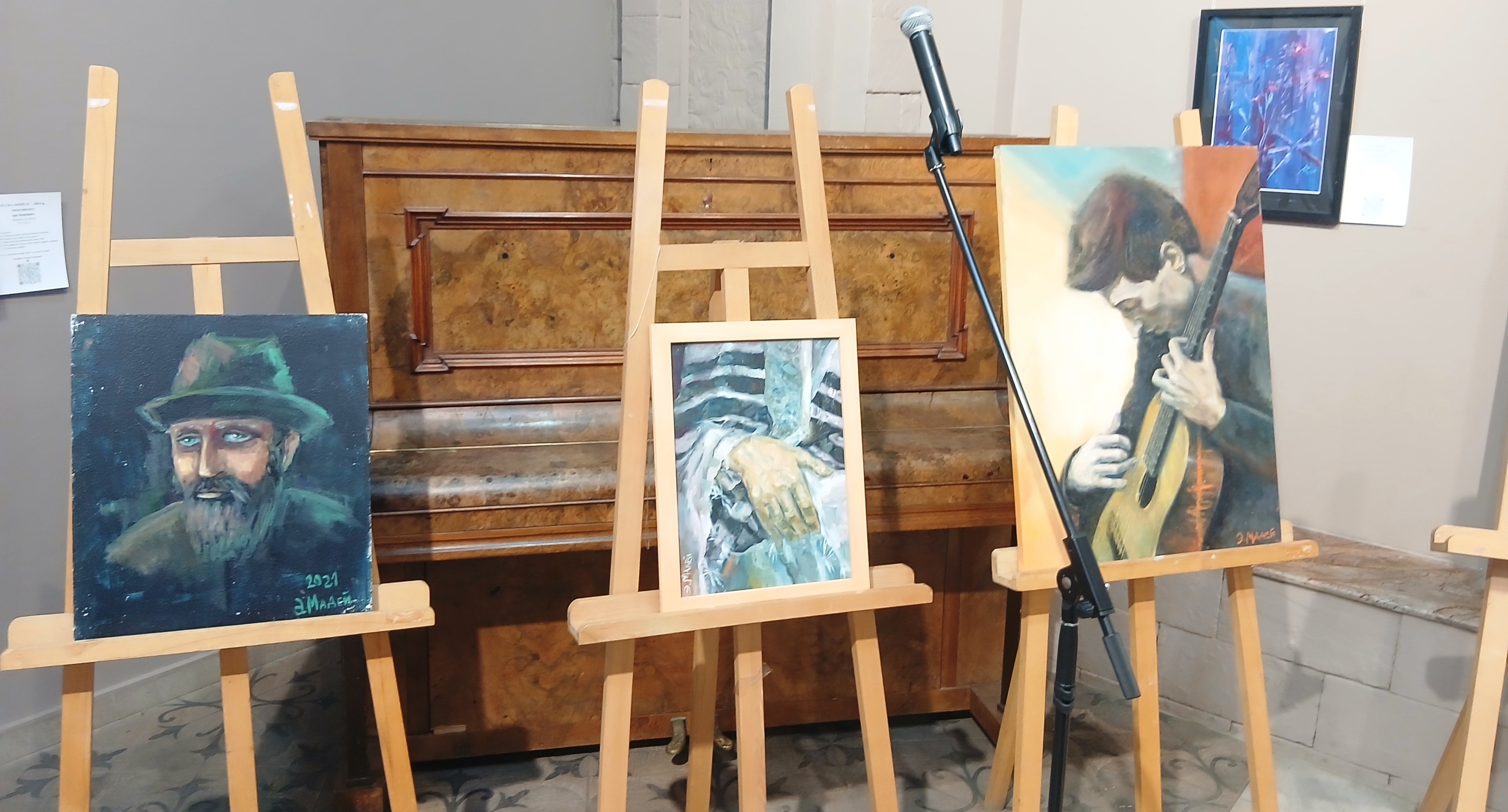
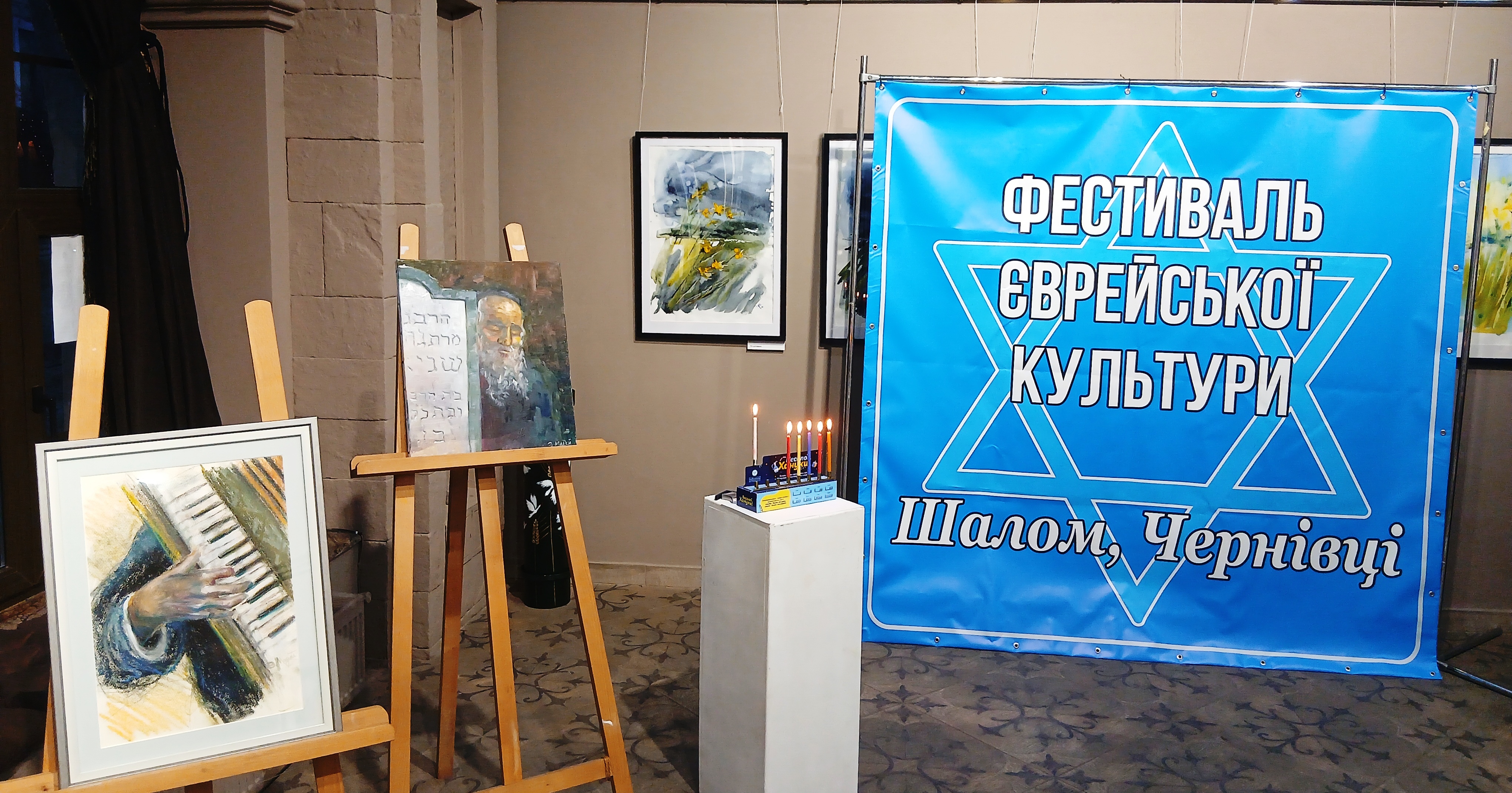
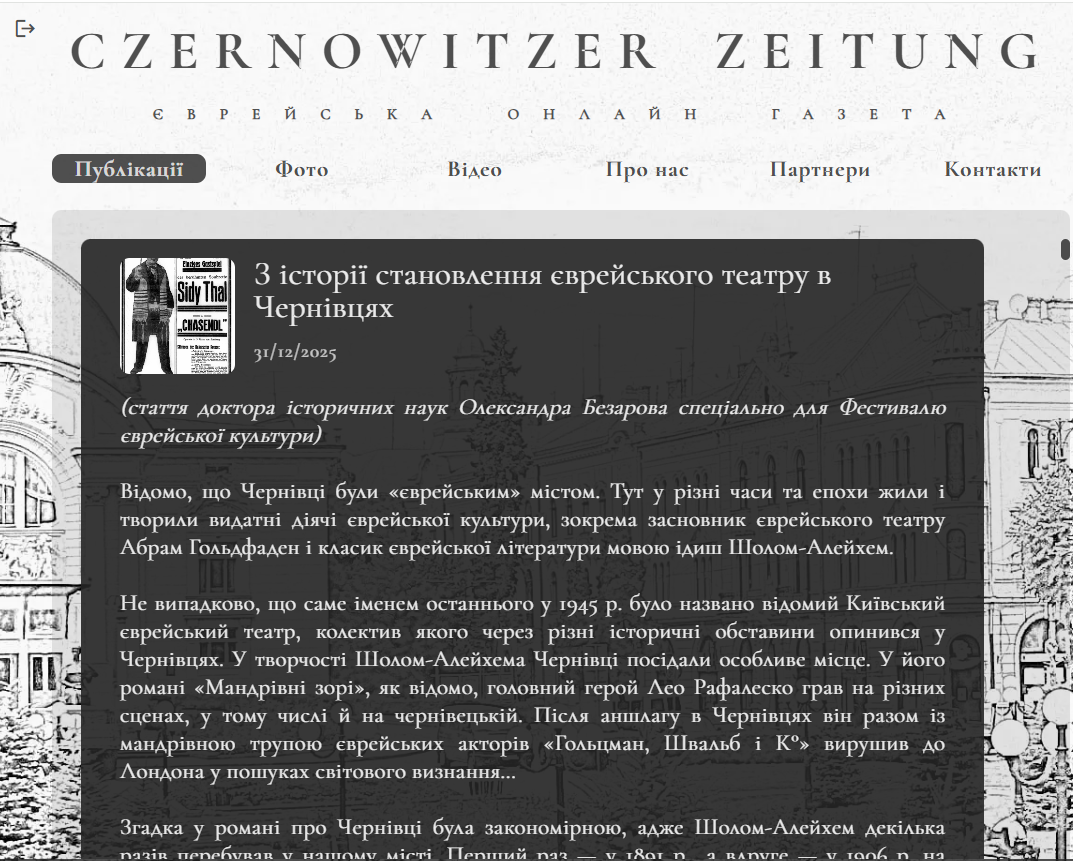
The idea of such a Festival had been maturing for a long time. As early as three years ago, Hanukkah concerts — following significant qualitative changes in the cultural policy of the Jewish Community of Chernivtsi — began attracting an ever-growing audience at the Central Palace of Culture (formerly the Jewish People’s House). This was a clear indication that it was time to move to a new level. We needed to go further — to surprise, to create, to develop a new cultural product that would be interesting not only to Jews, but to all residents of Chernivtsi. Thus, the idea of the Festival quite literally fell into the organizers’ hands like a ripe apple onto Newton’s head.Of course, a Hanukkah concert is not yet a festival. We were fully aware of that at the time. That is why the leadership of the Community and the editorial team of our newspaper decided to join forces so that the people of Chernivtsi could see something truly special — something they would enjoy and remember, something they would want to attend again and recommend to their friends. The responsibilities were divided as follows: the Community team took on the extensive administrative work, while the editorial team of our newspaper was responsible for the creative component (the concept, program development, and directing). We understood that we needed our own way of presenting the material, our own creative style, our own original ideas. Otherwise, we would simply get lost among the many cultural events of a similar kind that Chernivtsi regularly hosts. After all, the city has been holding various festivals, including international ones, for decades. Standing out, being remembered, and winning the audience’s affection against this background is no easy task. Moreover, our resources were very modest — figuratively speaking, almost “shy.” Nevertheless, we worked hard: first and foremost, we thought deeply, generated fresh ideas, and searched for our own identity.The first success felt like the birth of a long-awaited child. In any endeavor, the first success is extremely important. It not only inspires and builds confidence, but also sets the right direction. This success became a moment of strength for us — a point at which you truly begin to believe in yourself and in your team, when nothing seems capable of stopping you.Along this path, there were many temporary setbacks, minor miscalculations, unexpected difficulties (especially for newcomers), and even resistance. Yet our train had gained momentum. We had a goal that had grown out of a dream, and we continued moving along a path we had laid ourselves. Every step in preparing this Festival gave us a sense of discovery, as if we were creating something unique — something that had never existed in this format before. And this feeling was not an illusion. There had been no festival in Ukraine before with such a name and such a concept.The success in December was truly spectacular. Even the most optimistic members of our united team had not expected anything like it. When you see a completely sold-out hall, and well-known local artists standing in the aisles listening attentively to your festival-concert, you realize that this is real success. Equally important was that the performers we invited felt comfortable and free, clearly understanding why this was happening and what message we wanted to convey. And when the audience, with ovations and synchronized applause, refused to let the artists leave the stage, it was deeply gratifying and meaningful for everyone — both for the stars of the stage and for the organizers.The events of the Jewish Culture Festival, which took place at several venues, featured Honored and People’s Artists of Ukraine, as well as renowned musicians from other cities and even other countries. A wide range of genres was presented: instrumental music, vocal performance, poetry, prose, and visual arts. From classical violin music to author’s song; from the philosophical essay “Light and Darkness” to the poetry of Paul Celan in the original German; from an operatic aria to a folk song in Yiddish. As part of the Festival’s cultural and educational program, Doctor of Historical Sciences Oleksandr Bezarov wrote a popular science article for our newspaper about the history and development of Jewish theater in Chernivtsi. But most importantly, we realized that such a Festival is truly needed in Chernivtsi.Our audience — those interested in Jewish culture — had been waiting for it. More than five hundred residents of Chernivtsi attended the events at the Central Palace of Culture and the Vernissage Cultural Center combined. Videos and publications about the Festival in our newspaper gathered around 80,000 views. The Festival received very positive feedback from true professionals in their fields, including Sviatoslav Pomerantsev, President of the International Poetry Festival Meridian Czernowitz; Honored Artist of Ukraine and soloist of the Regional Philharmonic, Olena Ursuliak; Ihor Sorokoumov, Director of the Municipal Cultural Center “Vernissage”; former Inter TV presenter Liubov Dobrovolska; Liubov Nechyporuk, representative of the National Council of Ukraine on Television and Radio Broadcasting in the Chernivtsi region; and others. Such recognition obliges us to maintain the high standard we have set, to remain interesting to the people of Chernivtsi, to make ambitious plans, and to strive to become even better.Historically, Chernivtsi was once a major center of Jewish culture, and today our Festival at least partially returns to the city the forgotten pages of this heritage. We are trying to connect the present with history, to show that cultural heritage is alive and relevant. And that means there is still much work ahead.Mykhailo Krasovskyi (Chernivtsi Jewish newspaper Czernowitzer Zeitung)