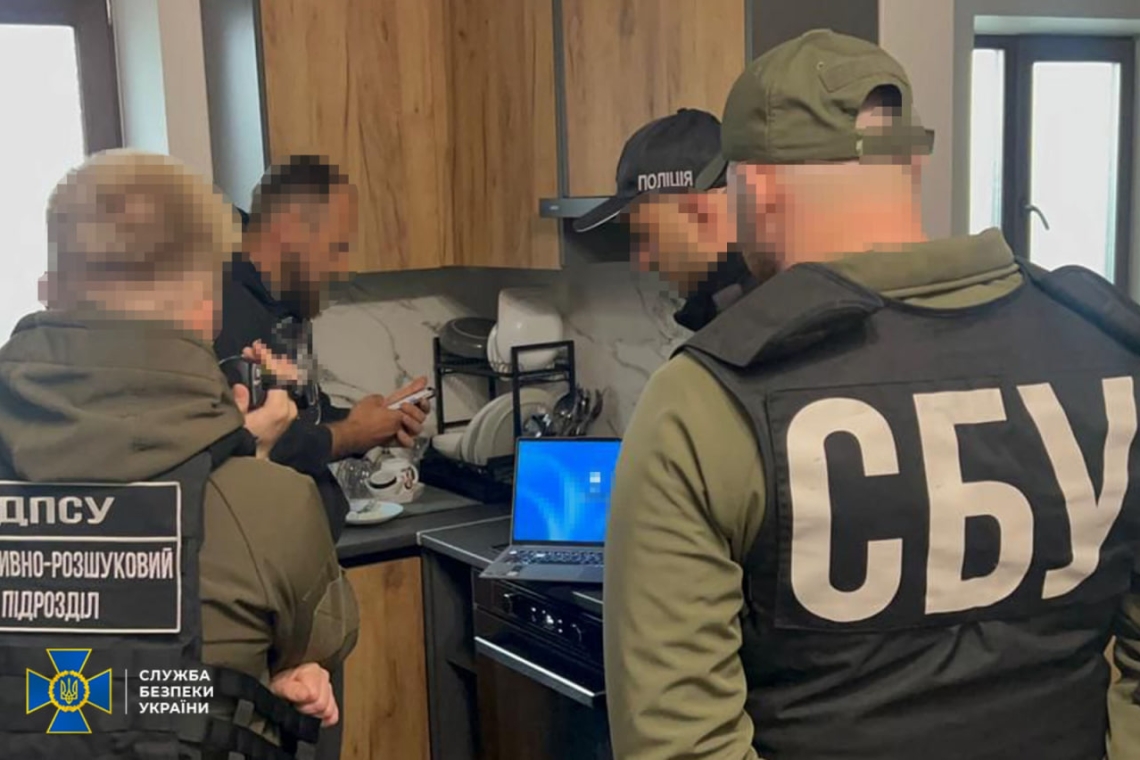
According to law enforcement officials, the suspect went far beyond offensive remarks or provocative online posts. In his publications, he reportedly called for physical attacks against members of the Jewish community and urged the destruction of outdoor advertisements containing information about Jewish holidays and commemorative dates. Investigators also say he issued direct threats against individuals who did not support his radical actions and public rhetoric.
This case is not merely about hate speech on the internet. It involves the deliberate spread of anti-Semitic hostility accompanied by explicit calls for violence. At a time when Ukrainian society is paying an enormous price every day for freedom, security, and human dignity, such manifestations of xenophobia are not only morally unacceptable — they also pose a direct threat to public safety and interethnic harmony.
Any attempts to sow hatred, intimidate communities, or provoke conflict on ethnic or religious grounds must be met with a firm legal response.
Based on the findings of a forensic examination, the man has been formally notified of suspicion under Part 1 of Article 161 of the Criminal Code of Ukraine, which concerns violations of citizens’ equality based on their nationality or religion. The charge carries a penalty of up to three years in prison.
This case is yet another reminder that hate speech is never “just words.” When it is accompanied by direct calls for violence, threats, and attempts to turn one part of society against another, it becomes a dangerous crime with potentially real consequences for people’s safety.
Mykhailo Krasovskyi (Chernivtsi Jewish newspaper “Czernowitzer Zeitung”)