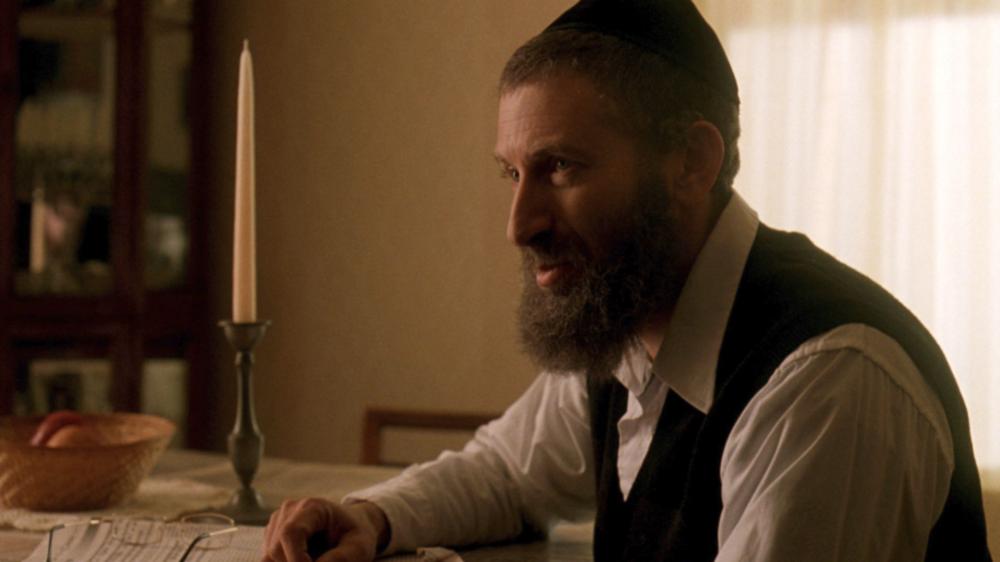
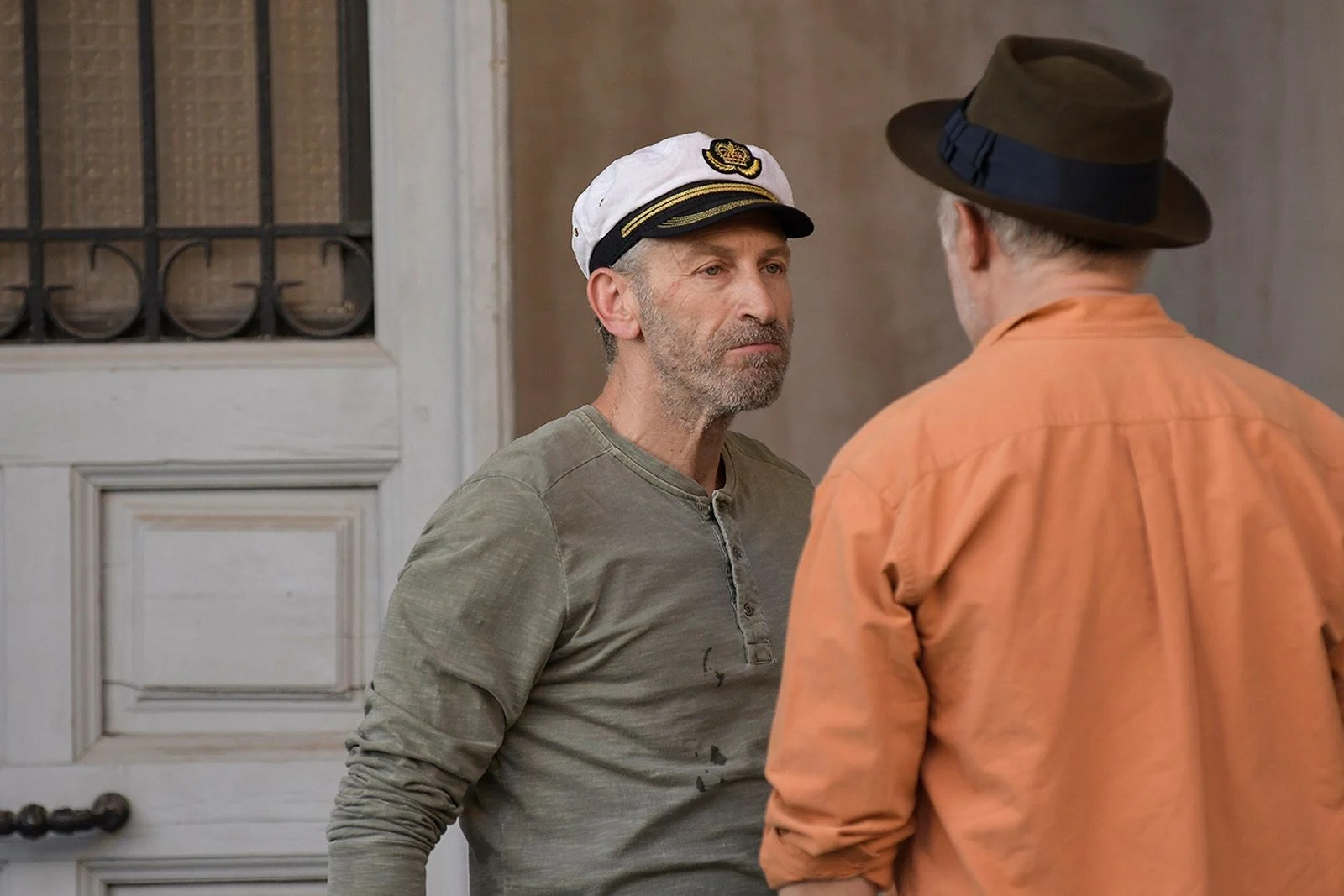
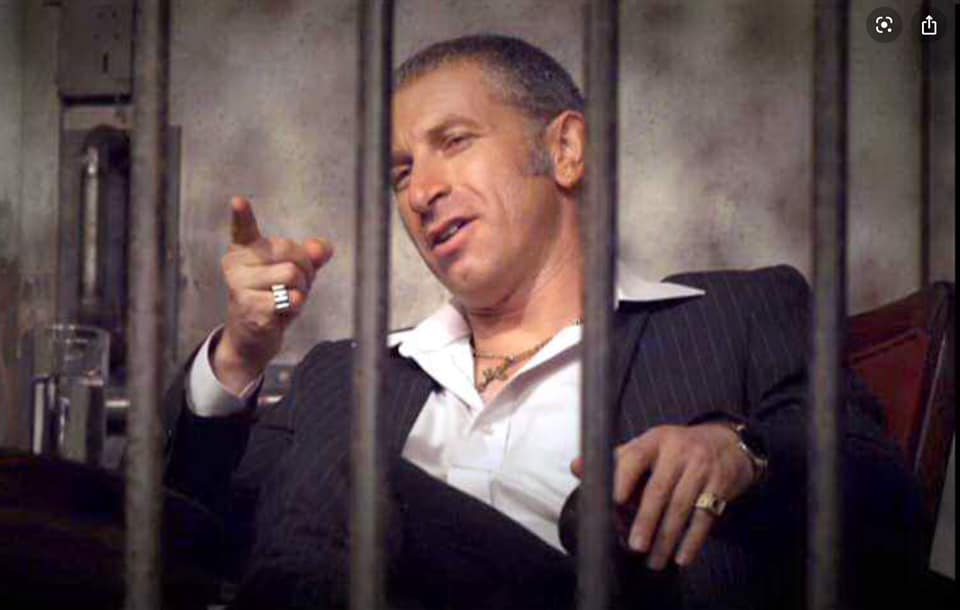
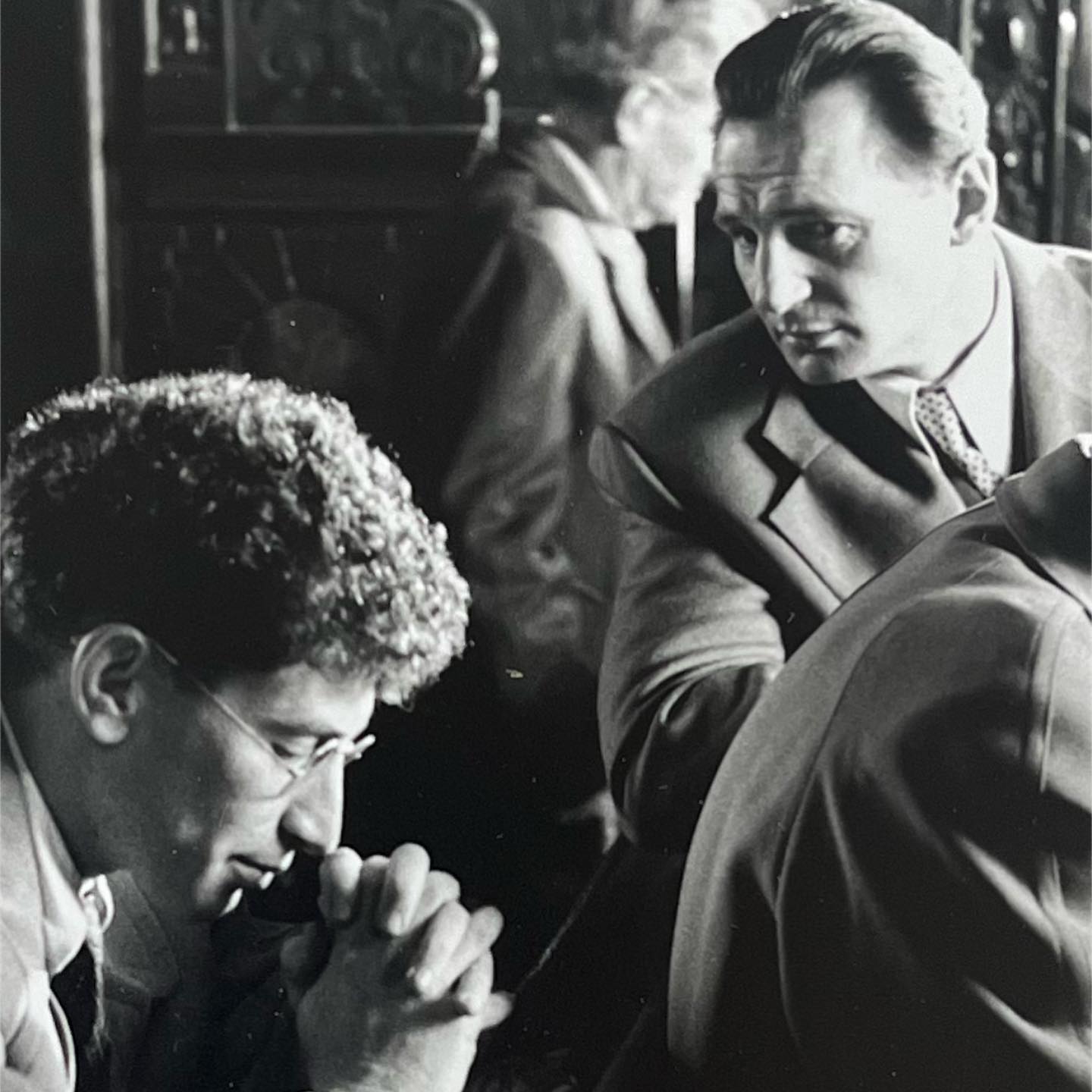
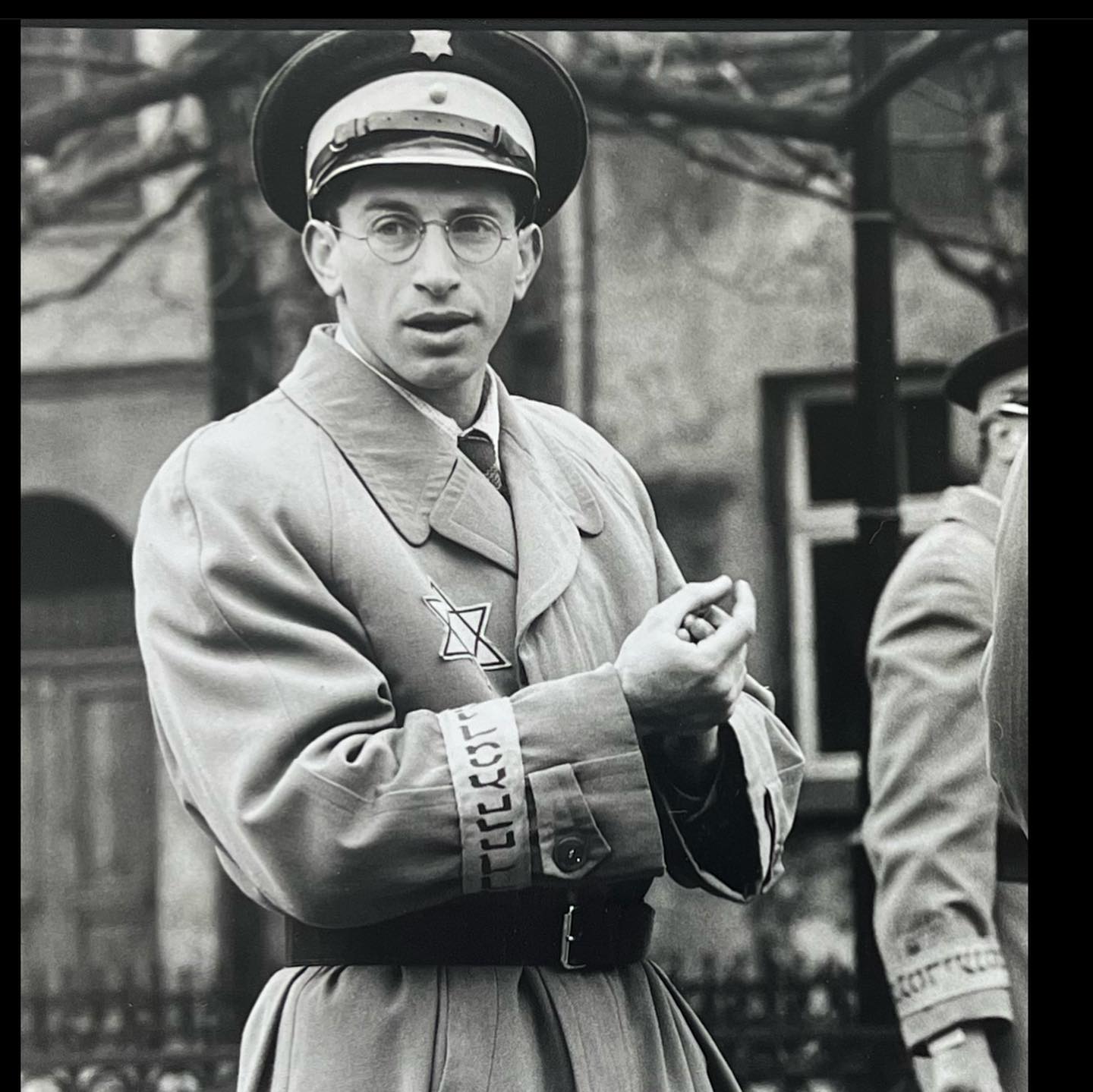
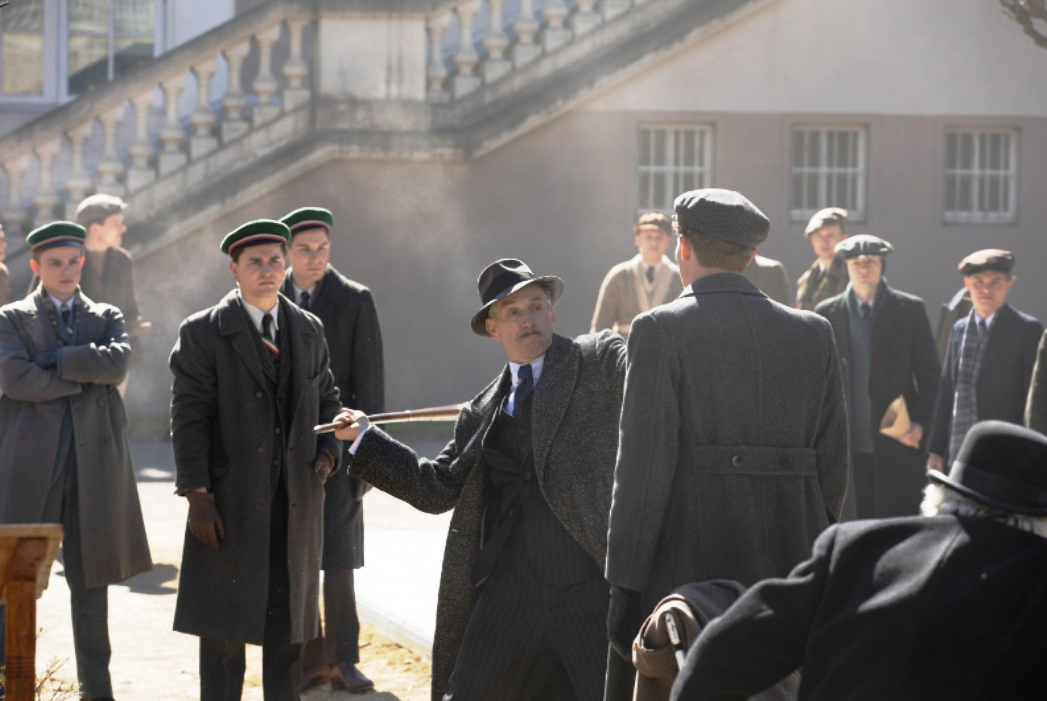
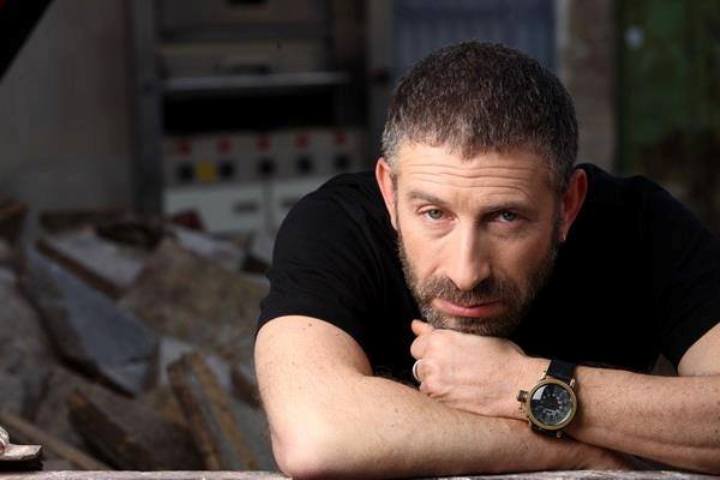
- Mark Ivanir: I don’t mind playing a gangster. And the fact that a Jewish gangster returns from New York to his family in Berlin — I don’t think that’s a cliche. There aren’t many stories like that. When I was offered this, I thought: what interests me in this? I ordered Goldstein’s novel about Rath in English on Amazon and learned that this character is ashamed of his father and his origins. I built the role around that, and the directors and producers agreed.
- Are you familiar with gangster roles...
- Mark Ivanir: Yes, Goldstein is a gangster, but a Jewish gangster from a traditional Jewish family, from a "shtetl" that he left and rebelled against. He became a stylish American, and now, having returned to avenge his father's death, he is not so much interested in the diamond as in the desire to reconcile with his father. There is a scene when Goldstein meets his uncle at the airport. The uncle shouts: "Avrum Goldstein!" Goldstein counters: "Not Avrum, my name is Abe Gold." Goldstein wants to be an American, a new man. I am also familiar with this from Israel, I grew up on the ideology of the "new Jew", a Jewish defender - not "Fiddler on the Roof", but the Palmach and the IDF. This is what I express in the film: Abe Gold wants to be a new Jew .
- It's also shown in the scene where Goldstein visits his family in Schöneberg on a Friday night. Was that in the script?
- Yes, but I developed the idea. During a costume fitting, I was given a pack of cigarettes and a watch from the 1930s, a pack of chewing gum from that period. I thought, "There was definitely no chewing gum in Germany in the 1930s, so I came from the US and explained it to them." In the scene, Goldstein is asked, "What are you doing in America?" And he says, "Anything," because he doesn't want to say that he's a criminal. Then he takes out a pack of chewing gum and says it's his business. That's how my favorite scene in season four was born.
- Is that your favorite scene? Not the one where Goldstein beats up the Nazis and then asks, "Who else wants to get it from a Jew?"
- I love that scene too! I added that line myself. By the way, there is a family context to this. The day before flying to Berlin for filming, I called my cousin in Los Angeles and asked about his grandfather Max. And he told me that Max emigrated from Chernivtsi and lived in Germany for several years. In 1935, he was beaten by Nazis on the streets of Berlin. I said, “Aha! I will avenge your grandfather by beating up the Nazis.” That’s how I was able to bring this story to life.
- The Yiddish in the film sounds very German, was that intended?
- That’s because Moisei Moisei Baziyan, who plays Uncle Goldstein in Babylon Berlin, is from Chernivtsi, like me. The city used to belong to Austria-Hungary, and Chernivtsi Yiddish always had a strong German accent.
- At home, your grandfather spoke Yiddish...
- ...but also Russian and Romanian. Almost every day, my grandfather's friends and acquaintances would come to our home, to his cultural salon. Writers, poets, artists would come. They spoke Yiddish. Later, my grandfather emigrated with us to Israel. One of my friends once told me that he remembered the day we left. More than half of the Jews of Chernivtsi came to the train station to say goodbye to my grandfather - hundreds of people!
- You grew up in Israel, served in the army, and in 1991 became one of the founders of the legendary Gesher Theater for Russian-speaking immigrants. Why did you move to Los Angeles?
- Because of Maya, my wife. She once told me: "I think you're not entirely happy." At first, I was one of the leading actors in Gesher, I had the main role in the first performance of Rosencrantz and Guildenstern Are Dead by Tom Stoppard. At that time, we staged few Israeli plays, and I was a translator from Russian and taught Hebrew to the actors. Yevgeny Arie, the legendary founder of the theater, was very pleased with this, but I felt that he wanted to see me next to him, not on stage. Later, I realized that my style and talent were more suited to small roles. I am not a theater actor, and Arie was a big fan of the theater arts. Maya understood this immediately. In addition, she wondered how she would be able to start a family if her husband would travel to Beit Shean or Safed six times a week, perform until one in the morning and teach people Hebrew at seven or eight in the morning. The London Times named Gesher one of the six best theaters in the world. But at some point, I stopped seeing the point in doing so much for the theater, and at the same time feeling disappointed.
- And the salary probably wasn't that great...
- Not to mention that. We decided to go to London and take a year off. After living in London for a year and a half, my wife got an offer to work in Los Angeles in 2000 as a producer for a startup. We moved to Los Angeles, the startup ran out of money, and my wife was left without a job. But during this time, I found agents and got my first role.
- Who did you play?
- A furniture mover in an independent movie. Very symbolic. I got the role thanks to a friend who helped me become a member of the Screen Actors Guild. The condition was that I say a few words in the film. So they wrote one line especially for me.
- What did you say?
- I forgot. But that line opened the door for me. We were going to stay in Los Angeles for another six months, but it turned out to be almost 24 years, two daughters and a house.
- Now you're moving to New York. For professional reasons?
- Not really. Our daughters have finished school and college and are moving to the East Coast. As for work, it hasn't changed much. When we came to Los Angeles, it was clear that to work in Hollywood you have to live there. Now you don't have to be present at auditions or meet with producers in person, there's Zoom.
- Do you like it?
- I'm a little sad because the human factor is missing. People are more at home now, on their phones or iPads. But of course, it's more convenient for me to live in New York, since I work a lot in Europe and Israel.
- Does the actors' strike in Hollywood affect you?
- Fortunately, no, because the German film industry, in which I am currently involved, is not connected to Hollywood and the Screen Actors Guild.
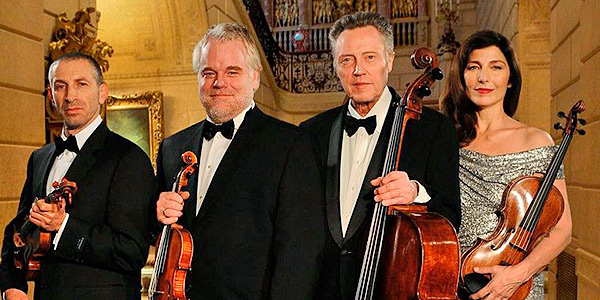
- Would you like to play more roles like Daniel Lerner in A Late Quartet, instead of always playing Russian gangsters?
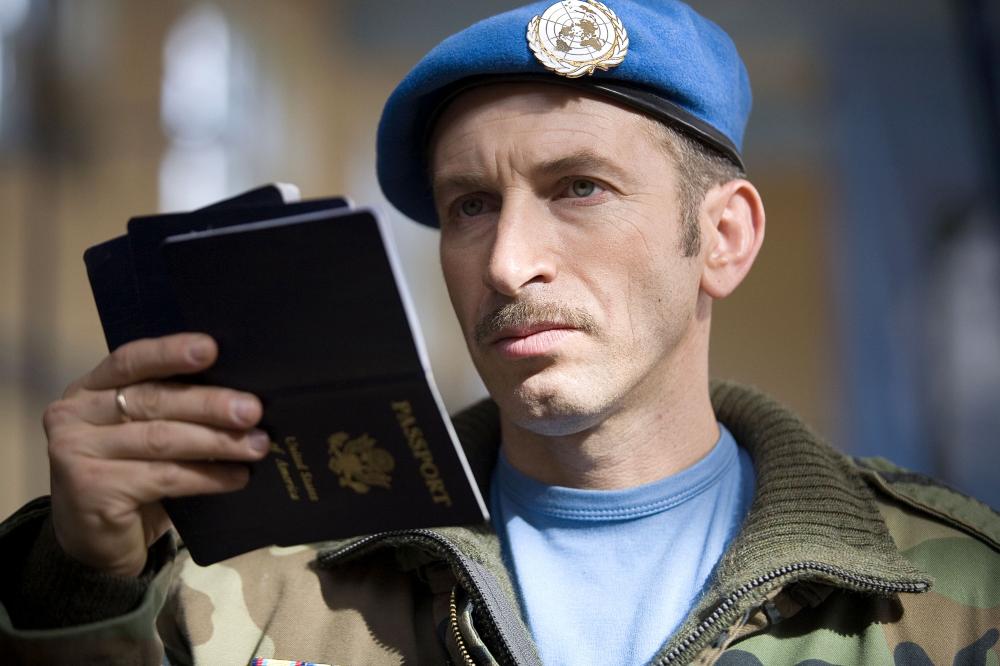
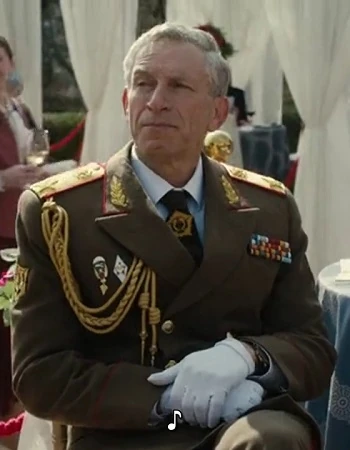
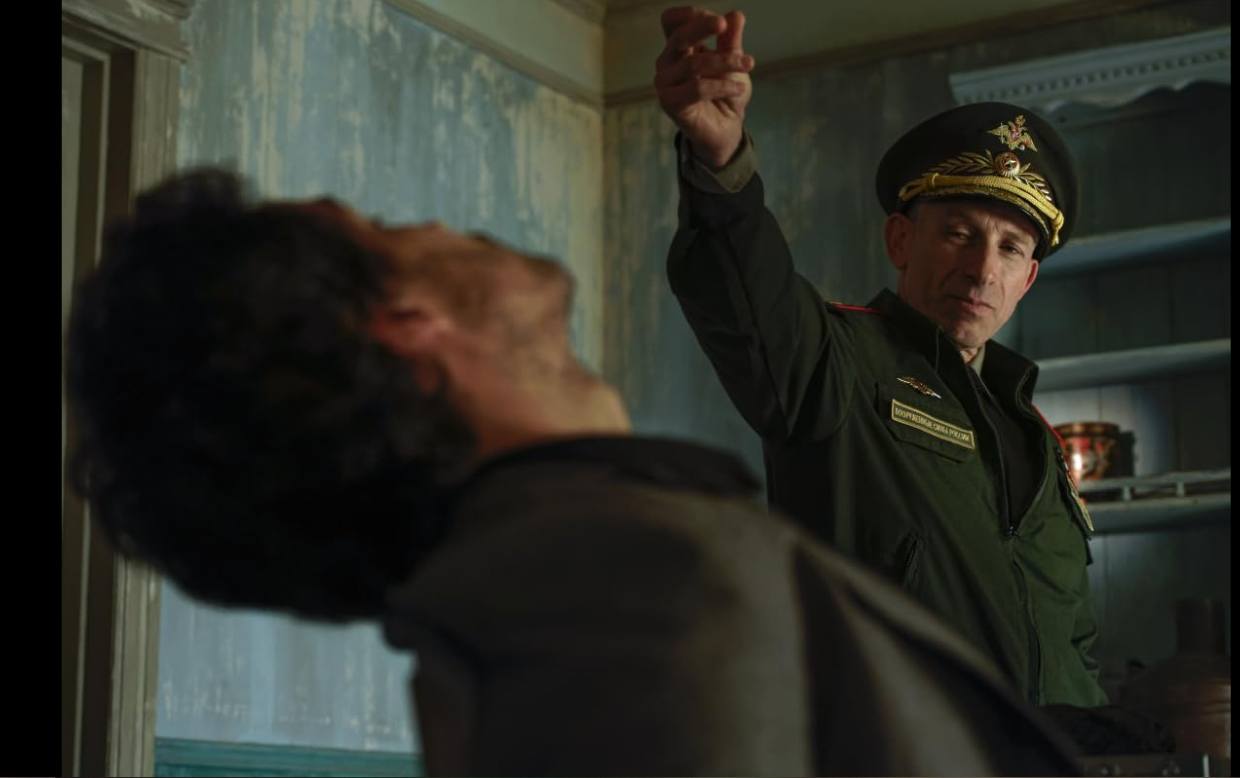
- Russian gangsters are probably the most common, but I’ve also recently played military men and Israeli spies, like the head of Mossad in a Netflix series or Chief of Staff Motta Gur in Seven Days at Entebbe. I visit Israel quite often. The Israeli film industry is very interesting. I watch Israeli series before going to bed. I recently filmed a movie in France where I play a doctor. It’s funny because my father really wanted me to become a doctor. He died when I was still in the army. But a few months after finishing my military service, I realized that everything I liked was related to acting. I learned magic tricks, street theater, and acrobatics. And then I said to my mother, “I’m not going to be a doctor. First, I’m going to be a clown. I can play a doctor.” She agreed! By the way, in all these years, I’ve never played a doctor, and now I have two.
- In the fourth season of Babylon Berlin, both Jewish characters are played by Jews. Is this important to you?
- I personally believe that an actor should play everything. This is our job, we work with imagination. I think the casting rules are exaggerated. Changes are important, but the current wave of political correctness, in my opinion, has gone too far. I have a friend who became a director and now lives in New York. He recently told me that he has no work: "I am a white man of 60 years, I have no chance." On the other hand, he has worked in the film industry for the last 35 years, and many black actors are out of work. Fortunately, I do not have to worry about my career. If something happens, I can always play a Russian or say: "Why are you taking an American to play a Russian?"
About the actor:
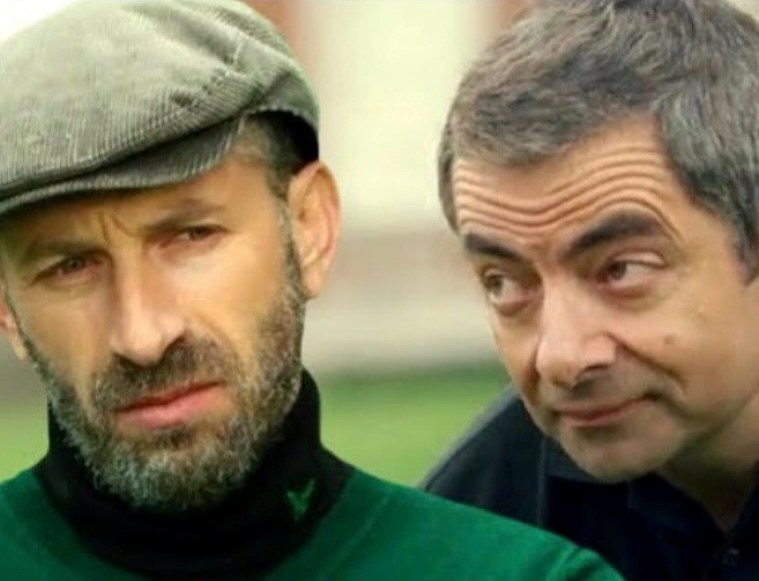
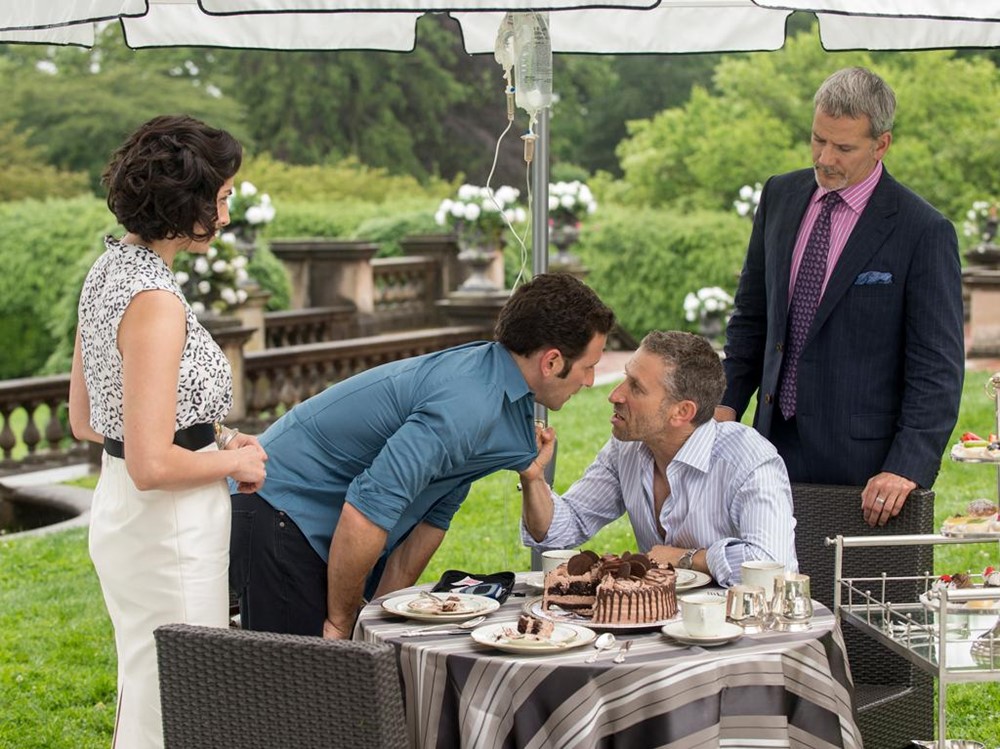
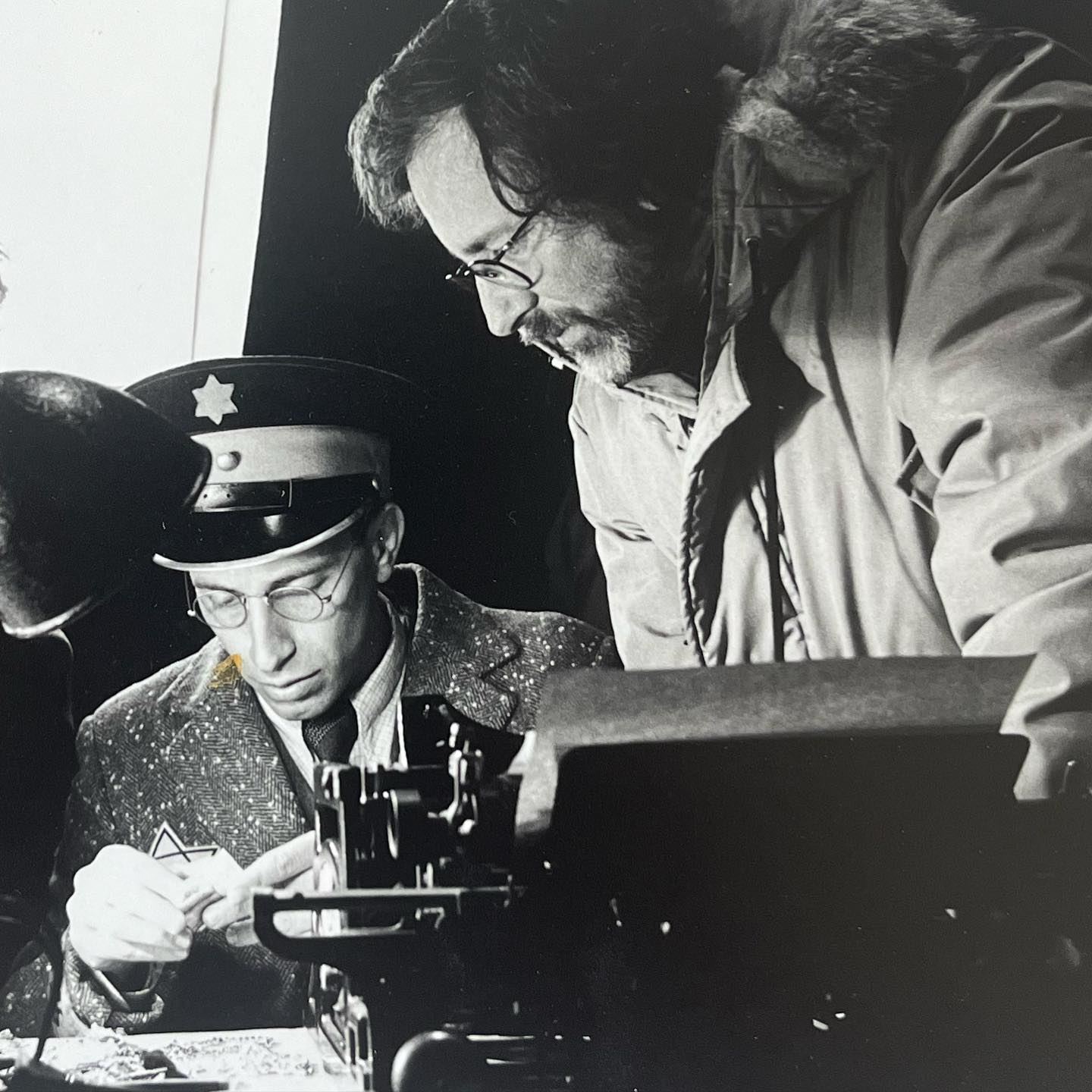
Mark Ivanir was born in Chernivtsi in 1968. His first role in Hollywood, which brought him worldwide fame, was in Steven Spielberg's Oscar-winning film Schindler's List. Mark Ivanir starred in two more Spielberg films - The Terminal and The Adventures of Tintin. He played in Peter Segal's Get Smart. Mark played a key role in Robert De Niro's The Good Shepherd. He starred with De Niro in director Barry Levinson's What Just Happened. He also starred in such TV series and films as: Law & Order, Walker Texas Ranger, NYPD Blue, Johnny English Reborn, Dollhouse, The Cleaner, Bye Bye Germany, The Human Resources Manager, 24, CSI: NY, Fringe, The Gordin Cell, CSI: Miami, Nikita, Mad Family, Mr. & Mrs. Smith, Shadows of the Past, Undisputed 2, Undisputed 3 and others. In total, he played in more than 100 films and TV series. Mark Ivanir's partners in films were Alec Baldwin, Brad Pitt, Richard Gere, Angelina Jolie, Tom Hanks, Drew Barrymore, Matt Damon, Liam Neeson, Ralph Fiennes, Ben Kingsley and other star actors.
Translated from German by Mikhail Krasovsky (especially for the Chernivtsi Jewish newspaper "Czernowitzer Zeitung")