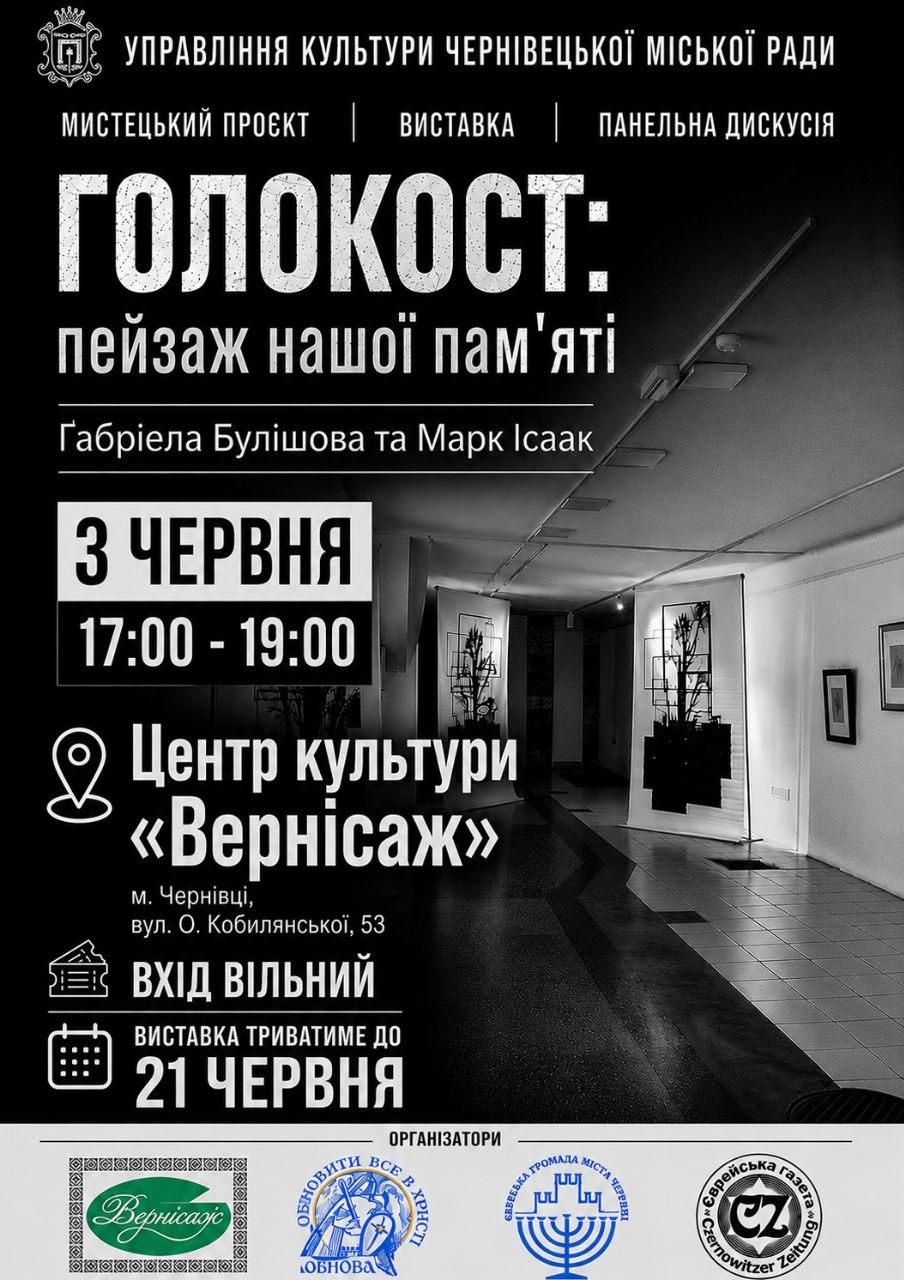
Exhibition - Holocaust. The Landscape of Our Memory - Opens in Chernivtsi
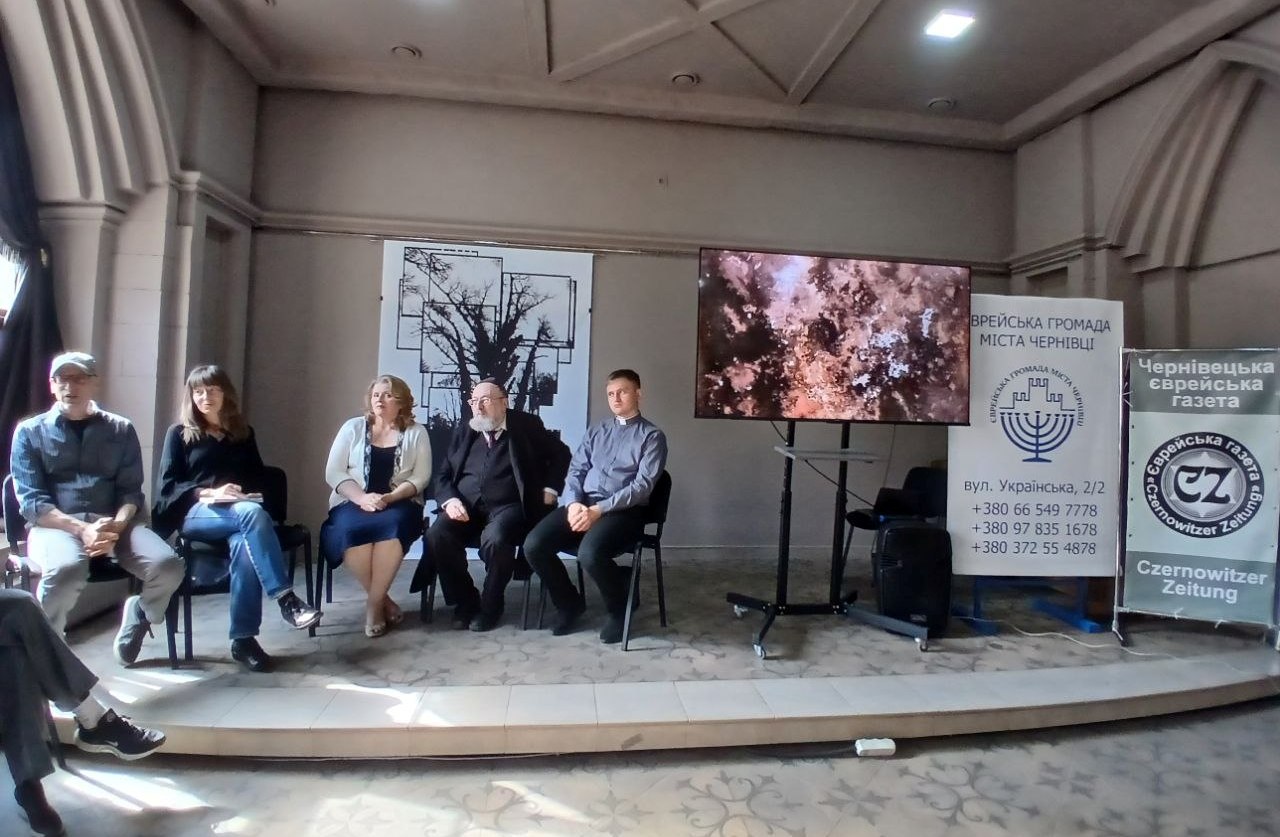
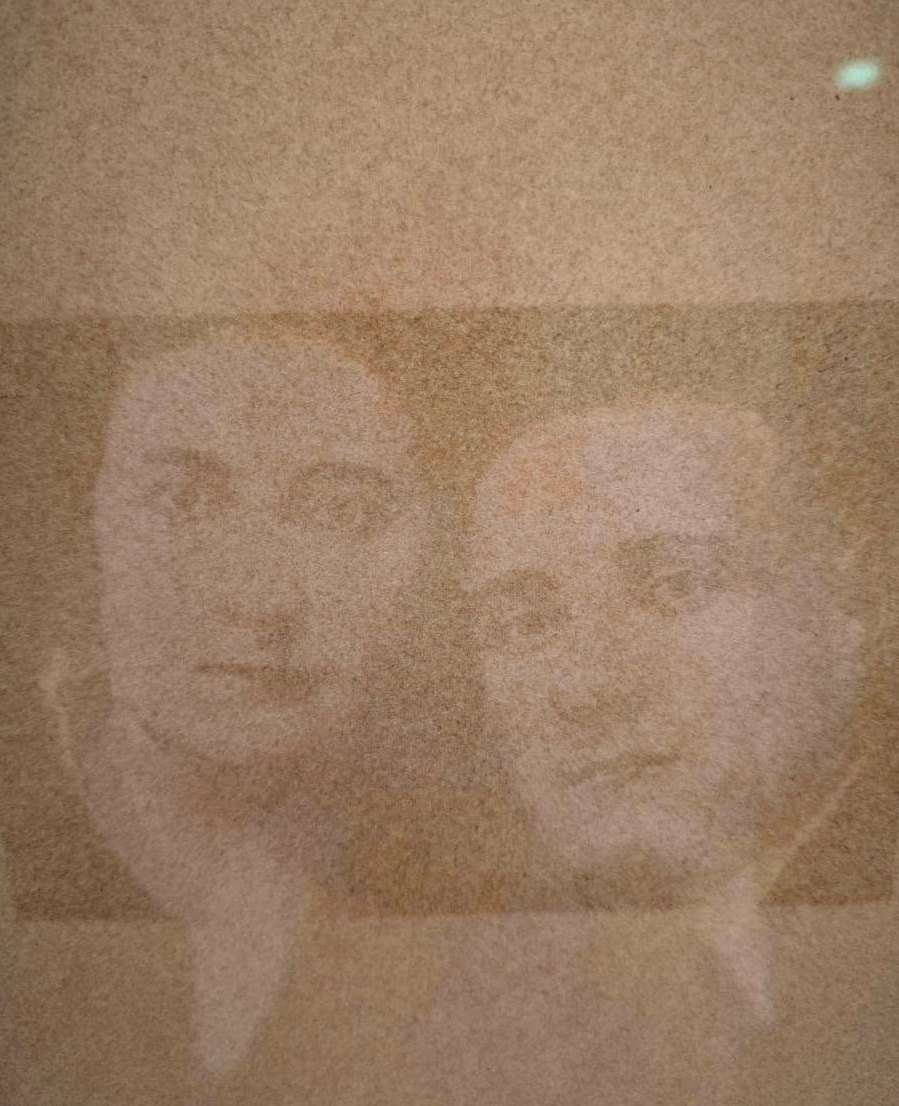
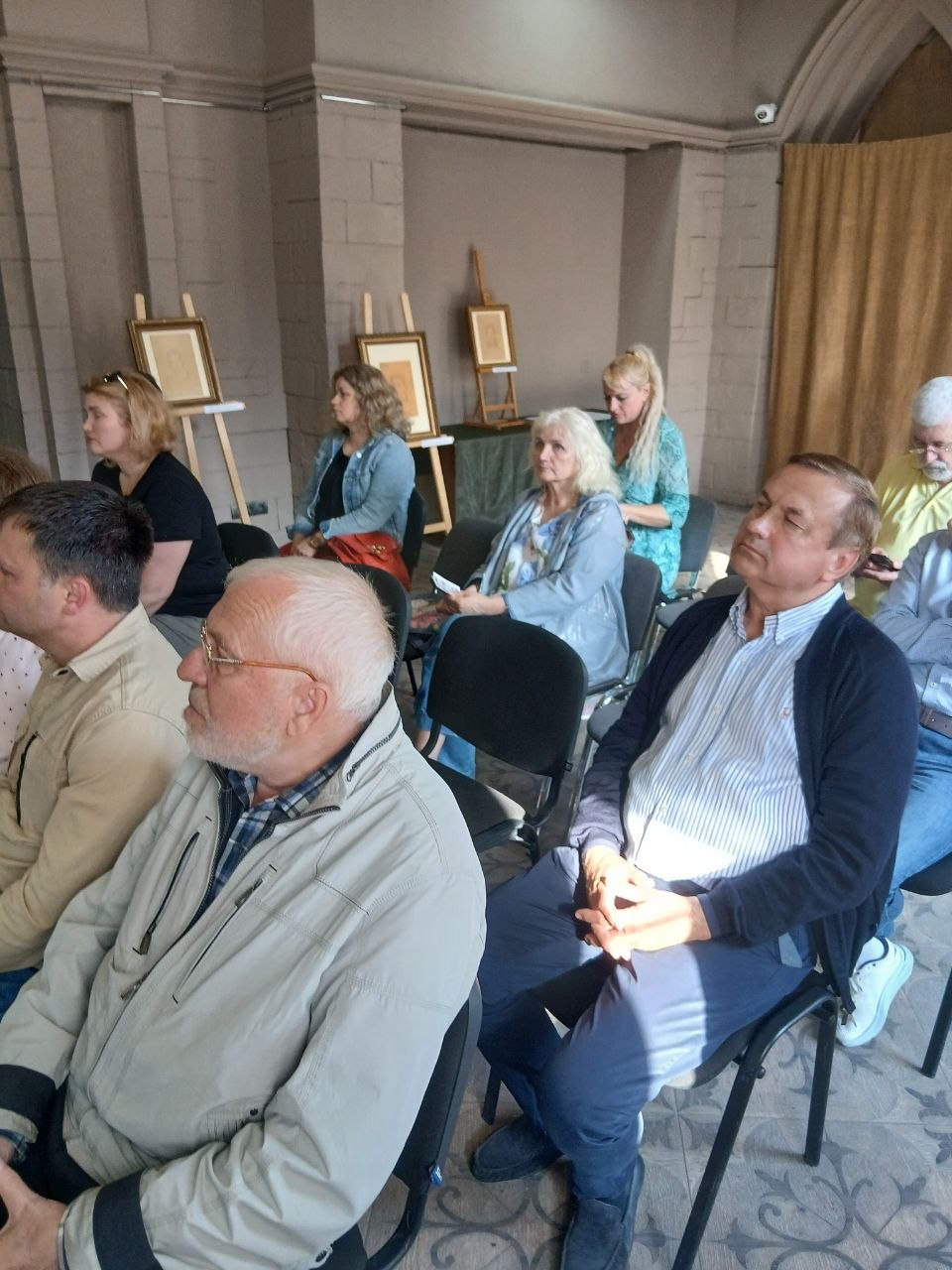
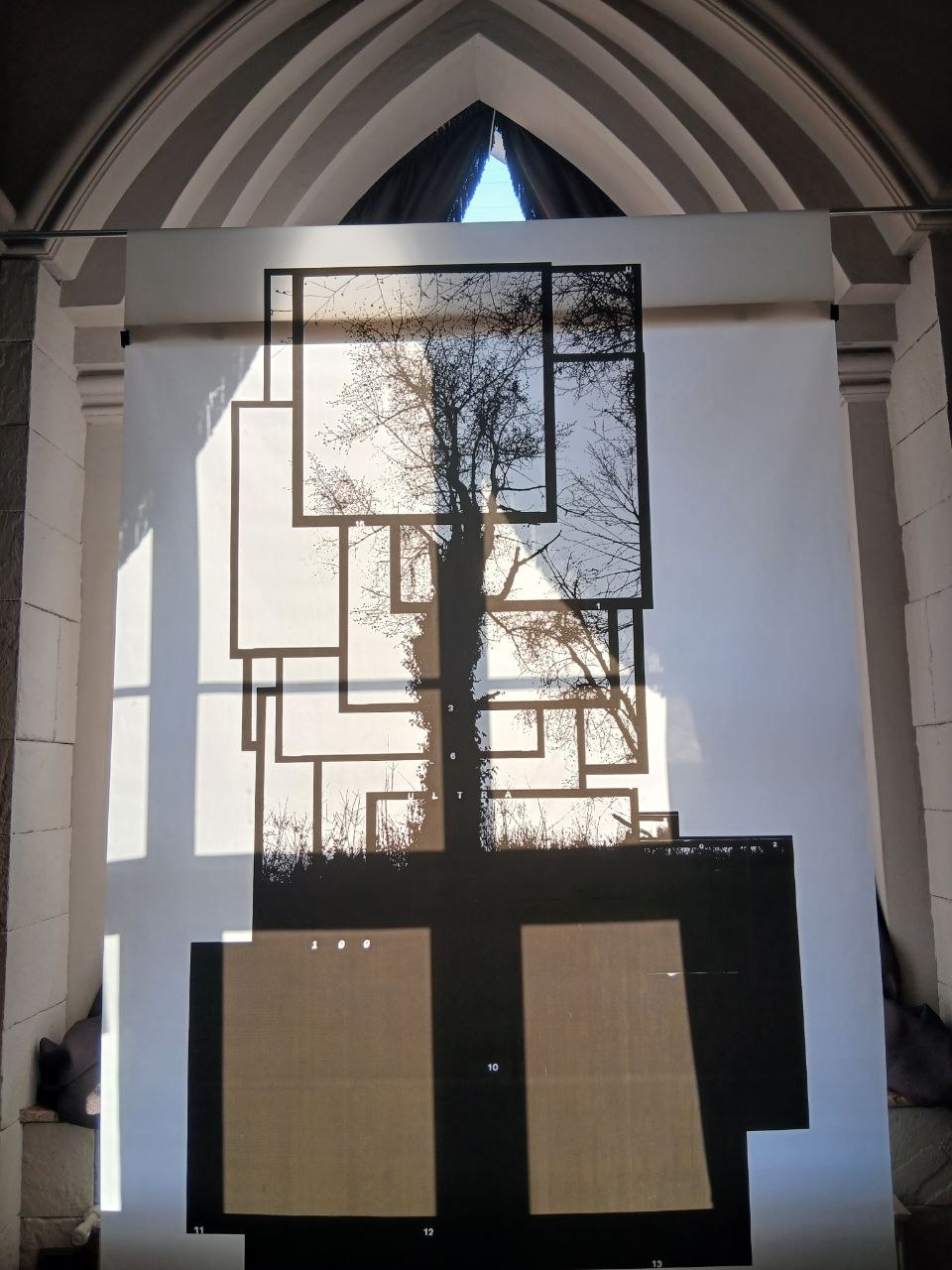
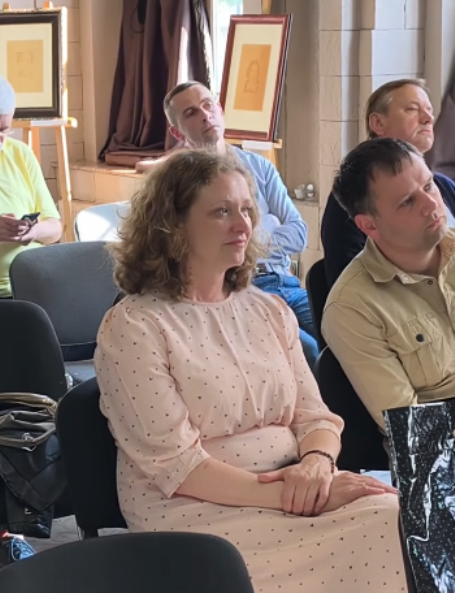
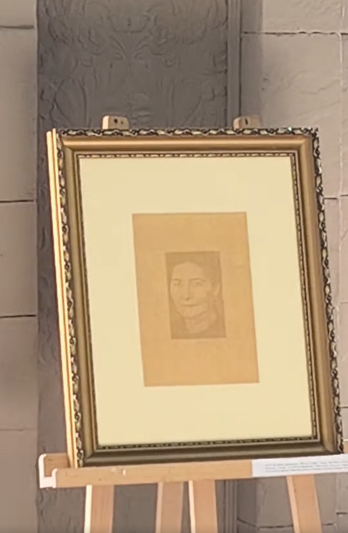
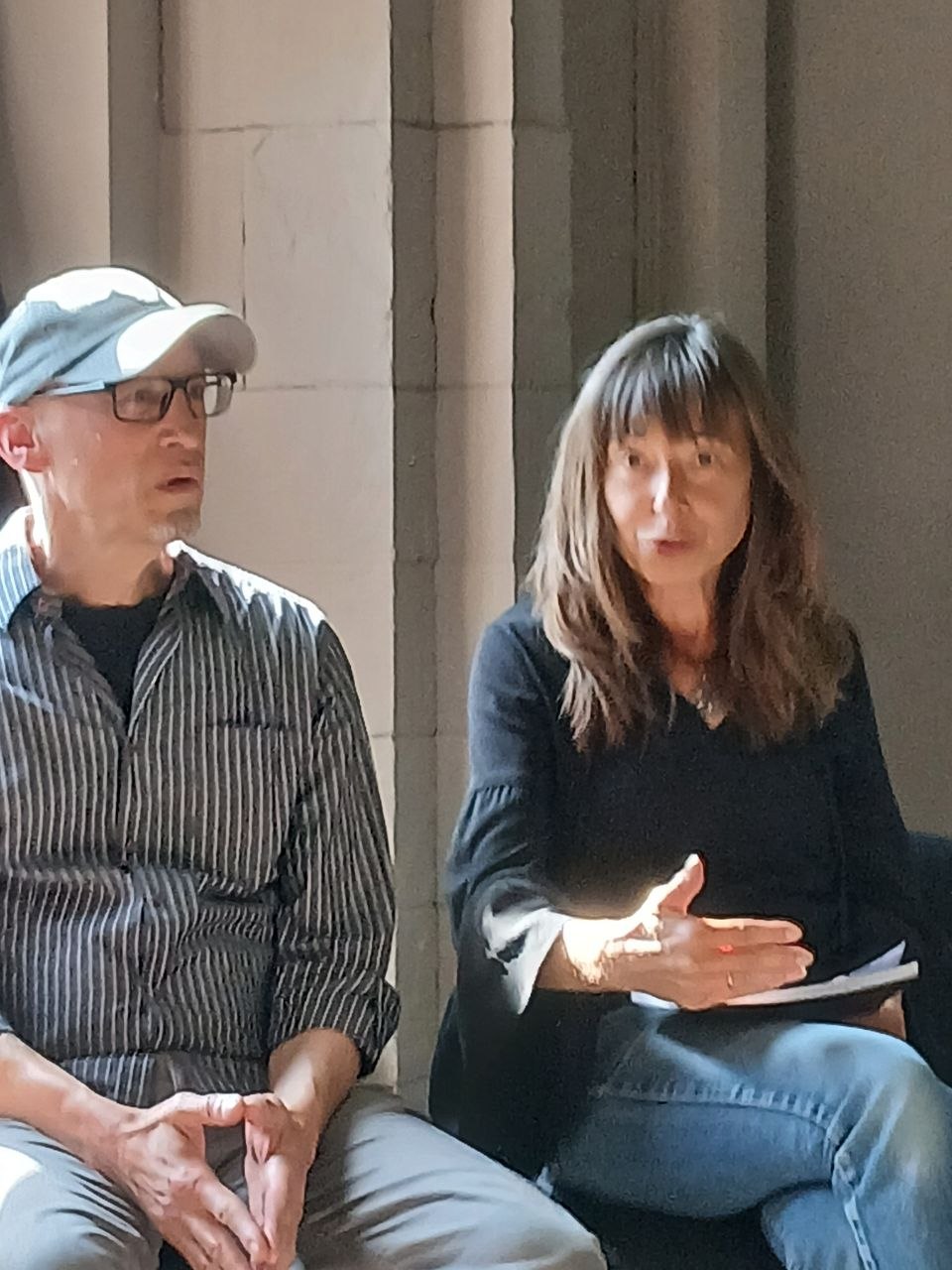
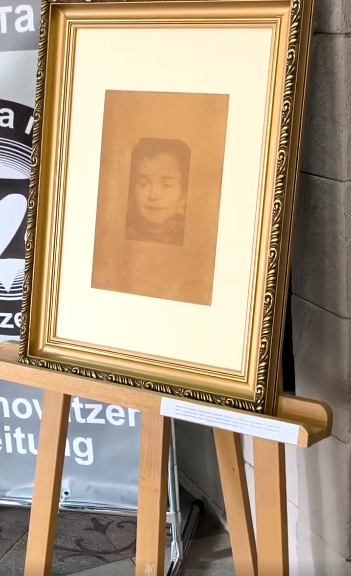
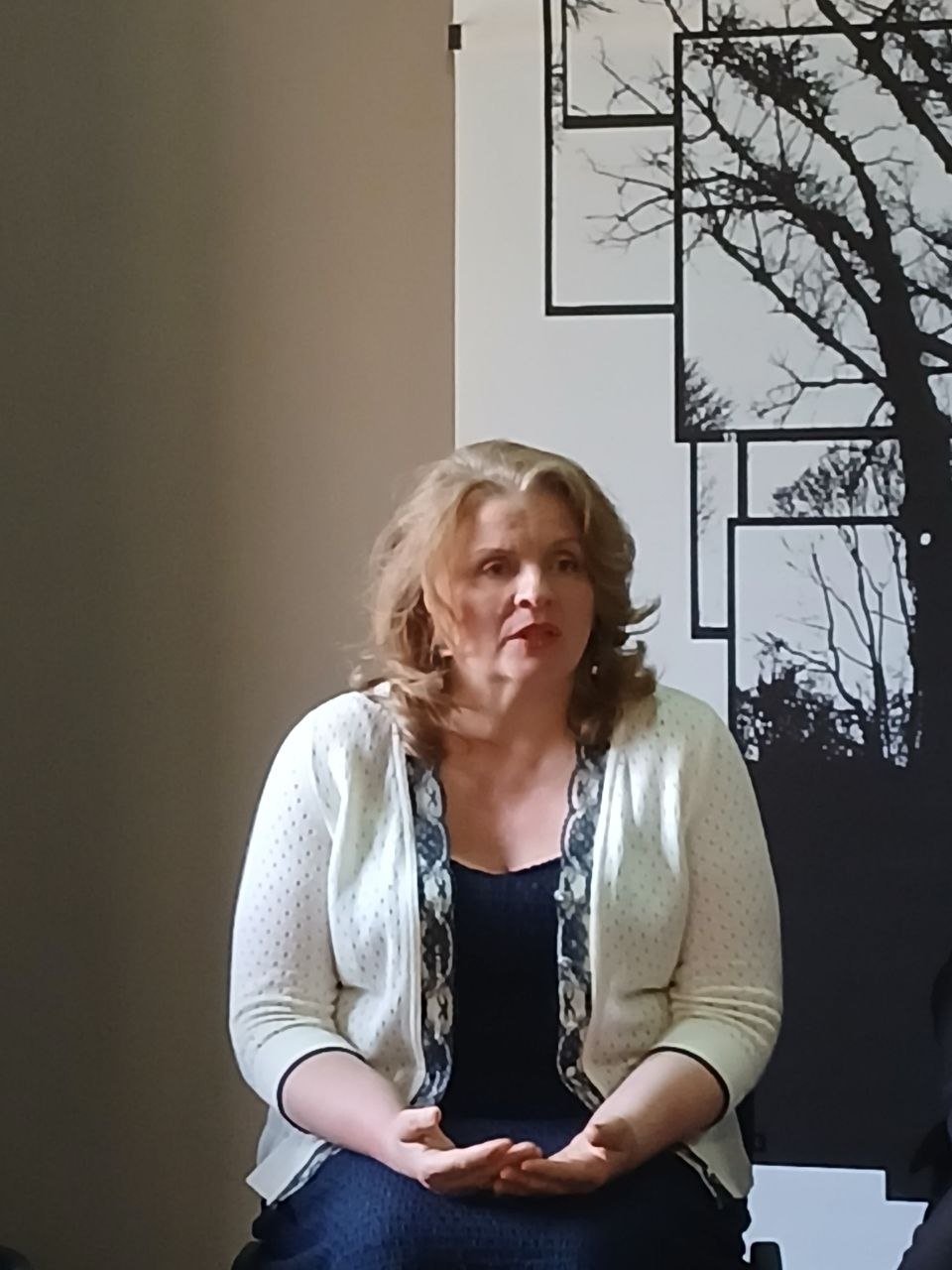
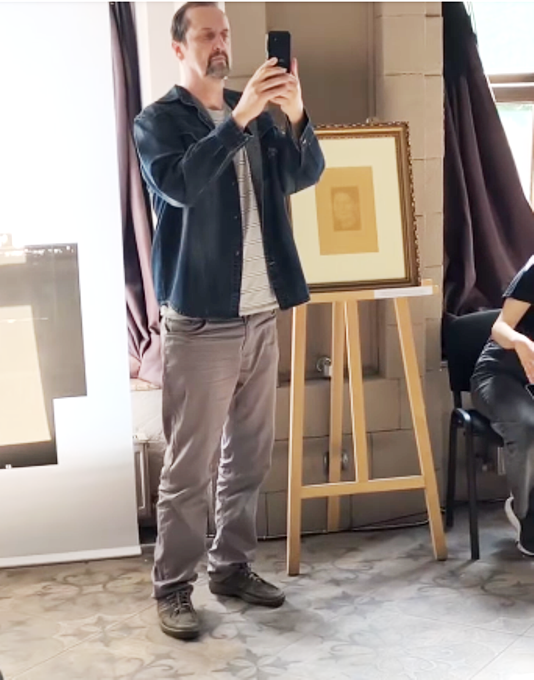
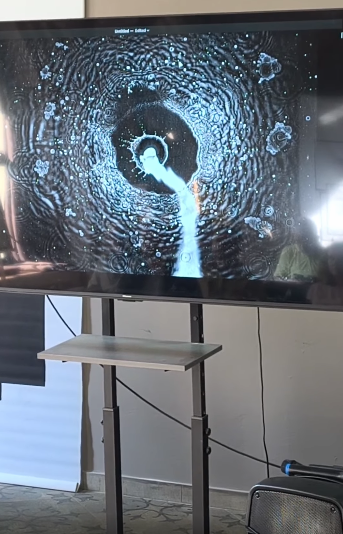
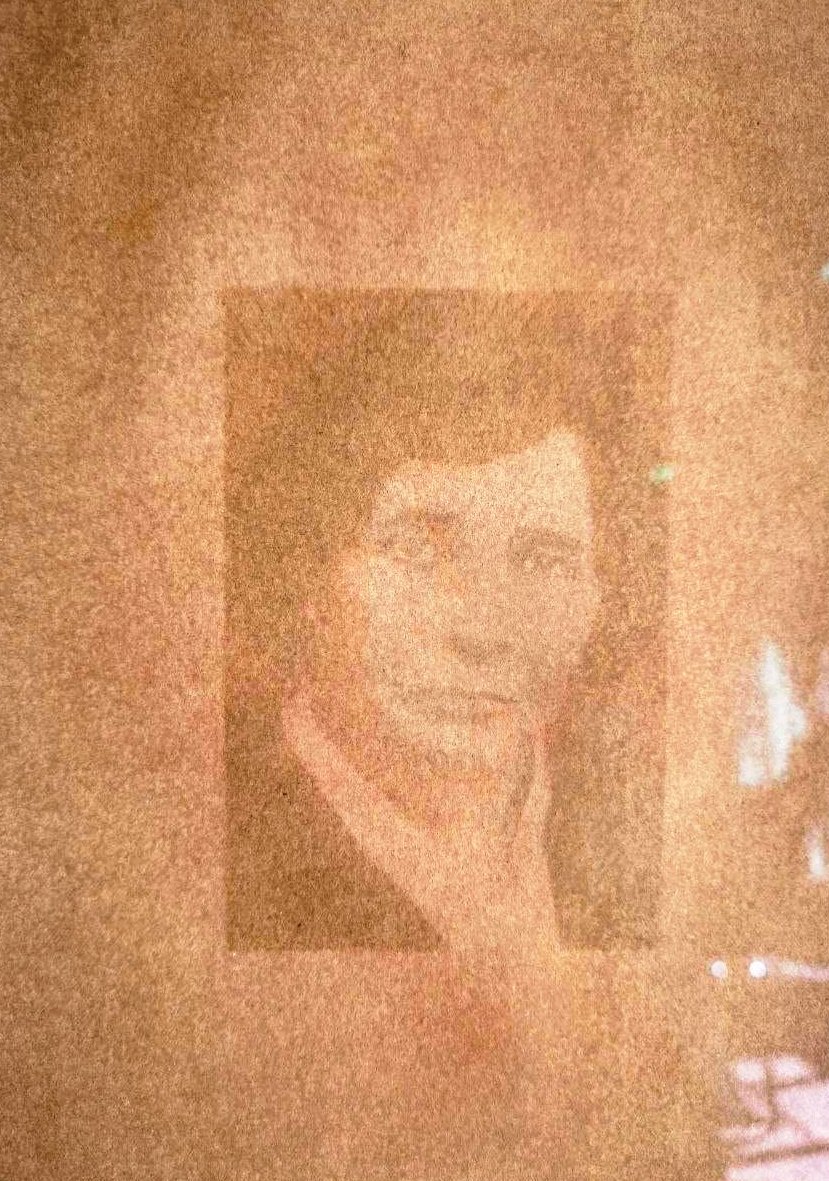
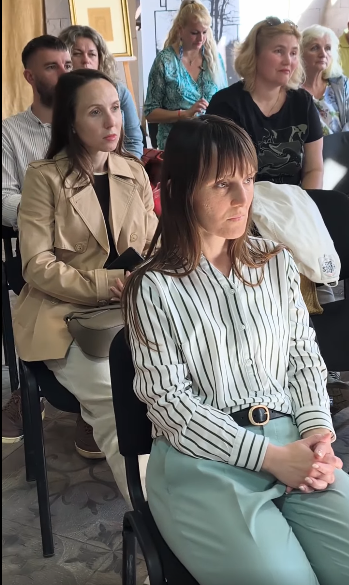
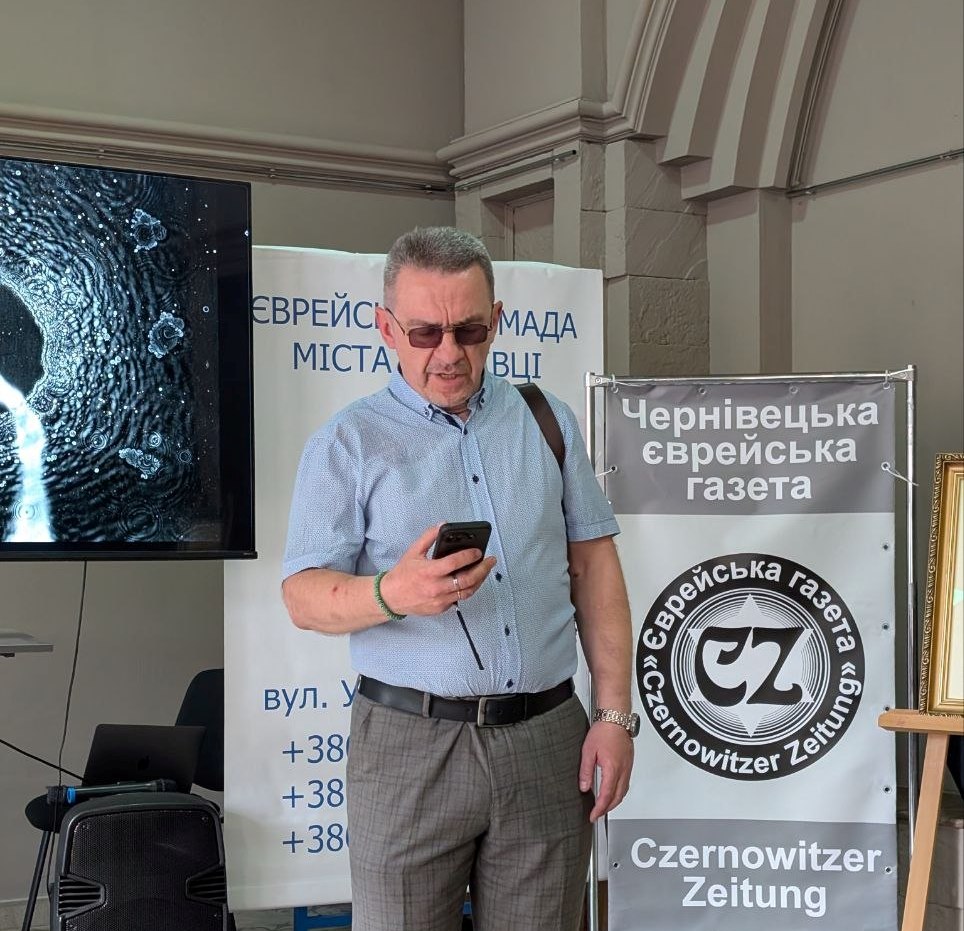
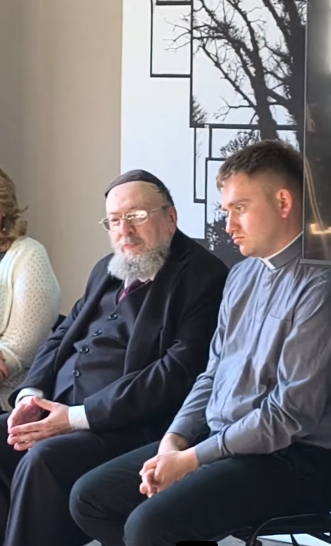
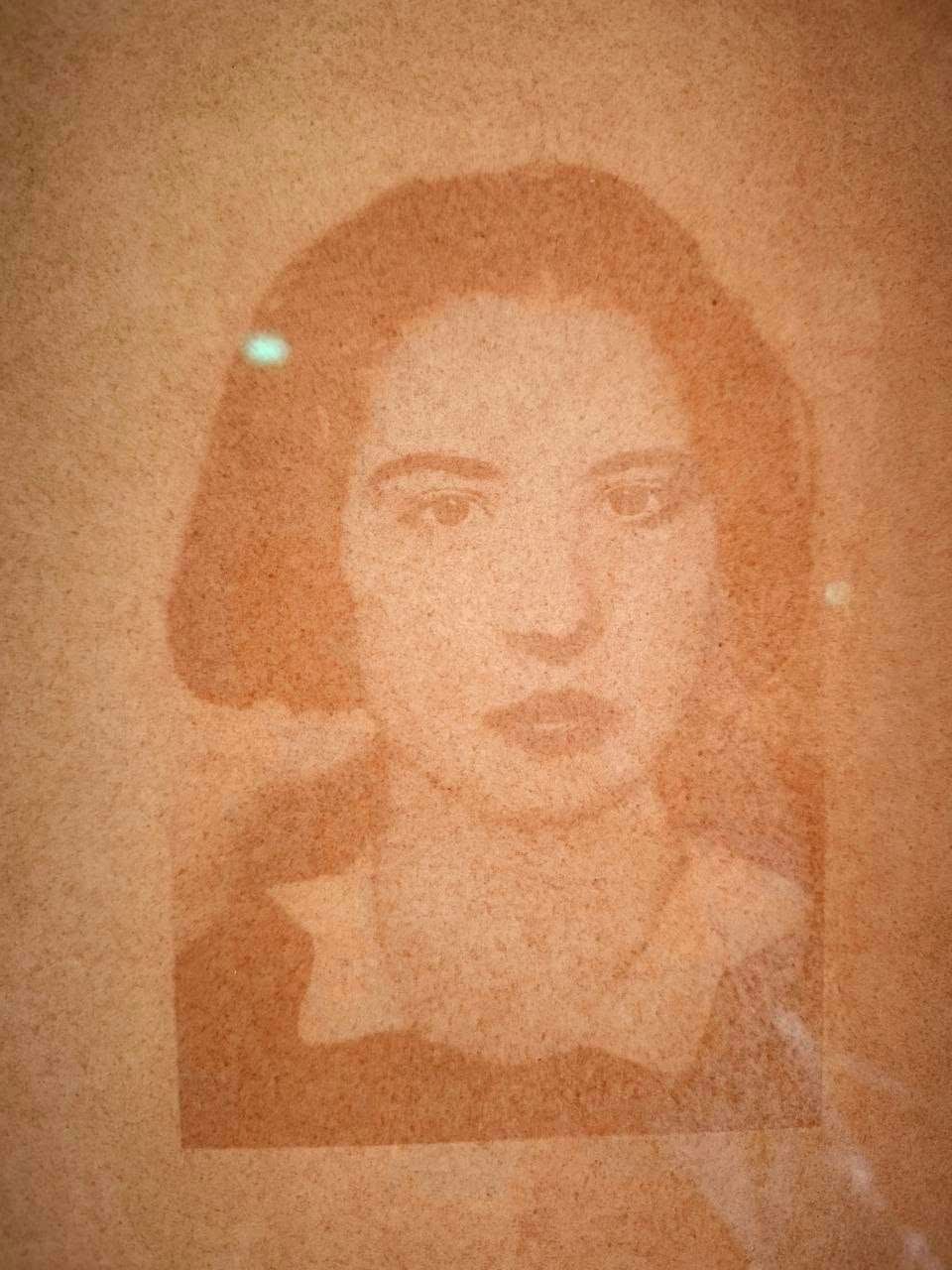
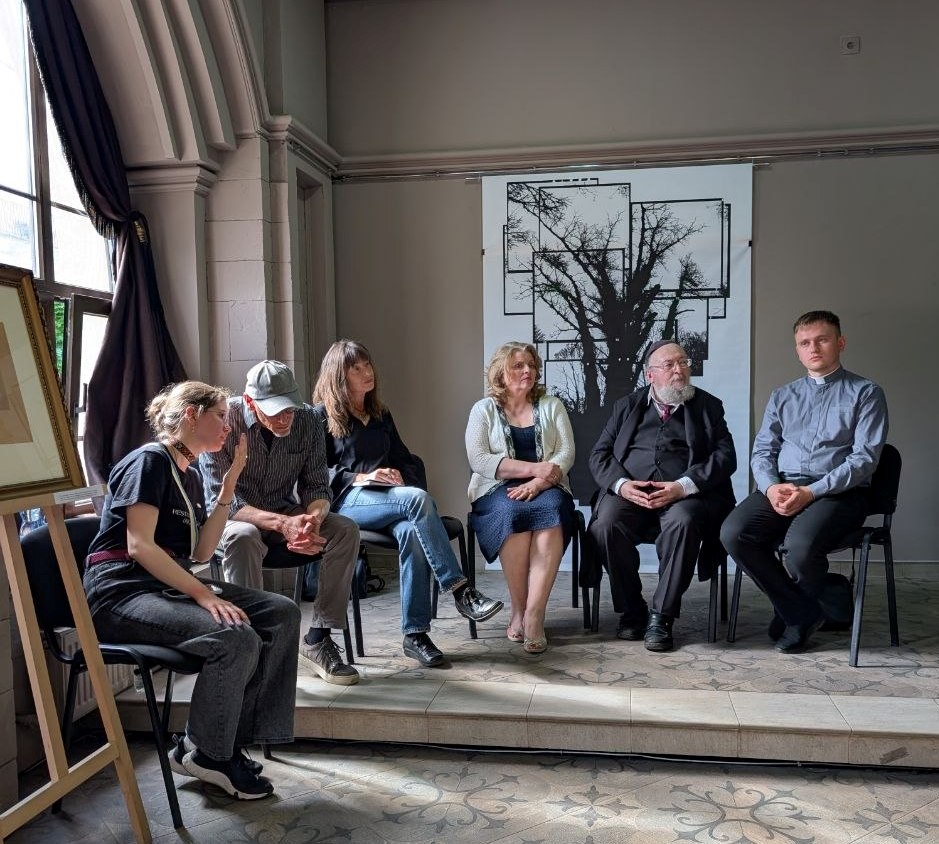
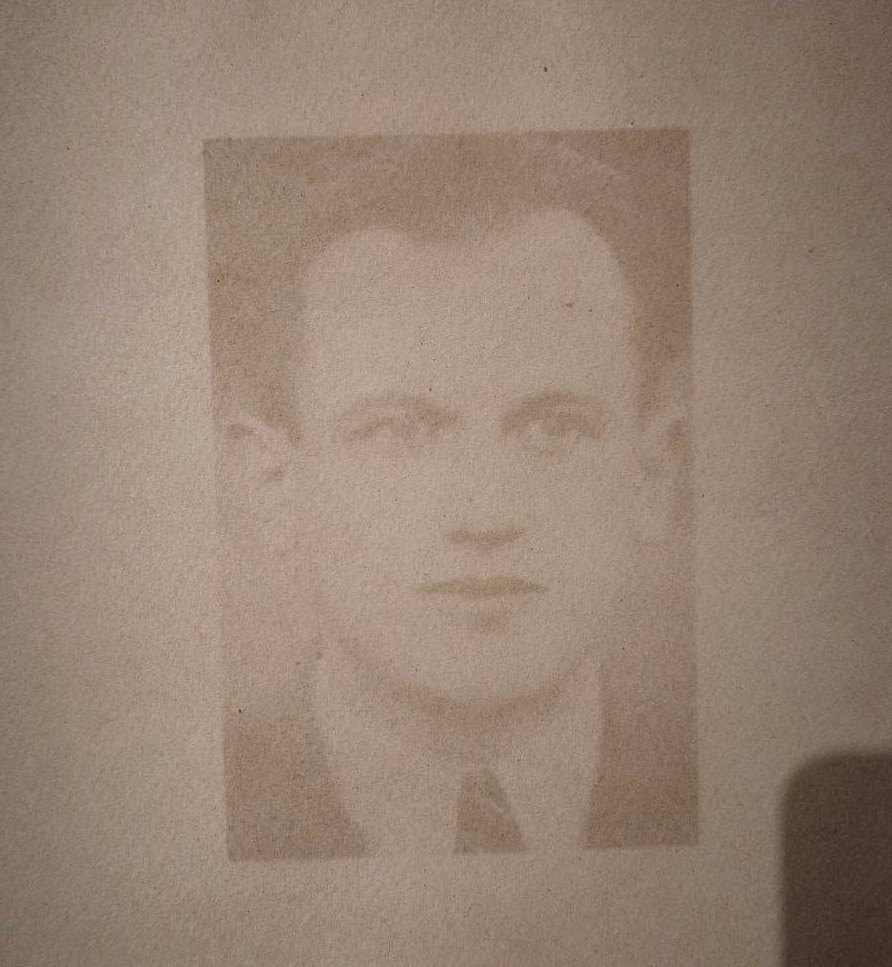
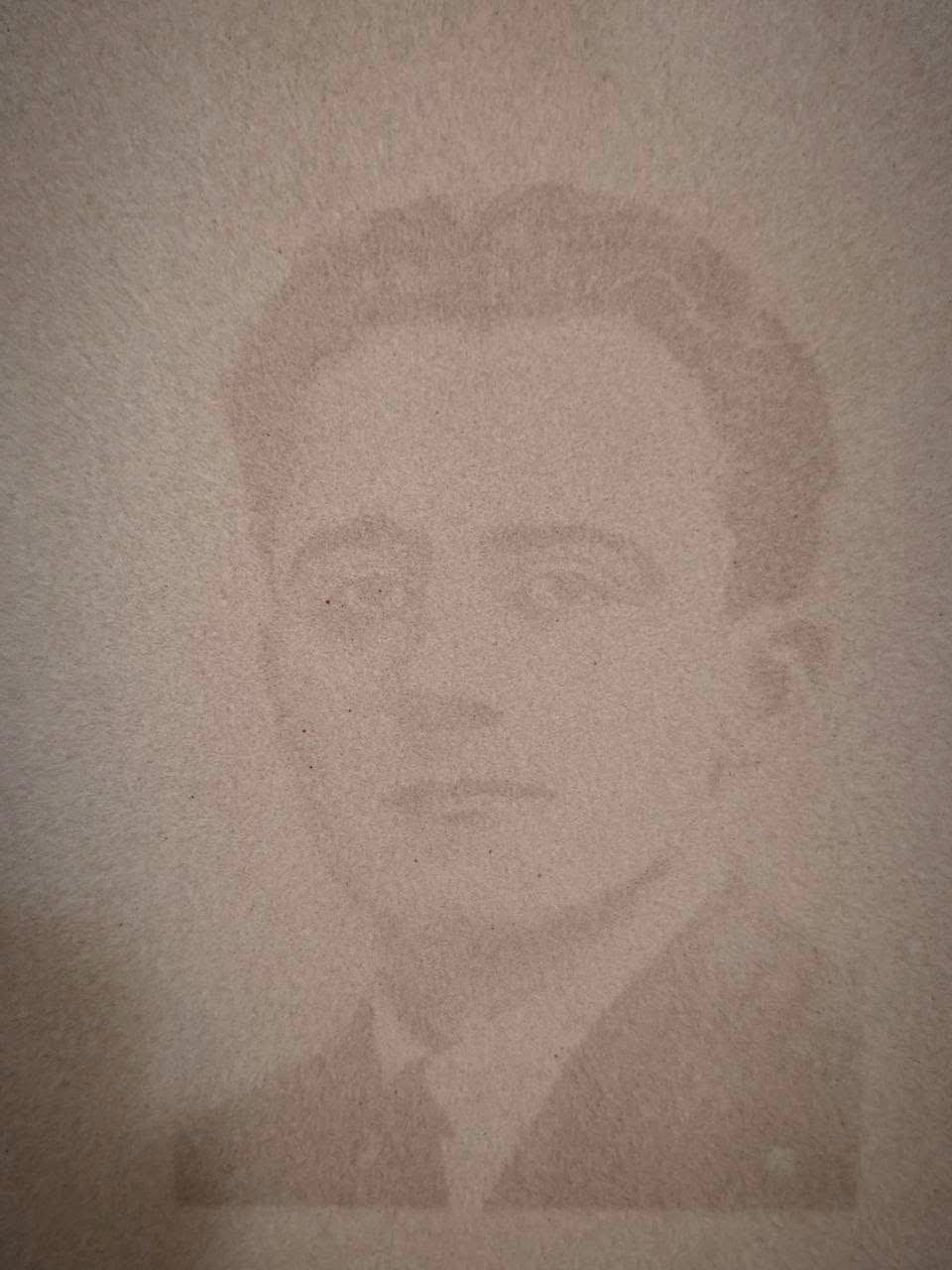
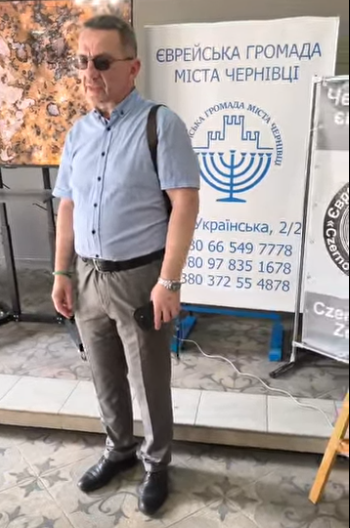
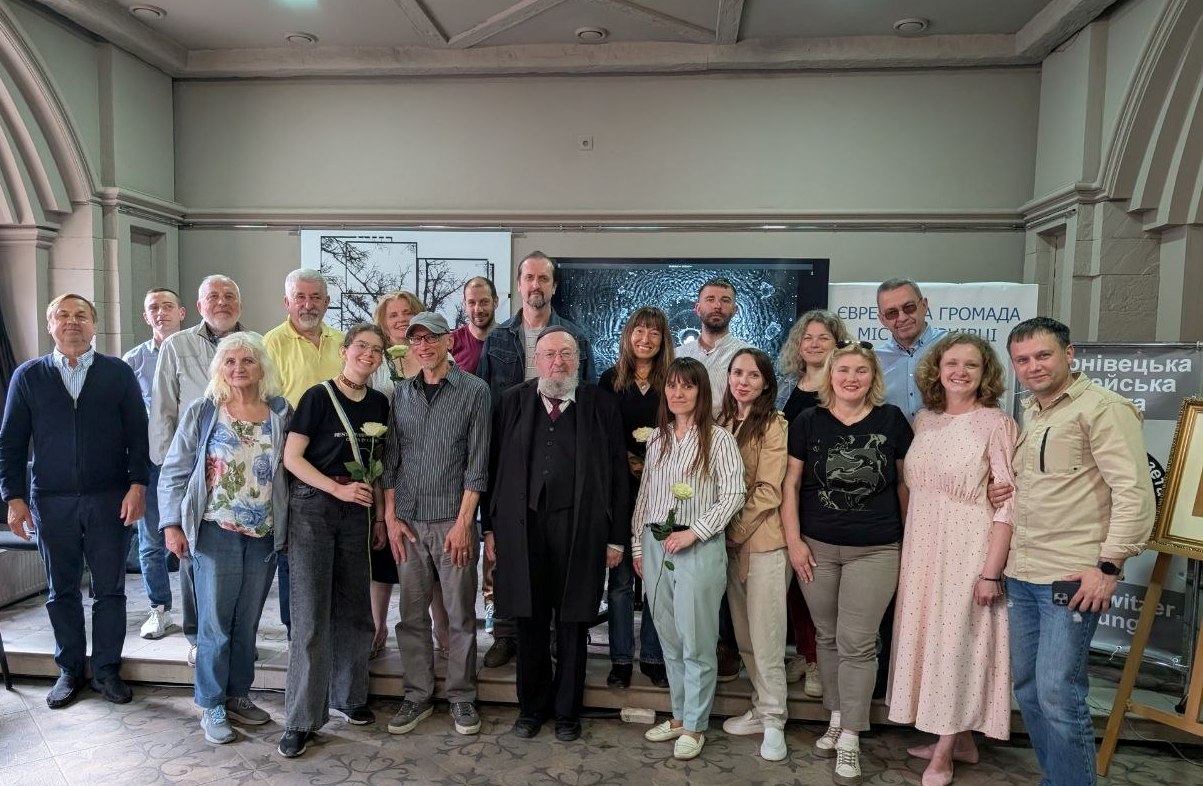
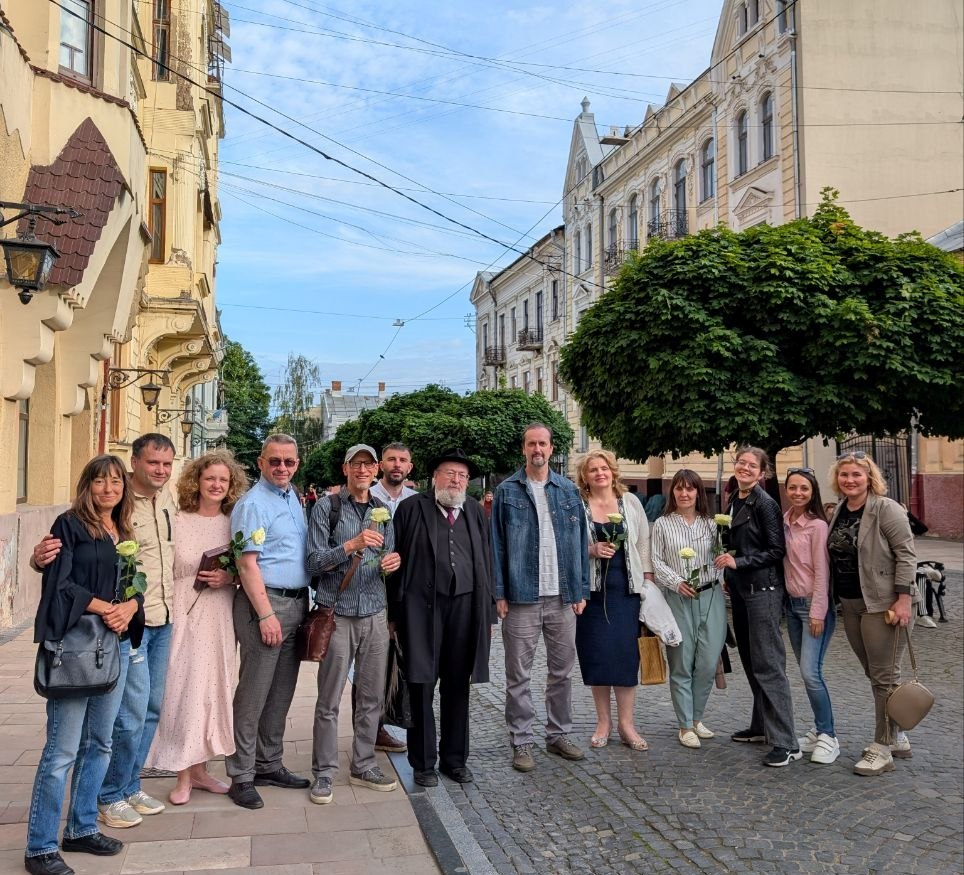
A new exhibition, Holocaust: The Landscape of Our Memory, has opened at the Vernissage Cultural Center in Chernivtsi, Ukraine. The international art project is dedicated to preserving the memory of victims of the so-called “Dispersed Holocaust” or “Holocaust by Bullets” — those who were murdered not in concentration camps, but in their hometowns, villages, and nearby execution sites.The exhibition features works by artists Gabriela Bulisova and Mark Isaac, who explore memory, loss, and remembrance through photography, natural materials, and contemporary artistic practices.The project sheds light on a lesser-known aspect of the Holocaust. While many people associate the Holocaust primarily with extermination camps such as Auschwitz, more than half of Jewish victims were murdered outside the camp system — in forests, ravines, fields, and on the outskirts of towns and villages. Alongside Jews, Ukrainians, Poles, Roma and Sinti people, persons with disabilities, and other persecuted groups also became victims of Nazi terror.“The Landscape of Our Memory” is a long-term artistic initiative that seeks to restore forgotten human stories and remind us of tragedies that unfolded within ordinary communities. The project draws inspiration from the words of Polish writer and historian Martin Pollack: “We must do everything possible to rescue the unknown victims lying in mass graves amid poisoned landscapes from oblivion and return to them their names, faces, and stories.”At the heart of the exhibition are portraits of Holocaust victims created using anthotype printing, one of the earliest photographic processes based on natural light-sensitive plant emulsions. To create these works, the artists collected flowers and plants from sites of mass killings. In this way, nature itself becomes a carrier of memory, preserving traces of lives violently cut short.Another section of the exhibition focuses on so-called “witness trees” — trees that have stood for decades above mass burial sites. Using a World War II-era analog camera, the artists created striking black-and-white images of these trees and complemented them with audio recordings capturing their internal biological processes. These installations suggest that even the natural world bears witness to historical trauma.The exhibition also presents “watergrams,” images capturing the movement of river water connected to burial sites, and lumen prints, a photographic technique that produces unique abstract forms representing the individuality of those who lost their lives during the Holocaust. Together, these works emphasize the profound relationship between memory, landscape, and the environment.During the opening ceremony, Bohdan Storoshuk, a lecturer at Yuriy Fedkovych Chernivtsi National University, spoke about the significance of such cultural initiatives for the city.“These events help preserve the historical spirit of Chernivtsi and are important for our city's history and identity. Remembering both what we are proud of and what must never be allowed to happen again is an essential part of who we are,” he said.One of the most moving moments of the evening came when Shapsa Averbukh, head of the Jewish Community of Chernivtsi, read excerpts from the diaries of Natan Getzler, a Chernivtsi Jew who survived the Holocaust. The diary entries described persecution, humiliation, mass killings, the loss of loved ones, and the daily struggle to survive under Nazi rule.The firsthand testimony left a deep impression on the audience. Many later admitted that the stories were so powerful and heartbreaking that they felt chilled by the horrors described in the survivor’s own words.Historian Iryna Yavorska also shared a deeply personal family story. She recalled hearing her mother speak throughout her childhood about “Rakhil’s roses,” which grew in their family garden. Only later did she learn the story behind them. Rakhil was a Jewish neighbor who had been deported to camps in Transnistria during World War II. Despite unimaginable hardships, she survived and eventually returned to her native Chernivtsi. The roses she left behind became a living symbol of memory, resilience, and survival.Stories such as these echo the exhibition’s central message: to restore not only historical recognition to Holocaust victims, but also their names, faces, and individual identities. Behind every statistic lies a human life, a family, and a story that deserves to be remembered.According to the organizers, the exhibition is not only about the past. It also invites reflection on contemporary challenges. The artists emphasize the growing scholarly recognition of the connection between genocide and ecocide, a relationship that has become particularly visible in Ukraine during the ongoing war. Their work suggests that violence against people and destruction of the natural environment often stem from the same devaluation of life.For the people of Chernivtsi, the exhibition offers an opportunity to reflect on difficult chapters of history while honoring those whose voices were silenced by violence but not erased from memory. At a time when the world continues to face war, hatred, and attempts to distort historical truth, projects like this remind us of the importance of empathy, remembrance, and human dignity.The exhibition was organized by the NGO Obnova, the Vernissage Cultural Center, and the Jewish Community of Chernivtsi. Media support was provided by Czernowitzer Zeitung, the Jewish newspaper of Chernivtsi, which has long promoted historical memory, cultural dialogue, and Jewish heritage in Bukovina.Mykhailo Krasovskyi, Czernowitzer Zeitung (Chernivtsi Jewish Newspaper)